

Manuel S. Enverga University Foundation (MSEUF) supported emerging low-carbon innovations through the Enverga Innovation Challenge held on May 22, 2025, providing student innovators with a platform to present entrepreneurial concepts that promote renewable energy, alternative fuel technologies, and resource efficiency.
The challenge featured student-led innovations designed to address energy-related challenges while exploring opportunities for sustainable entrepreneurship. Among the participating teams were KLEOXM 111, which introduced a solar-powered charging solution, and AGNIBUILD BIOENERGY, which presented a portable stove concept that uses agricultural residues as an alternative fuel.
Through the initiative, the University encouraged students to translate technical knowledge into practical concepts with potential applications in communities and emerging low-carbon enterprises.
Solar-powered charging innovation by KLEOXM 111
KLEOXM 111 presented a solar-powered piso charging station integrated with a charging station finder application. The proposed technology aims to provide an alternative charging solution powered by solar energy, particularly for communities with limited access to reliable electricity.
The project combines renewable-energy technology with a digital platform that would allow users to locate available charging stations. Its proposed business model explores how solar-powered charging services could create entrepreneurial opportunities while improving community access to energy-related services.
As part of the Enverga Innovation Challenge, KLEOXM 111 had the opportunity to present its concept within the University's innovation environment, demonstrating the potential application of renewable-energy technology in an emerging enterprise.
 |
 |
Agricultural waste-to-energy innovation by AGNIBUILD BIOENERGY
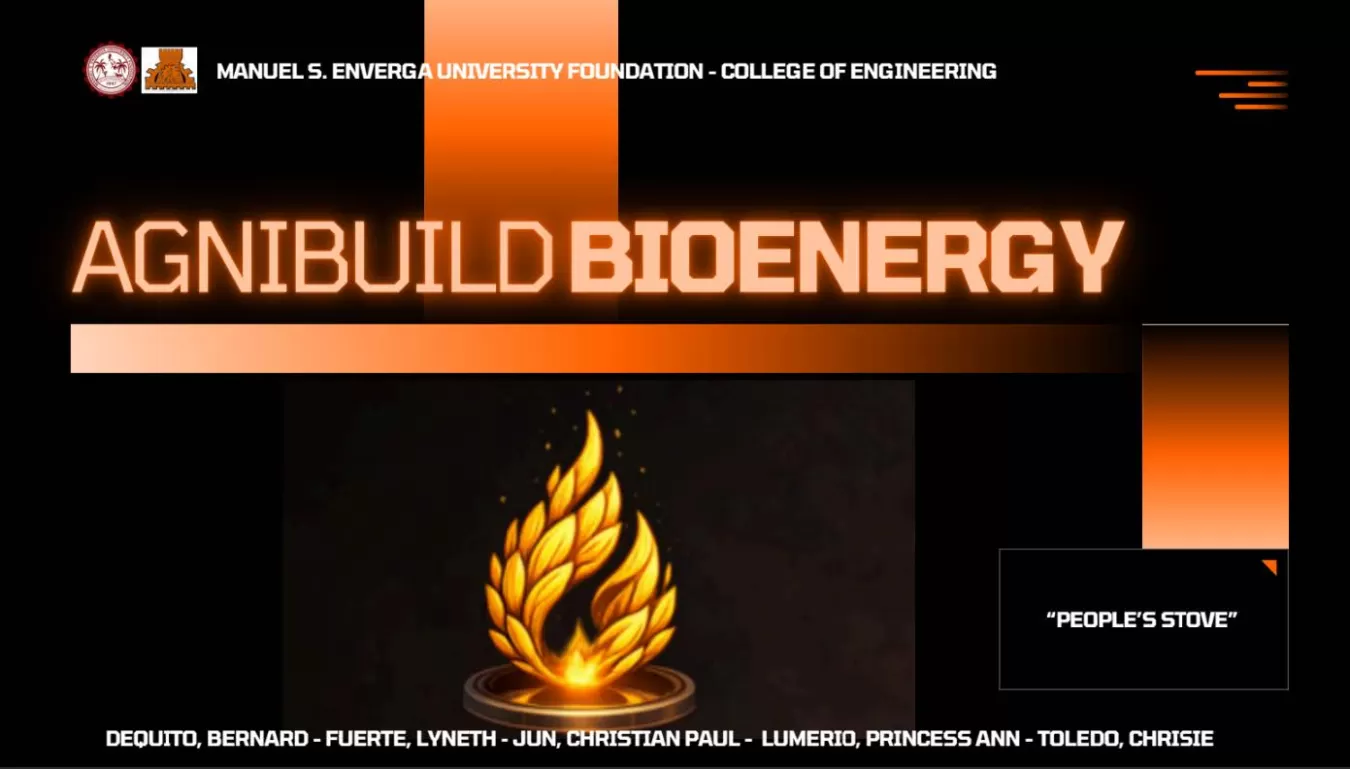
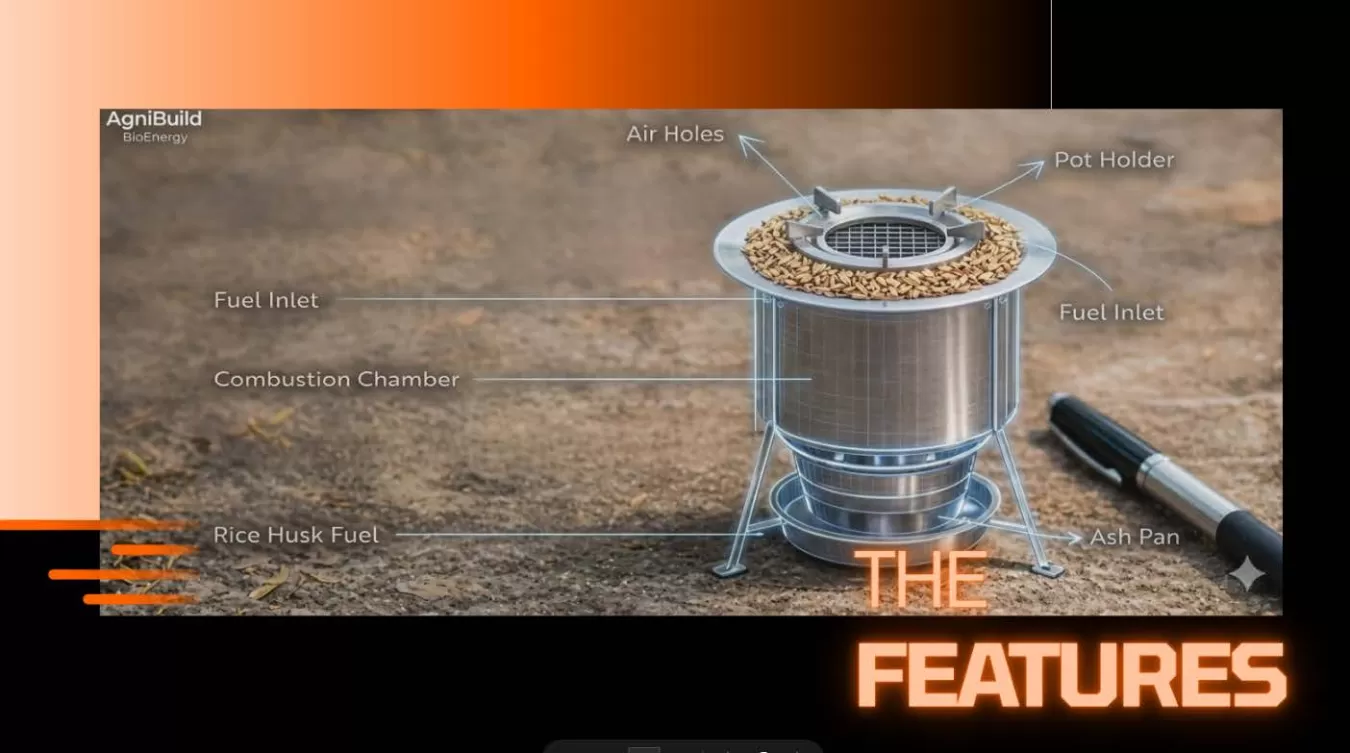
AGNIBUILD BIOENERGY introduced KALAN DE IPA (People's Stove), a portable cooking stove concept designed to use rice husks as an alternative fuel source.
The innovation explores the productive use of agricultural residues for cooking applications. By considering rice husks as an energy resource, the project presents a potential alternative to conventional portable cooking fuel systems while encouraging more productive use of locally available agricultural by-products.
The concept also highlights opportunities for entrepreneurship in alternative-energy products and resource recovery. Its presentation during the Enverga Innovation Challenge provided the team with a platform to introduce its proposed technology and demonstrate its potential applications.
 |
 |
University assistance for low-carbon entrepreneurship
Through the Enverga Innovation Challenge, MSEUF provided an institutional platform for students to present technology-based entrepreneurial concepts related to renewable energy, alternative fuels, and sustainable resource use.
The participation of KLEOXM 111 and AGNIBUILD BIOENERGY illustrated how the University encouraged students to explore potential enterprise solutions to energy and environmental challenges.
The initiative connected innovation, practical learning, and entrepreneurial thinking by giving student teams an opportunity to showcase proposed technologies with potential community applications.
Advancing sustainable entrepreneurship and clean-energy innovation
The Enverga Innovation Challenge demonstrated MSEUF's commitment to encouraging student innovation and entrepreneurial thinking in fields relevant to sustainable energy development.
By providing opportunities for students to present renewable-energy and alternative-fuel concepts, the University supported learning experiences that connect academic knowledge with practical community challenges.
These efforts align with SDG 7: Affordable and Clean Energy, particularly the advancement of clean-energy technologies and sustainable energy solutions. They also support SDG 9: Industry, Innovation and Infrastructure by encouraging technology-based innovation and SDG 12: Responsible Consumption and Production through the exploration of agricultural resource recovery.
The initiative reflects MSEUF's commitment to excellence, service, and transformative learning as it develops future professionals and innovators capable of contributing to sustainable development.