

Manuel S. Enverga University Foundation (MSEUF) strengthened its engagement in sustainable facilities management and energy efficiency in 2025 through participation in professional discussions involving legislative development and the conduct of a university-wide energy audit.
These activities supported the University's efforts to improve energy performance, apply national energy-efficiency requirements, and engage with stakeholders involved in developing policies for sustainable infrastructure and facilities management.
MSEUF engages in professional discussions related to legislative development
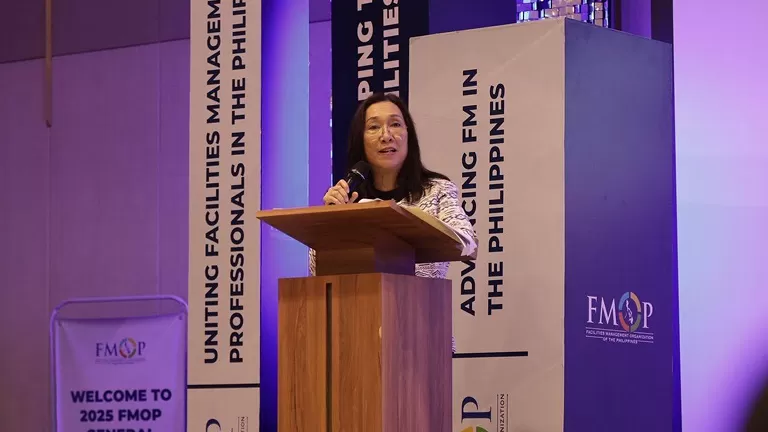
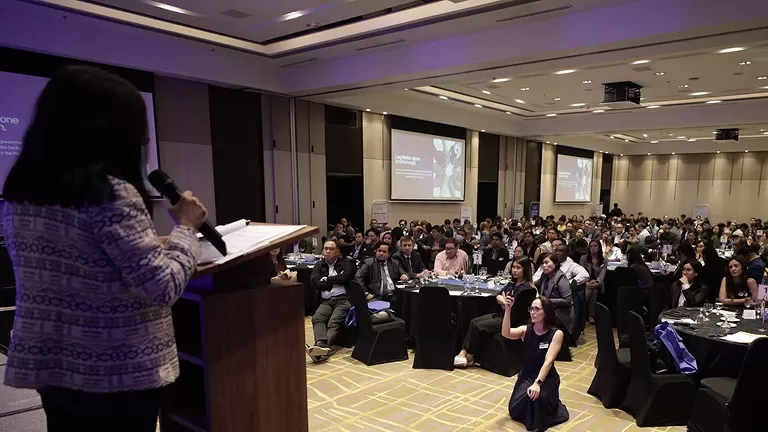
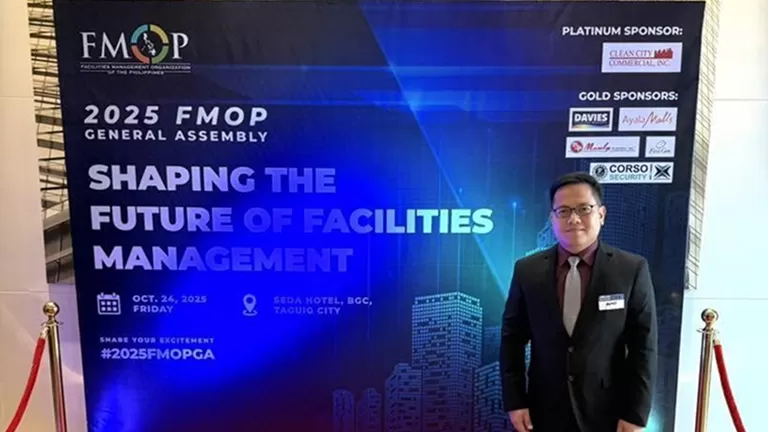
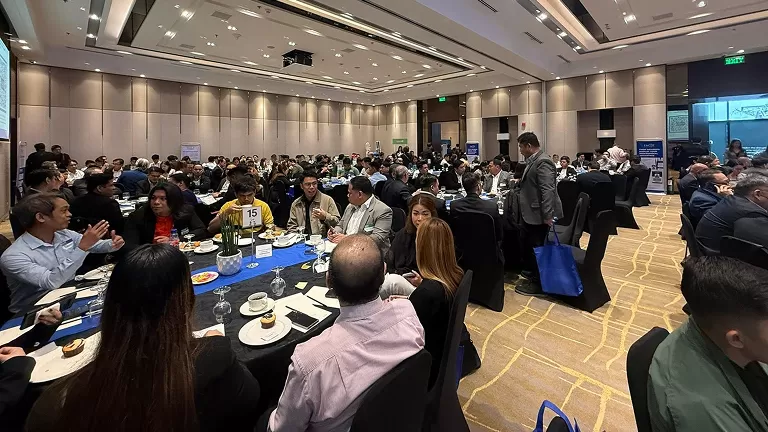
MSEUF participated in the 2025 General Assembly of the Facilities Management Organization of the Philippines (FMOP) on Oct. 24, 2025, at Seda Hotel in Bonifacio Global City, Taguig City. The University also formally joined FMOP as a corporate member, strengthening its connections with facilities management professionals and industry stakeholders.
Engr. Ariel Nicolas, director of the University's General Services Department (GSD), represented MSEUF at the assembly, which brought together professionals to discuss the development and professionalization of facilities management in the Philippines.
The event included discussions involving Rep. Cristy Angeles of Tarlac's 2nd District and facilities management stakeholders concerning a proposed legislative initiative for the profession.
The discussions addressed matters relevant to building operations, professional standards, resource management, operational efficiency, and sustainability.
 |
 |
 |
Connecting facilities management with energy-efficiency policy
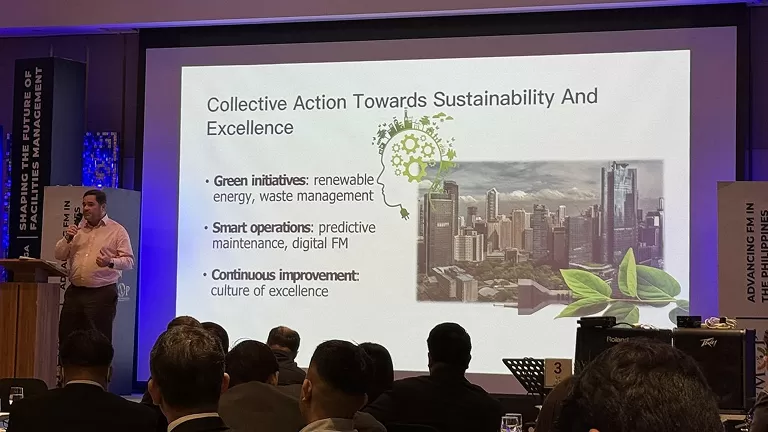
The FMOP General Assembly also featured discussions on sustainability in facilities operations, including renewable energy initiatives, waste management, predictive maintenance, and digital facilities management.
These topics highlighted the importance of incorporating energy-efficient technologies and environmentally responsible practices into the management and operation of buildings.
For MSEUF, participation in these discussions complemented its ongoing efforts to improve the energy performance of university facilities and explore appropriate technologies for more sustainable building operations.
The University's corporate membership in FMOP also provided opportunities for continued professional exchange and participation in future discussions concerning facilities management standards and practices.
 |
 |
University-wide energy audit strengthens implementation of national energy-efficiency requirements
MSEUF conducted a university-wide Level I Energy Audit on Feb. 7, 2025, in support of Republic Act No. 11285, or the Energy Efficiency and Conservation Act.
The University engaged PEP-G Electrical, a Department of Energy (DOE)-accredited Energy Service Company, to assess energy consumption and identify opportunities to improve energy performance across university facilities.
A DOE-certified Energy Auditor signed the resulting technical report, which examined energy consumption data, usage patterns, equipment conditions, existing building systems, and potential energy conservation measures.
The assessment established a technical basis for identifying energy-saving opportunities, evaluating equipment performance, and planning improvements to building operations.
Technical findings guide institutional energy management
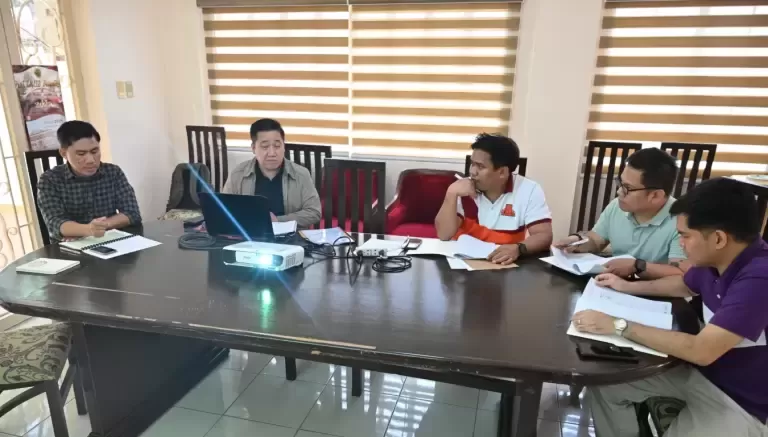
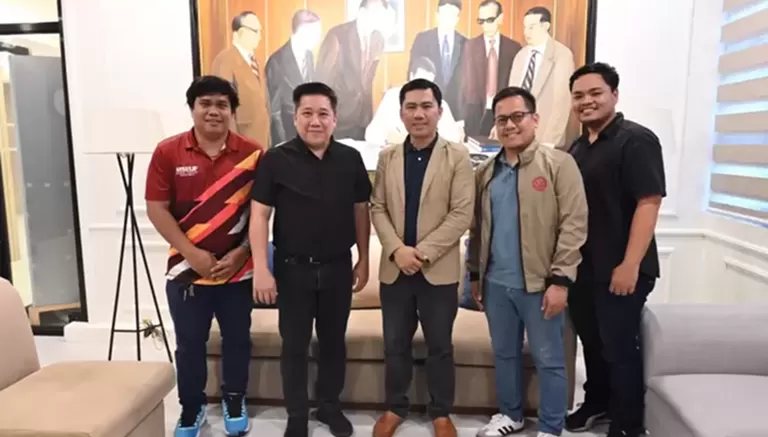
University officials reviewed the audit findings during a close-out meeting on March 27, 2025.
The meeting included Vice President for Administration Atty. Dario Opistan, Vice President for Finance Carlito Rodriguez, General Services Department Director Engr. Ariel Nicolas, and Engr. Mark Nel Inojosa.
During the meeting, participants discussed the assessment findings and recommendations for a subsequent Level II Energy Audit to allow more detailed evaluation of energy performance and potential conservation measures.
The technical report provided MSEUF with documented information to guide decisions concerning energy-efficient equipment, building systems, and operational improvements.
The University's preparation and submission of required energy-management documentation to the appropriate government authority also supported its compliance with applicable energy-efficiency requirements.
 |
 |
Connecting technical assessments with broader energy policy objectives
The energy audit demonstrated how MSEUF translated existing national energy-efficiency requirements into institutional management practices.
By collecting energy consumption data, examining building systems, and identifying conservation opportunities, the University developed technical information relevant to its own planning and implementation of energy-efficient operations.
These institutional experiences may provide useful practical insights for future government consultations on energy-efficiency standards, building performance, and energy-management technologies.
However, the audit primarily documents compliance with existing legislation. The available records do not establish that government policymakers used the findings to develop or revise clean-energy policies.
Advancing collaboration for sustainable energy management
MSEUF's participation in the FMOP General Assembly and implementation of the Level I Energy Audit reflect complementary efforts to strengthen sustainable facilities management.
The FMOP engagement connected the University with professional stakeholders involved in discussions about proposed legislative frameworks, while the energy audit provided an evidence-based approach to institutional energy conservation and operational improvements.
Together, these activities strengthened MSEUF's technical capacity, professional networks, and readiness to participate in future government initiatives concerning energy-efficient technologies and sustainable building operations.
The initiatives contribute to Sustainable Development Goal 7, particularly Target 7.3, which seeks to improve energy efficiency, and are relevant to Target 7.A's emphasis on cooperation concerning clean-energy technology.
Through responsible energy management and professional engagement, MSEUF continues to advance its commitment to institutional excellence, sustainability, and the application of knowledge toward national development.