

Manuel S. Enverga University Foundation MSEUF strengthened its energy wastage identification efforts through a university-wide energy audit, equipment-efficiency inventories, and energy consumption monitoring to identify potential sources of inefficient energy use and guide improvements across campus facilities.
Through the General Services Department (GSD), the University continued to assess energy-consuming equipment and evaluate opportunities for reducing unnecessary electricity consumption as part of its institutional sustainability initiatives.
University-wide energy audit examines potential sources of energy wastage
On Feb. 7, 2025, MSEUF conducted a university-wide Level I Energy Audit in accordance with Republic Act No. 11285, or the Energy Efficiency and Conservation Act.
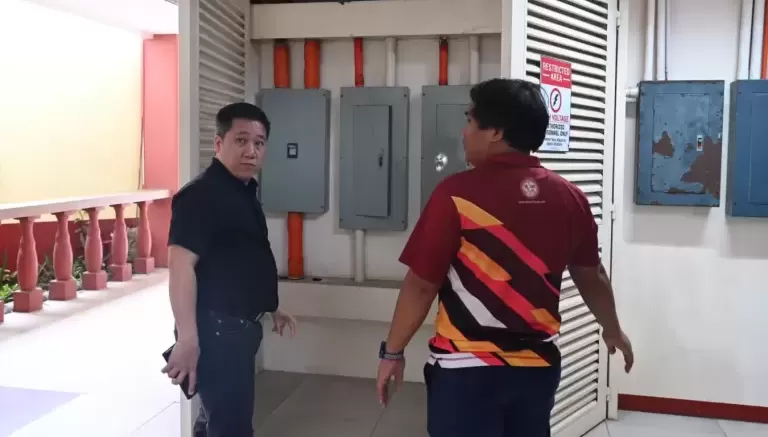 |
The University engaged PEP-G Electrical, a Department of Energy-accredited Energy Service Company, to conduct the assessment. A DOE-certified Energy Auditor signed the resulting formal Energy Audit Report.
The audit examined facility energy consumption data, usage profiles, electricity consumption breakdowns, operating efficiency of existing systems, and equipment conditions. It also identified opportunities for improved energy management, including estimated potential savings.
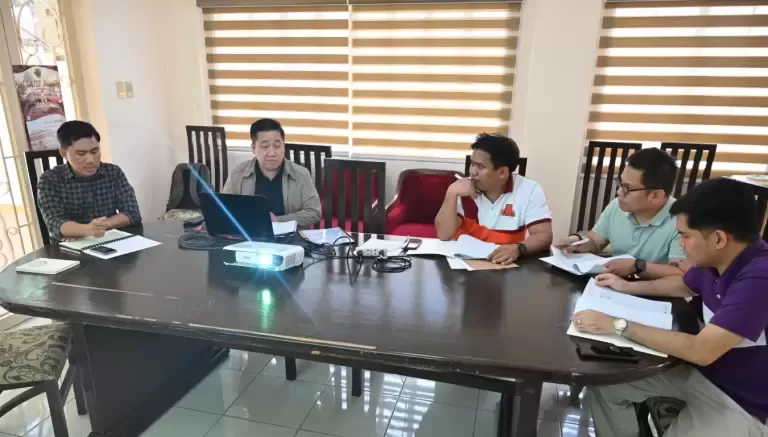
On March 27, 2025, University officials and technical personnel reviewed the audit findings during a close-out meeting. The participants discussed recommendations for a possible Level II Energy Audit to support more detailed assessments and targeted energy-saving strategies.
 |
The University also reported continuing energy audits and developing energy-consumption reduction proposals in its 2025 sustainability accomplishments, reinforcing the role of technical assessments in identifying opportunities for improved energy performance.
Equipment inventory identifies categories requiring further efficiency improvements
MSEUF's 2025 equipment inventory provided additional information for assessing the energy-efficiency status of major campus equipment, particularly lighting, air-conditioning systems, and audiovisual equipment.
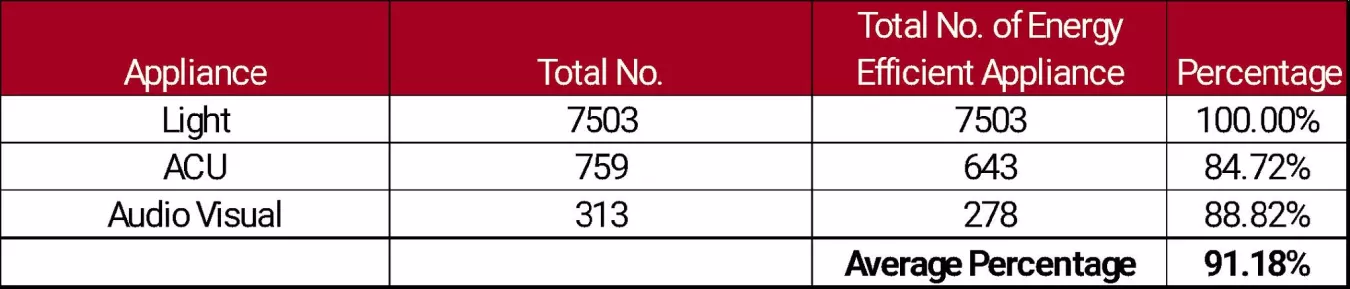
The inventory identified air-conditioning systems as the category with the largest number of units not classified as energy-efficient among the three equipment groups assessed.
Of the 759 air-conditioning units inventoried, 643 units, or 84.72%, were classified as energy-efficient, leaving 116 units, or 15.28%, with opportunities for further equipment-efficiency improvements.
Audiovisual equipment presented another area for improvement. Of the 313 units inventoried, 278 units, or 88.82%, were classified as energy-efficient, while 35 units, or 11.18%, were not classified as energy-efficient.
The University's lighting inventory recorded that all 7,503 lighting fixtures had been converted to energy-efficient LED technology by the first half of 2025, achieving 100% LED conversion.
These inventory results identified equipment categories requiring continued attention and provided information to support future equipment upgrades, procurement decisions, and improvements in energy utilization.
Although the inventory indicates where non-energy-efficient equipment remains, it does not independently establish the actual electricity wasted by each equipment category.
 |
Energy reviews inform equipment improvements and consumption-reduction priorities
Following the University's 2024 Sustainability Policy review, MSEUF incorporated energy-efficiency improvements into the GSD Operational Plan for implementation in 2025.
The plan prioritized replacing conventional lighting fixtures with LED technology, a target completed during the first half of 2025. The completion of this initiative addressed the University's remaining inventoried conventional lighting fixtures and established LED technology as the standard across its recorded lighting inventory.
MSEUF also implemented a joint directive through the GSD and Procurement Office to prioritize the purchase of energy-efficient equipment.
These measures complemented the University's energy audits, equipment inventories, and energy consumption monitoring by providing operational approaches for addressing identified and potential sources of inefficient energy use.
The University also continued energy-management initiatives under the guidance of its appointed University Certified Energy Manager, supporting ongoing assessment and improvement of campus energy performance.
Together, these initiatives provided a basis for prioritizing corrective measures, improving equipment utilization, and developing targeted interventions to reduce unnecessary energy consumption.
2025 Accomplishments and Projects
- 100% Conversion of Existing Lighting Fixtures to LED Technology – Completed the conversion of all existing lighting fixtures to energy-efficient LED lighting across the University.
- CIHTM Interior Renovation and Smart Building Features – Undertook interior renovation works incorporating smart building features to support improved building functionality and operational efficiency.
- Gym Executive Lounge and Comfort Room Renovation – Implemented renovation and improvement works to enhance facility functionality and usability.
- HRM Coffee Shop Interior Renovation – Carried out interior renovation works to improve the facility and its operational environment.
- Continuing Energy Audits and Energy-Consumption Reduction Initiatives – Continued energy audit activities and the development of proposals to identify opportunities for reducing energy consumption and improving energy efficiency.
- University Certified Energy Manager Guidelines – Continued the implementation of energy-management initiatives guided by the appointed University Certified Energy Manager to support the University’s energy-efficiency objectives.
By integrating energy audits, equipment assessments, consumption monitoring, and operational planning, MSEUF strengthened its approach to identifying potential energy wastage and evaluating opportunities for improved energy performance.
These initiatives support Sustainable Development Goal 7, particularly Target 7.3, which seeks improvements in energy efficiency. They also reflect the University's commitment to responsible resource management, operational excellence, and sustainable campus development.