

Manuel S. Enverga University Foundation MSEUF advanced its institutional energy efficiency plan through the implementation of energy-efficient lighting upgrades, equipment procurement measures, and operational conservation practices aimed at reducing unnecessary electricity consumption across campus facilities.
Under its Sustainability Policy and the General Services Department's (GSD) Operational Plan, the University prioritized energy consumption reduction through coordinated planning, equipment improvements, and resource management. These measures formed part of MSEUF's continuing efforts to improve energy efficiency while supporting the responsible use of institutional resources.
The University implemented its energy management initiatives through the GSD, in coordination with the Procurement Office, Technical Working Group (TWG), and designated Certified Energy Manager.
Energy efficiency planning and implementation
MSEUF identified the reduction of energy consumption as a priority in its institutional sustainability framework and translated this commitment into measures under the GSD's 2025 Operational Plan.
The plan prioritized the conversion of conventional lighting fixtures to energy-efficient light-emitting diode (LED) technology. The University also implemented a joint directive through the GSD and Procurement Office to prioritize energy-efficient equipment purchases.
During the first half of 2025, MSEUF completed the conversion of all 7,503 inventoried lighting fixtures to LED technology, achieving 100% LED coverage within its recorded lighting inventory. The accomplishment fulfilled a priority under the GSD's Operational Plan and strengthened the energy efficiency of campus lighting systems.
The University also assessed the efficiency of its existing air-conditioning units and audiovisual equipment to guide equipment management and procurement decisions.
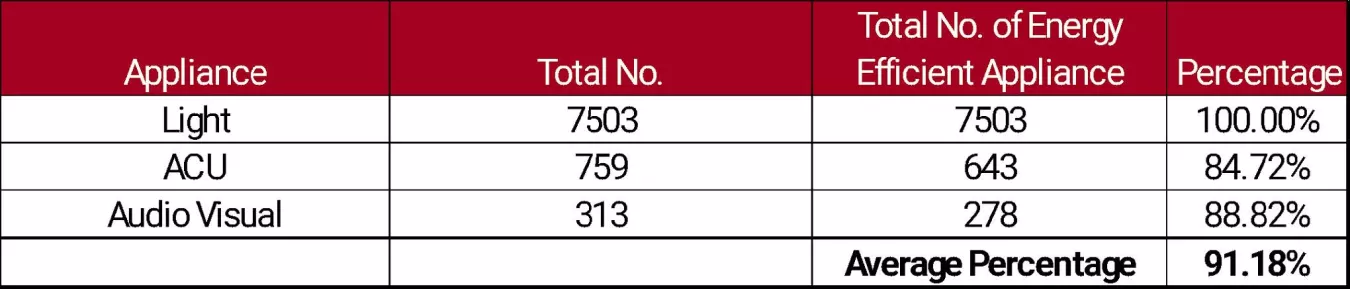 |
Across these equipment categories, the University reported an average energy efficiency classification of 91.18%, calculated as the average of the three category percentages.
The inventory provides a basis for identifying opportunities to improve equipment efficiency, prioritize replacements, and support future procurement decisions.
Together, these measures demonstrate how MSEUF incorporated energy consumption reduction into its 2025 operational priorities through defined infrastructure improvements and equipment management practices.
Operational measures to conserve electricity
MSEUF further supported its energy consumption reduction initiatives through operational adjustments intended to minimize unnecessary electricity use in administrative facilities.
From May 2 to June 30, 2025, the University implemented shortened office hours, adjusting administrative operations to 8 a.m. to 4 p.m.
The initiative aimed to support energy conservation while promoting employee well-being. By adjusting administrative schedules, MSEUF sought to reduce electricity demand associated with routine operations, including lighting, air-conditioning, and other electrical equipment.
The measure complemented the University's energy-efficient equipment improvements by addressing energy use through daily administrative practices.
Through this initiative, MSEUF demonstrated its efforts to integrate energy conservation into institutional operations alongside planned equipment improvements.
Monitoring, evaluation, and continuous improvement
MSEUF integrated monitoring and evaluation into its institutional approach to energy efficiency through annual Sustainability Policy reviews and departmental operational planning.
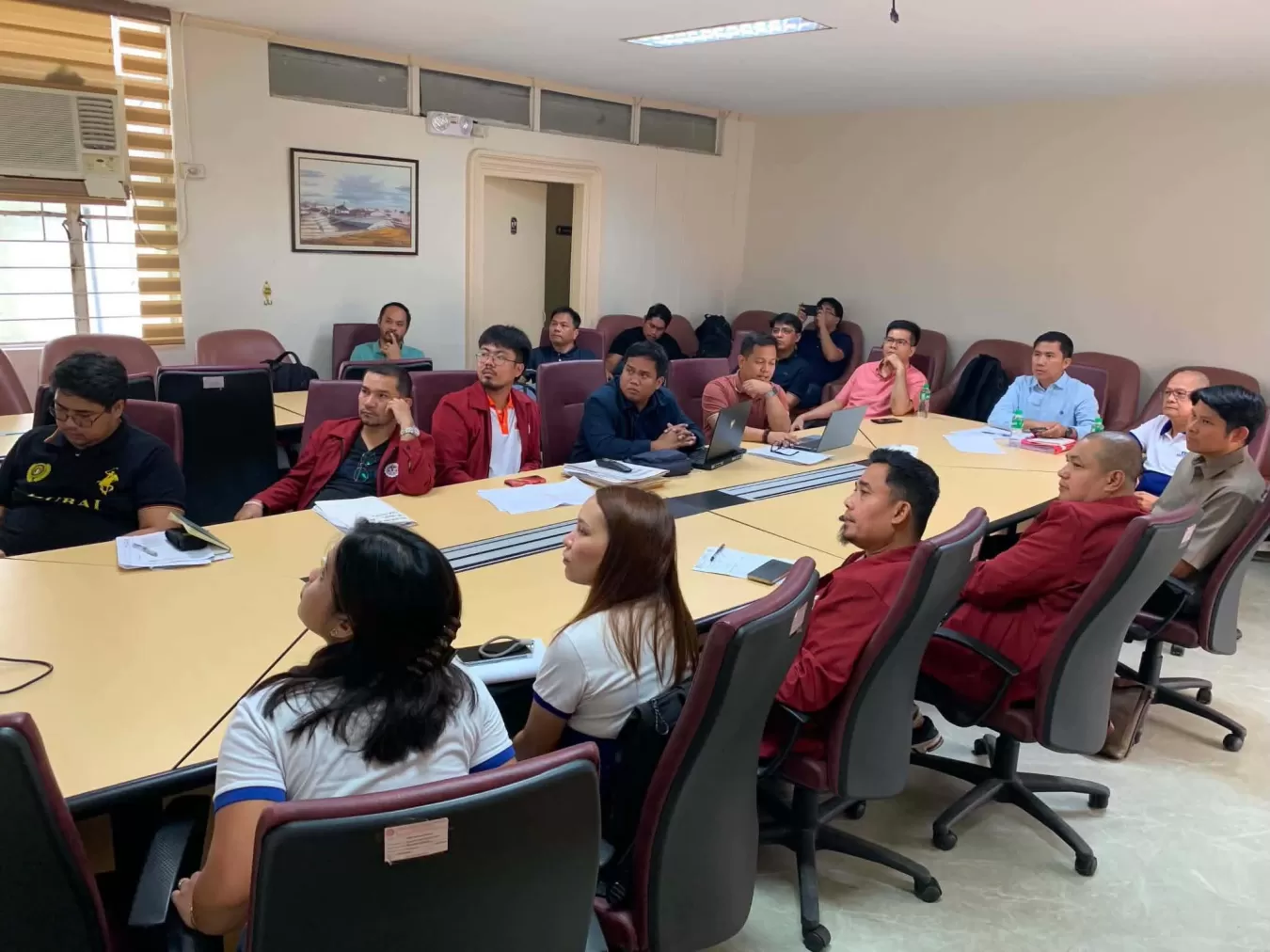
On Dec. 9, 2025, the University conducted its Sustainability Policy Year-End Review at the Institute of Graduate Studies and Research Conference Room in conjunction with a Technical Working Group Committee meeting.
The review assessed accomplishments and implementation priorities under the University's sustainability framework, including efforts to improve energy efficiency and reduce energy consumption.
Among the documented accomplishments were the completion of the LED lighting conversion program and the continued implementation of energy-efficient equipment procurement practices.
The University also continued energy-management initiatives guided by its designated Certified Energy Manager, supporting the identification of opportunities to improve equipment utilization and reduce unnecessary energy use.
The annual review provided a basis for assessing progress, identifying improvement opportunities, and developing action plans for succeeding years.
Through this process, MSEUF maintained a mechanism for evaluating the implementation of its energy efficiency priorities and supporting continuous improvement in institutional energy management.
 |
Sustaining energy efficiency across campus operations
MSEUF's 2025 energy efficiency initiatives demonstrate its efforts to integrate energy consumption reduction into institutional planning, equipment procurement, campus operations, and annual performance evaluation.
Through the implementation of its operational priorities, completion of energy-efficient lighting improvements, adoption of responsible procurement practices, and integration of energy conservation into administrative operations, the University strengthened its approach to reducing unnecessary electricity consumption.
These initiatives directly support Sustainable Development Goal 7: Affordable and Clean Energy, particularly Target 7.3, which calls for improvements in energy efficiency.
By maintaining an institutional approach to energy conservation, MSEUF advances its commitment to sustainable campus operations and responsible resource management, guided by its core values of Mindfulness, Service, Excellence, Unity, and Fortitude.