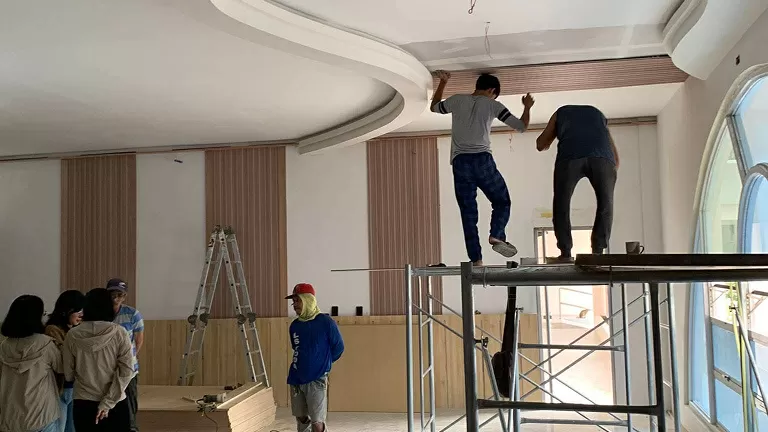
MSEUF strengthens energy-efficient construction and renovation through institutional sustainability policy


Manuel S. Enverga University Foundation MSEUF strengthened its energy-efficient building practices in 2025 through the implementation of its Sustainability Policy, integration of Philippine Green Building Code requirements into construction and renovation projects, and continued modernization of campus facilities.
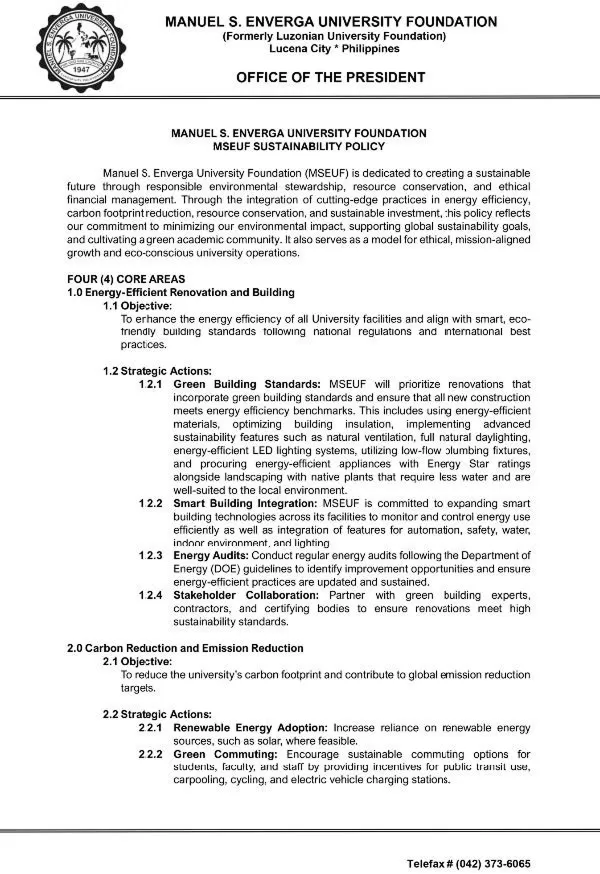
Sustainability Policy establishes energy-efficiency standards for campus buildings
First implemented in August 2022 and reviewed annually, the MSEUF Sustainability Policy identifies Energy-Efficient Renovation and Building as one of its four core areas, alongside Carbon Reduction and Emissions Reduction, Reduction in Energy Consumption, and Divestment.
The policy establishes a framework for improving the energy performance of University facilities through green building standards, smart building integration, energy audits, and institutional oversight of construction and renovation activities.
Under Section 1.2.1, Green Building Standards, the policy provides:
“MSEUF will prioritize renovations that incorporate green building standards and ensure that all new construction meets energy efficiency benchmarks.”
This provision establishes the University's commitment to incorporating energy-efficiency requirements into campus infrastructure development. It specifically ensures that new construction meets energy-efficiency benchmarks while prioritizing the integration of green building standards into renovation projects.
 |
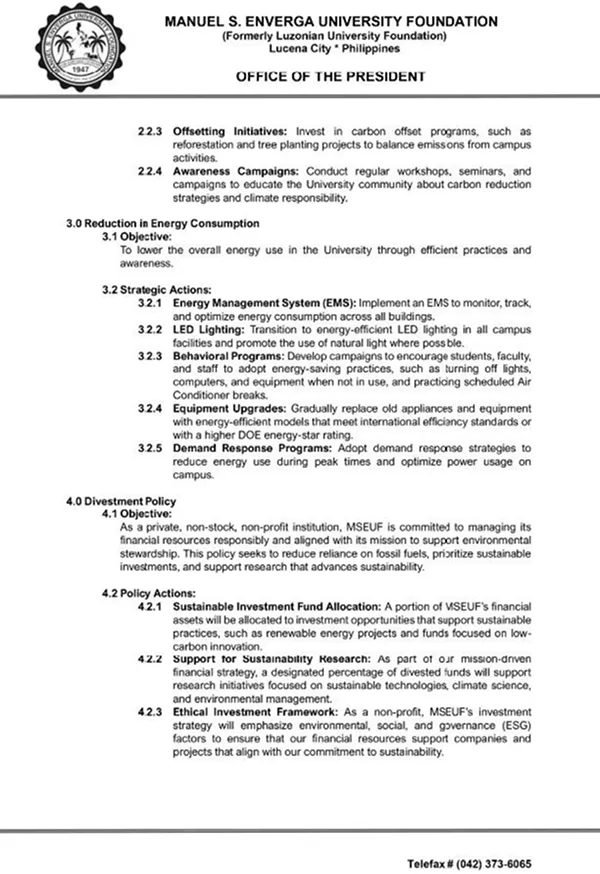 |
The policy identifies energy-efficient construction materials, building insulation, natural ventilation, natural daylighting, LED lighting, low-flow plumbing fixtures, and energy-efficient appliances among the measures supporting sustainable building development.
Integration of green building requirements into construction and renovation
MSEUF implements its building energy-efficiency commitments in accordance with applicable provisions of the Philippine Green Building Code (PGBC).
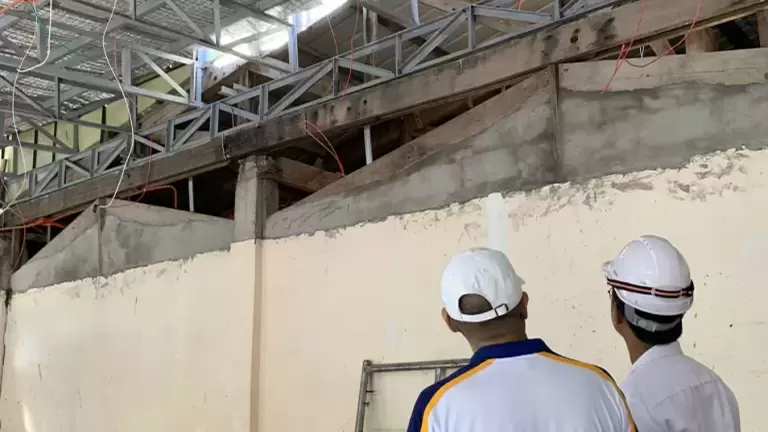
Through its Technical Working Group (TWG), composed of qualified professionals and engineers, the University integrates applicable green building and energy-efficiency requirements into new construction projects and building renovations.
The TWG considers compliance with relevant standards throughout the project lifecycle, from planning and design to implementation.
This approach supports the incorporation of energy-efficient building practices during the development and improvement of campus infrastructure rather than limiting sustainability measures to completed facilities.
The General Services Department (GSD) also supports construction and renovation activities through its Project Management Services, coordinating with the TWG and relevant technical personnel in overseeing project implementation.
 |
2025 energy-efficient building improvements
MSEUF advanced its building energy-efficiency priorities through lighting modernization, smart building integration, and continuing improvements to campus facilities.
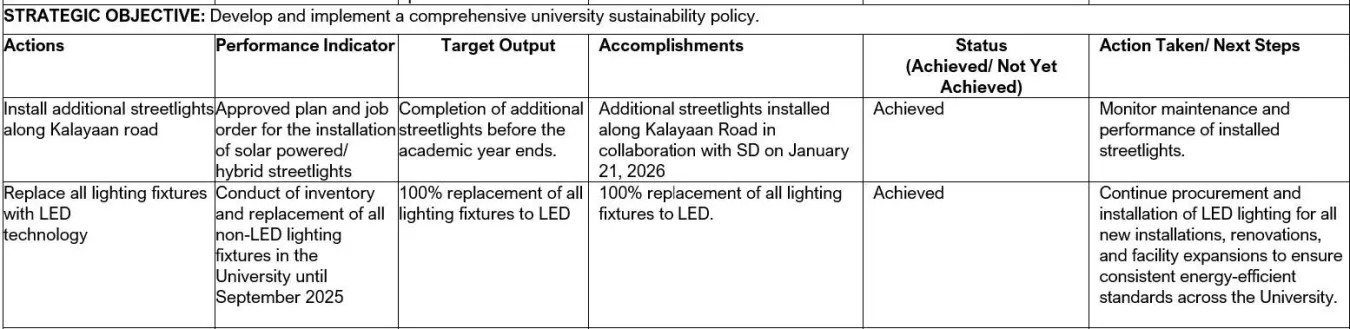
University-wide LED lighting modernization
In the first half of 2025, the University completed the conversion of all 7,503 inventoried lighting fixtures to energy-efficient light-emitting diode (LED) technology.
The initiative achieved 100% conversion of the University's recorded lighting inventory and formed part of its continuing efforts to improve lighting efficiency in existing campus buildings.
The conversion also reflected the Sustainability Policy's emphasis on incorporating energy-efficient lighting technology into campus facilities.
 |
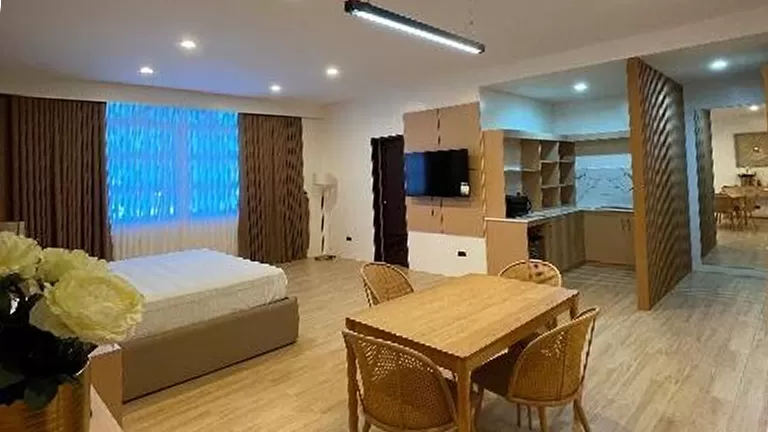
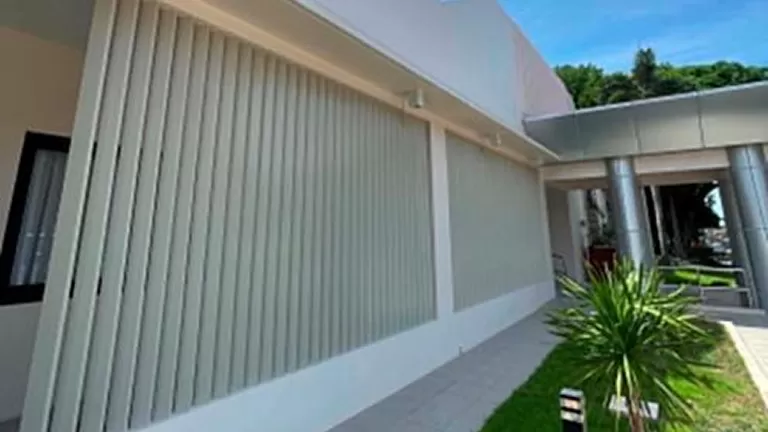
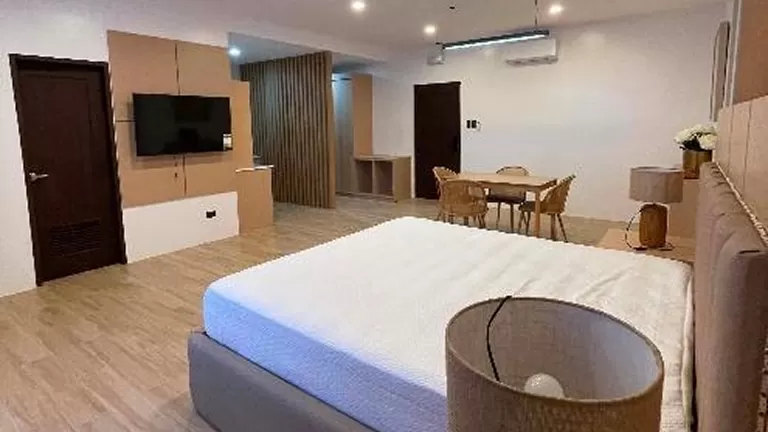
CIHTM renovation and smart building features
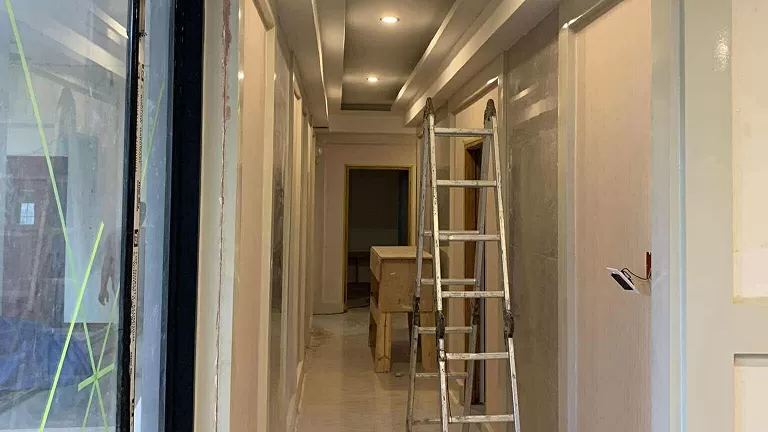
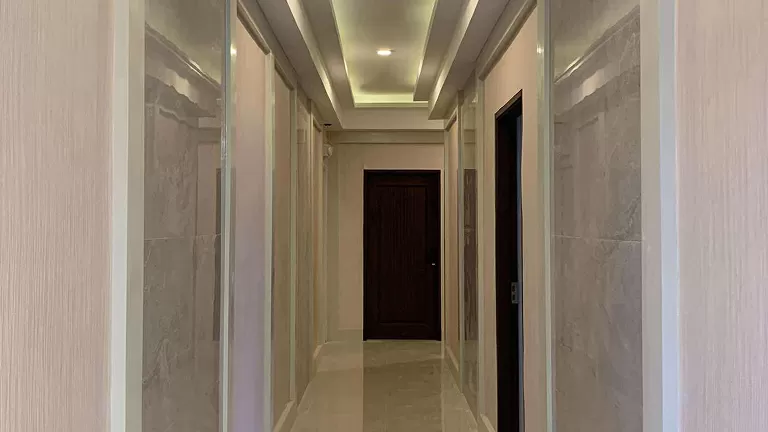
MSEUF undertook interior renovation works at the College of International Hospitality and Tourism Management (CIHTM), incorporating smart building features to support improved functionality and operational efficiency.
The initiative aligned with the University's Sustainability Policy, particularly Section 1.2.2 on Smart Building Integration, which promotes the use of technologies that support efficient building operation and energy management.
The CIHTM renovation represents an example of the University's efforts to incorporate modern building features into the improvement of existing campus facilities.
 |
 |
 |
Additional campus renovation projects
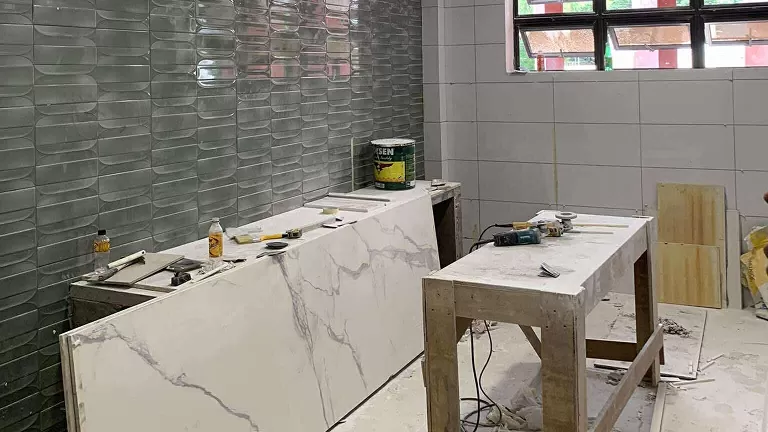
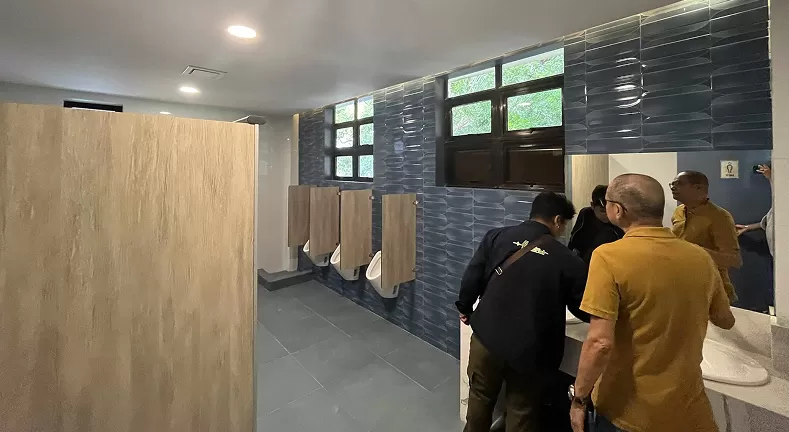
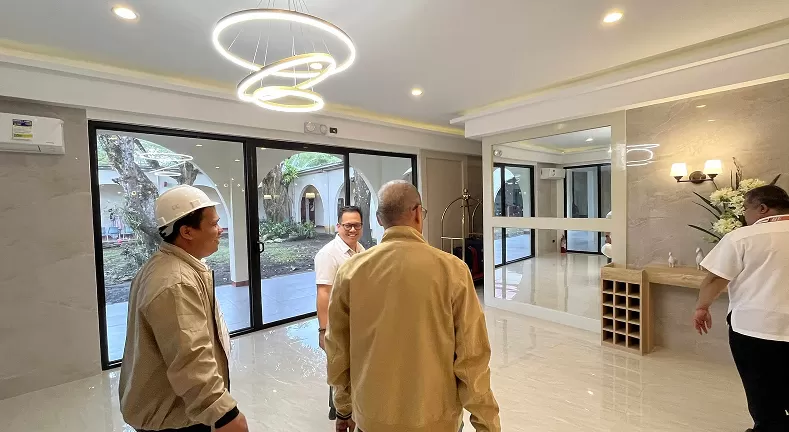
The University also implemented renovation and improvement works at the Gym Executive Lounge and comfort room to enhance facility functionality and usability.
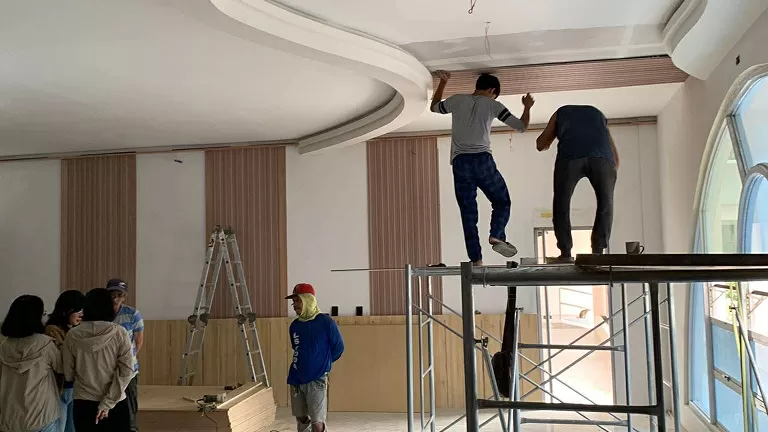
MSEUF likewise carried out interior renovation works at the HRM Coffee Shop to improve the facility and its operational environment.
These projects contributed to the University's broader campus infrastructure improvement initiatives.
 |
 |
 |
 |
 |
 |
Building energy assessment and improvement planning
MSEUF complemented its building improvement initiatives with continuing energy-audit activities to identify opportunities for improving energy efficiency and reducing unnecessary electricity consumption.
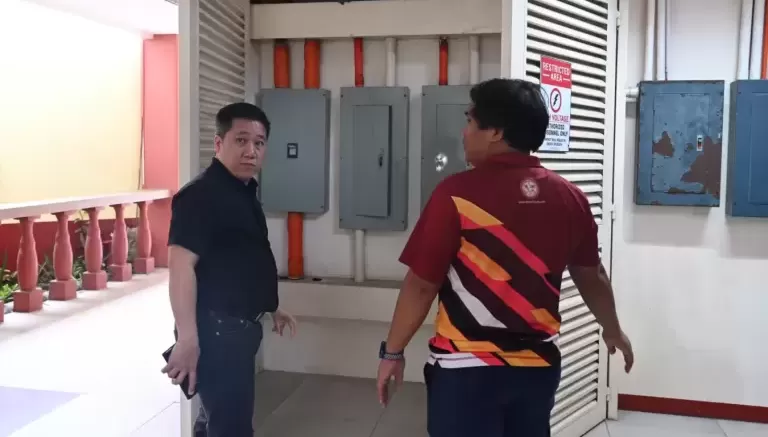
On Feb. 7, 2025, the University undertook a University-wide Level I Energy Audit through PEP-G Electrical, a Department of Energy-accredited Energy Service Company.
The assessment examined energy-consumption patterns, facility usage profiles, equipment conditions, and existing system performance.
The audit also identified potential energy-management improvements and estimated savings opportunities that could inform succeeding energy-efficiency initiatives.
 |
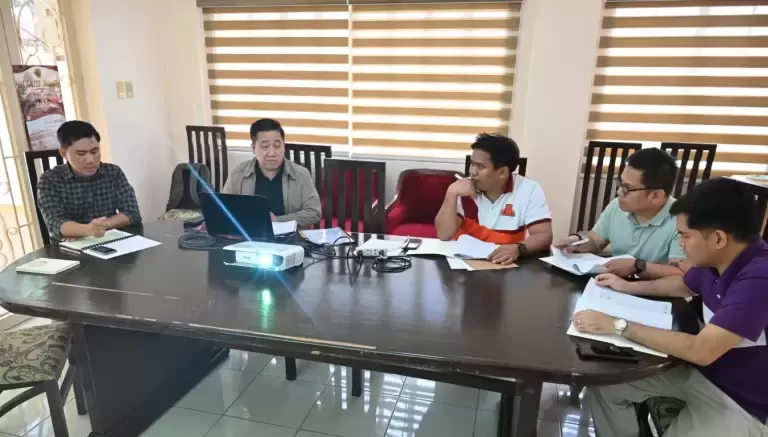
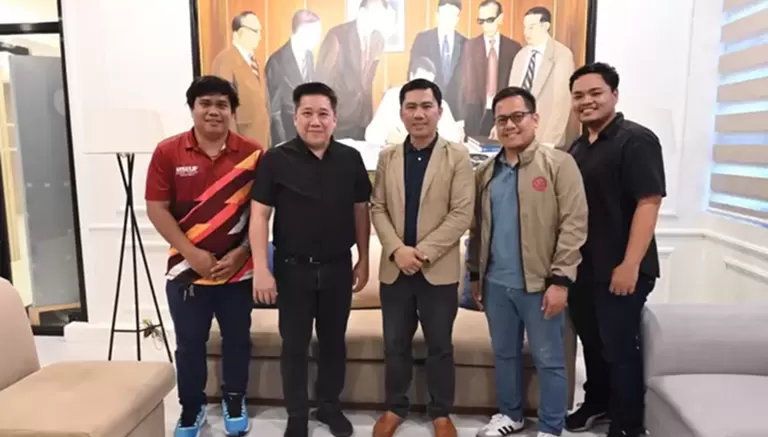
MSEUF reviewed the audit findings during a close-out meeting on March 27, 2025, which included recommendations for conducting a more detailed Level II Energy Audit.
The University also continued implementing energy-management initiatives guided by its appointed Certified Energy Manager.
These activities supported the identification of potential improvements in existing buildings and informed the University's continuing energy-efficiency planning.
 |
 |
Continuing building maintenance and inspection
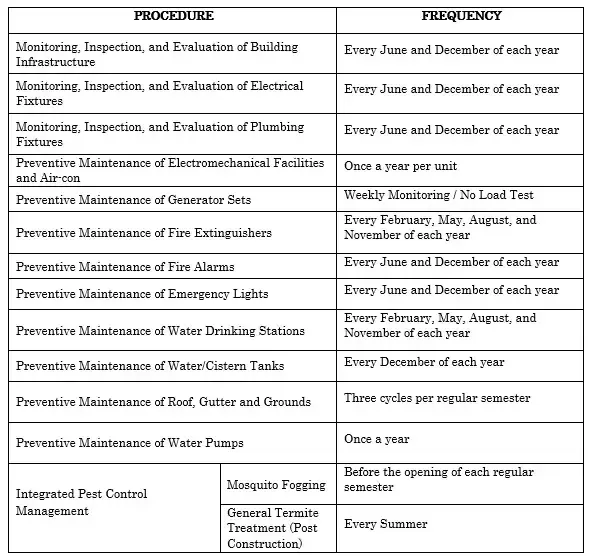
MSEUF supports the management of existing campus facilities through the GSD's Comprehensive Preventive Maintenance Program and Building Inspection Services.
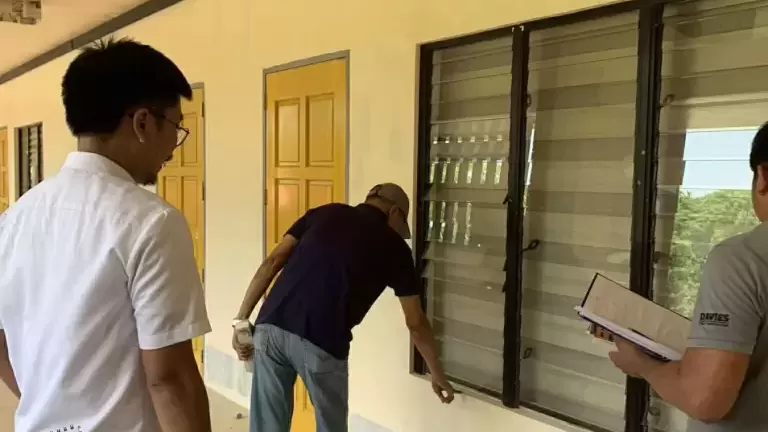 |
These services provide for regular inspections, equipment maintenance, engineering assessments, and compliance-related activities involving University buildings and essential facility systems.
The preventive maintenance program covers buildings, electrical systems, plumbing facilities, air-conditioning units, and other infrastructure requiring regular monitoring and servicing.
Meanwhile, building inspection activities support the assessment of facility conditions and compliance with applicable requirements.
These services complement the University's infrastructure improvement initiatives by supporting continued building functionality, maintenance, and technical oversight.
 |
Annual monitoring and policy review
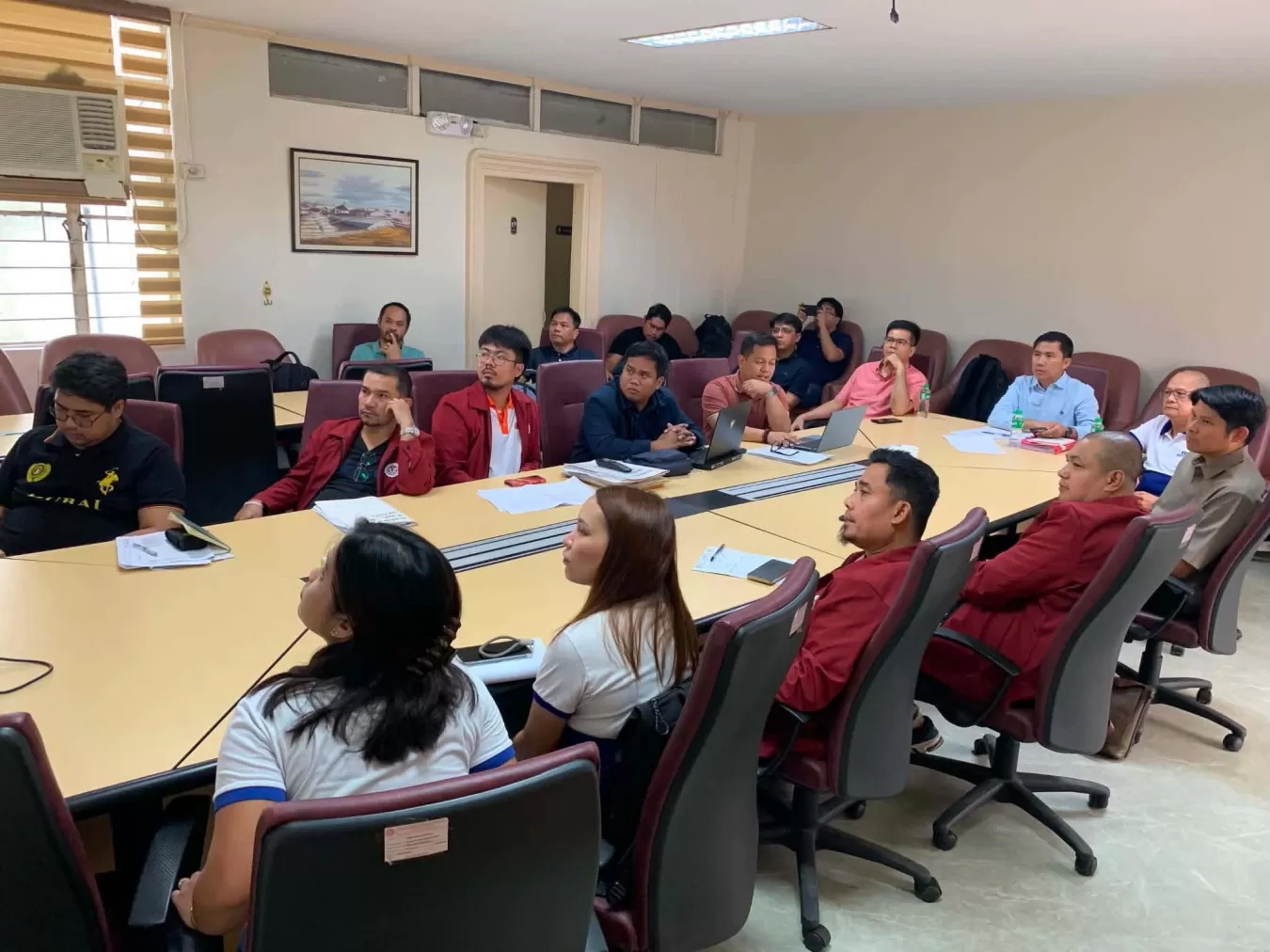
MSEUF conducted its 2025 Sustainability Policy Year-End Review on Dec. 9, 2025, at the Institute of Graduate Studies and Research Conference Room, in conjunction with the Technical Working Group Committee Meeting.
The review assessed accomplishments and continuing initiatives under the University's sustainability roadmap, including energy-efficient building development, carbon and emissions reduction, energy-consumption management, and divestment.
It also informed the development of action plans for the succeeding year.
Through this annual review process, MSEUF continued evaluating its sustainability initiatives and identifying priorities for future campus infrastructure improvements.
 |