

Manuel S. Enverga University Foundation (MSEUF) advanced education for sustainable development beyond its classrooms in 2025 through community-based learning initiatives that provided local residents and other public participants with practical knowledge in entrepreneurship, health, civic responsibility, and cultural heritage.
Through its academic departments, community extension programs, and collaboration with government and civic organizations, the University delivered learning opportunities to beneficiaries of social welfare programs, Indigenous communities, and participants in public educational activities.
These initiatives reflected MSEUF's commitment to accessible and inclusive education, connecting academic knowledge with community needs and supporting the United Nations Sustainable Development Goals (SDGs).
Entrepreneurship and financial literacy education for 4Ps families
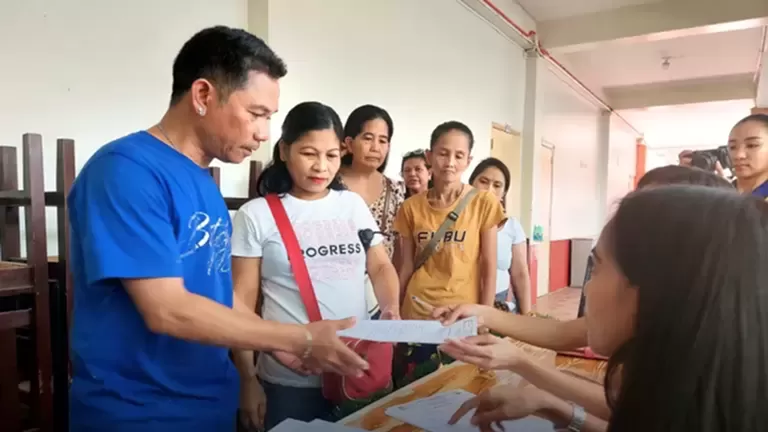 |
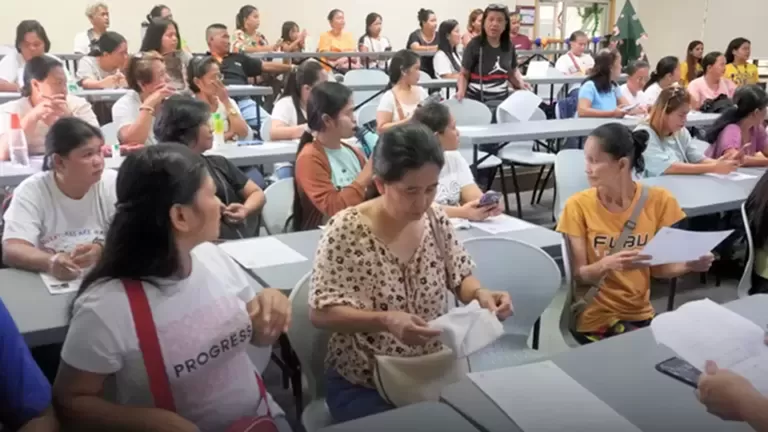
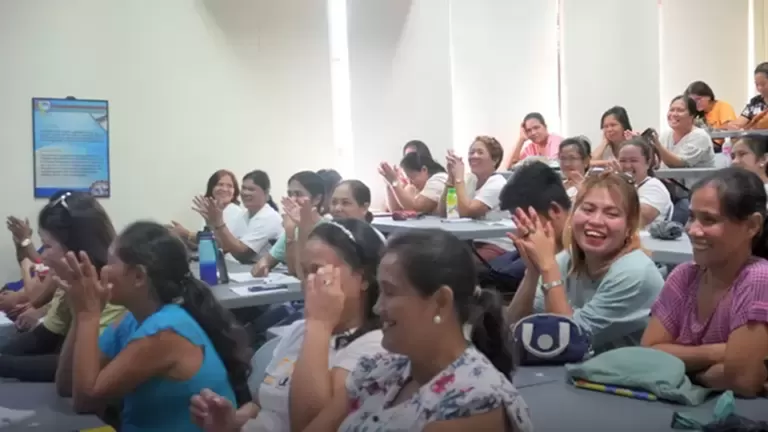
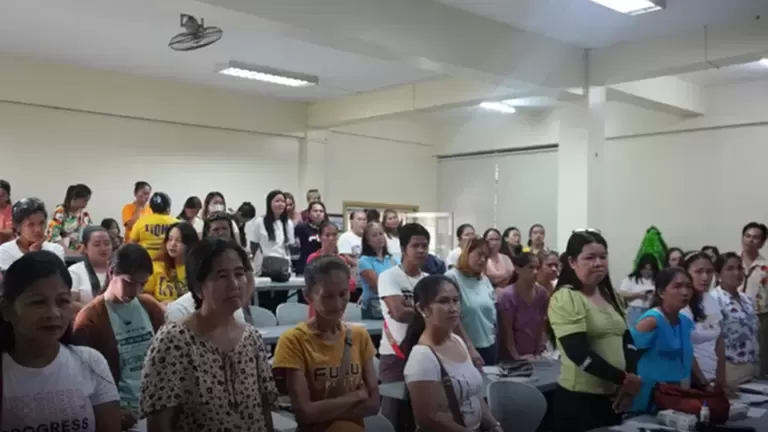
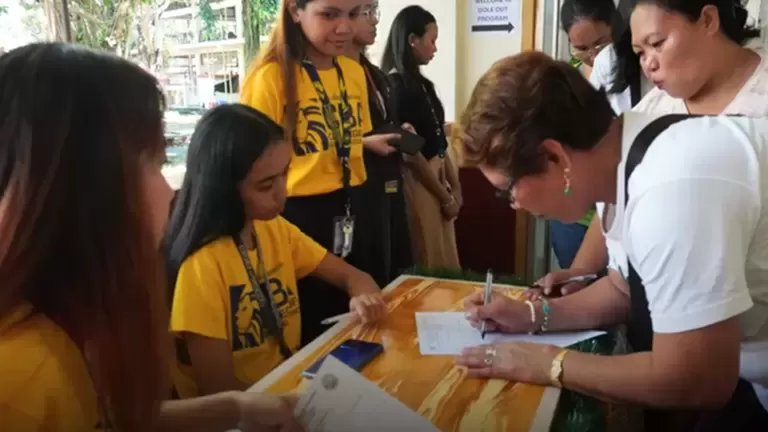
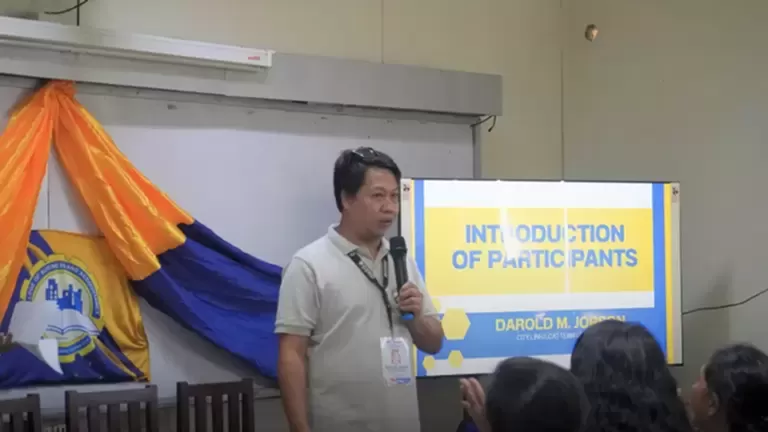
On Jan. 11, 2025, the College of Business and Accountancy, in partnership with other University units and community stakeholders, conducted Hatid-Kaalaman sa Pagnenegosyo to provide entrepreneurship education and financial literacy training to parents of 4Ps beneficiaries.
The training introduced participants to starting small businesses, managing finances, and planning for long-term financial sustainability. Organizers encouraged active participation so beneficiaries could relate the lessons to practical situations.
Unlike formal classroom instruction intended for enrolled students, the activity brought entrepreneurial knowledge directly to community members and sought to strengthen their capacity to explore livelihood opportunities and manage their financial resources.
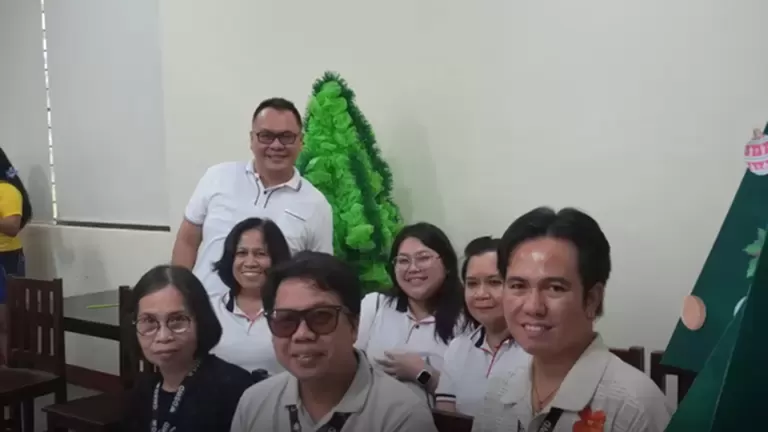
Dr. Flormando Baldovino, dean of the College of Business and Accountancy, emphasized the role of entrepreneurial education in supporting sustainable livelihoods and strengthening communities.
By sharing financial and entrepreneurial knowledge with disadvantaged families, MSEUF contributed to SDG 1 (No Poverty), SDG 4 (Quality Education), SDG 8 (Decent Work and Economic Growth), and SDG 17 (Partnerships for the Goals).
 |
 |
 |
 |
 |
 |
Health, nutrition, and cultural education for the Sama-Bajau community
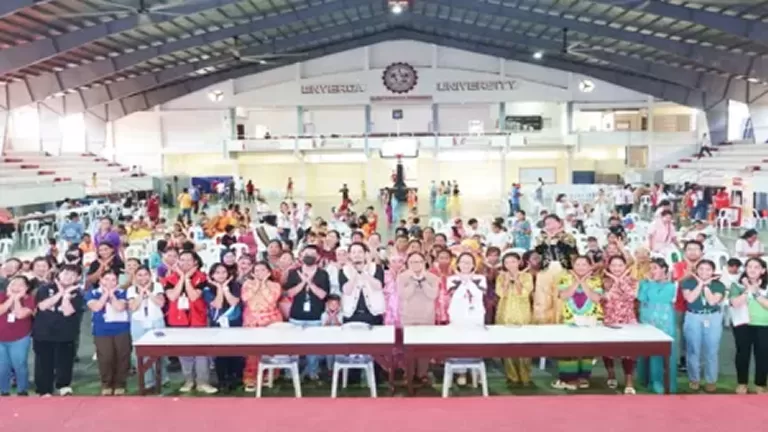 |
MSEUF extended community education to the Sama-Bajau community through SAMA-SAYA, an Indigenous Peoples Month initiative conducted with government partners.
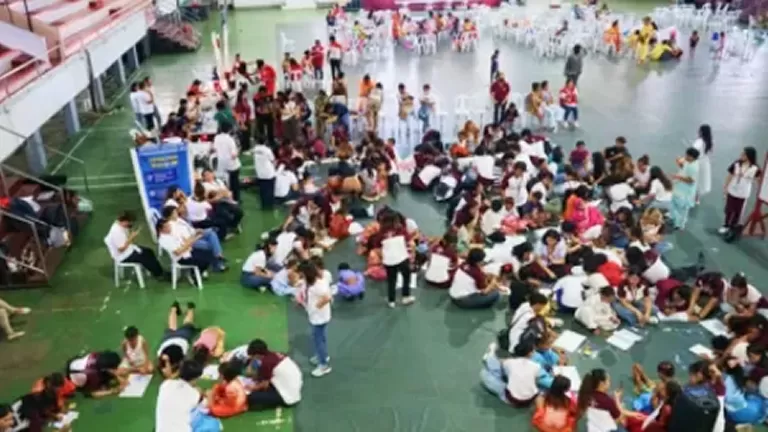
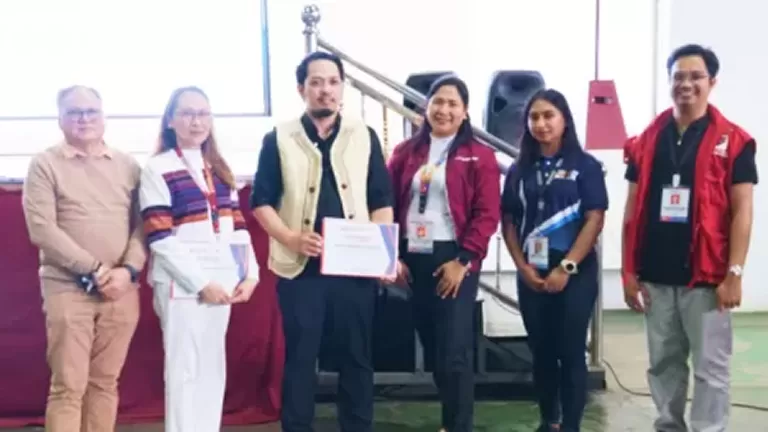
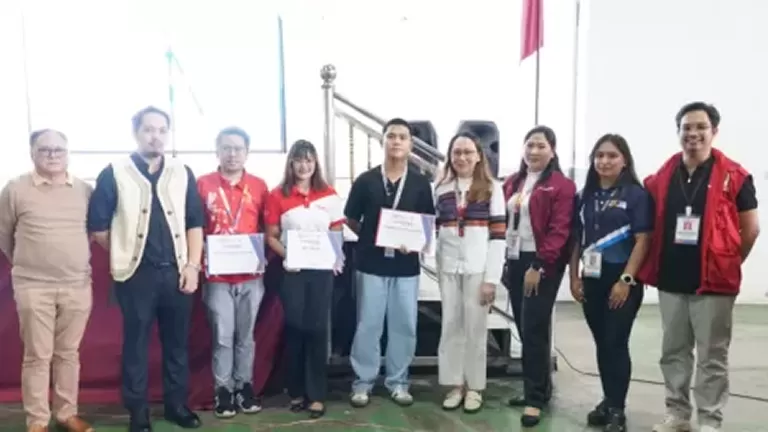
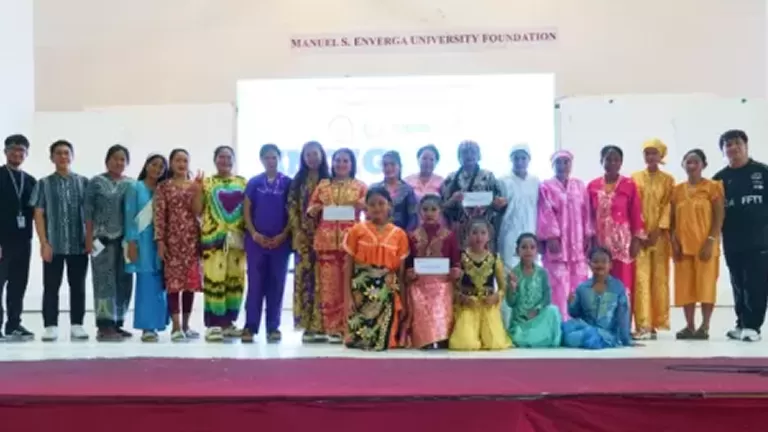
The program gathered 153 Sama-Bajau 4Ps beneficiaries for a day of cultural engagement, educational discussions, and community services.
College of Arts and Sciences faculty member Pedro Jose De Castro presented research on Indigenous Peoples' ways of life, while College of Nursing instructor Rolando Remojo discussed health and nutrition, with emphasis on hygiene and waste management.
These learning sessions addressed community well-being by sharing information on everyday health practices and by encouraging cultural understanding and respect for Indigenous identities.
The initiative also featured cultural performances and a service caravan that provided medical consultations, birth registration, and social welfare services. These complementary activities supported the program's broader community engagement objectives.
Through its educational sessions, MSEUF contributed to SDG 3 (Good Health and Well-being), SDG 4 (Quality Education), SDG 10 (Reduced Inequalities), and SDG 17 (Partnerships for the Goals).
 |
 |
 |
 |
Public education on justice, human rights, and responsible citizenship
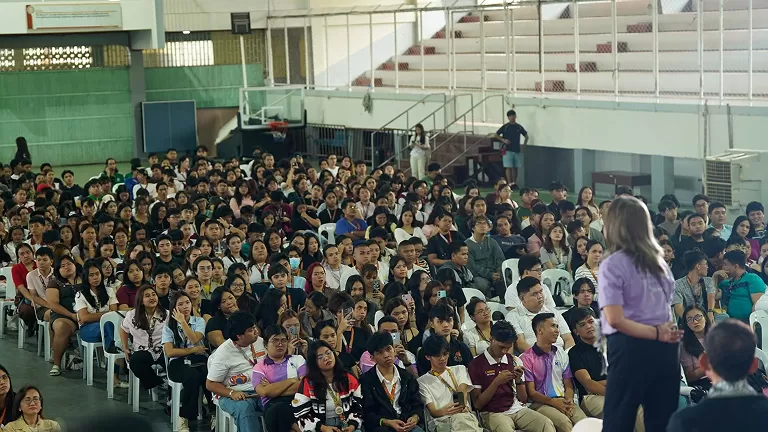 |
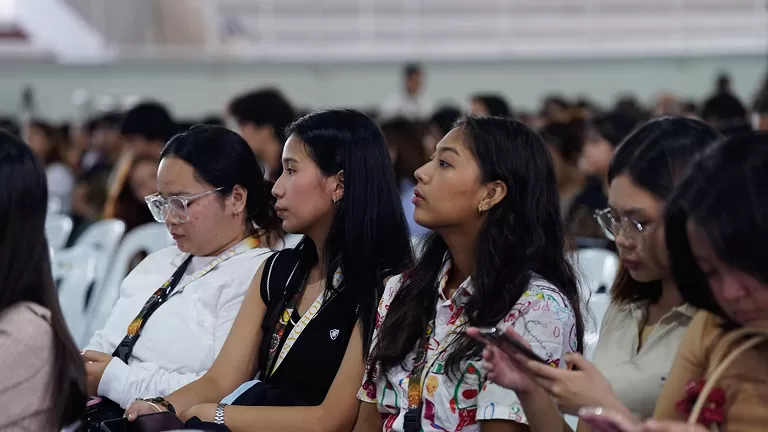
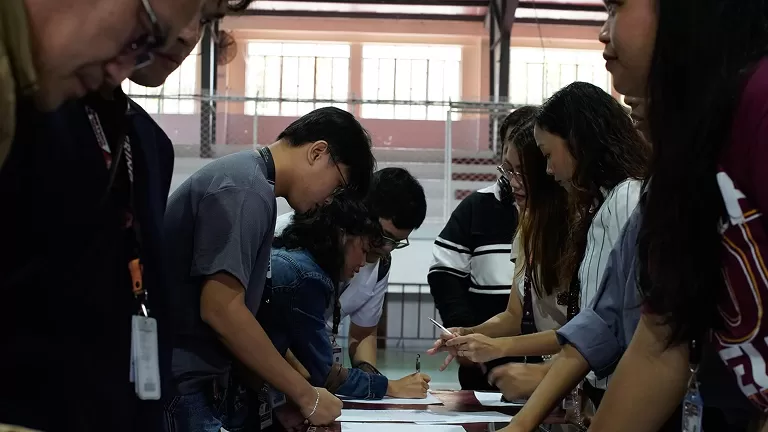
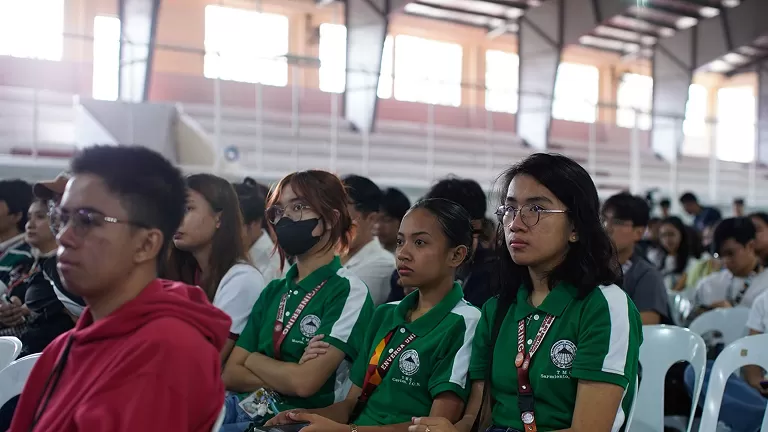
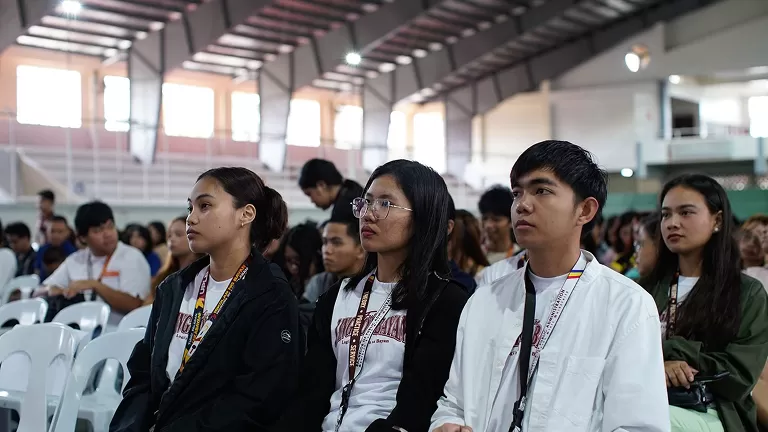
The College of Arts and Sciences Social Science Society conducted a public lecture titled Kapayapaan sa Gitna ng Sigwa: Katarungan, Hamon, at Pagbangon as part of Social Sciences Week 2025.
The activity brought together students, faculty members, and members of the public to discuss justice, human rights, labor rights, representation, public accountability, and contemporary social issues.
Speakers from the legal profession, civic organizations, and public life shared perspectives on democratic participation, citizens' rights, and government accountability.
Through this public learning activity, MSEUF provided an opportunity for participants to examine social concerns and develop a deeper understanding of citizenship, governance, and public responsibility.
The initiative contributed to SDG 4 (Quality Education) and SDG 16 (Peace, Justice and Strong Institutions) by promoting civic awareness, critical thinking, and informed public engagement.
 |
 |
 |
 |
Cultural heritage education through the Sayaw Kalilayan seminar-workshop
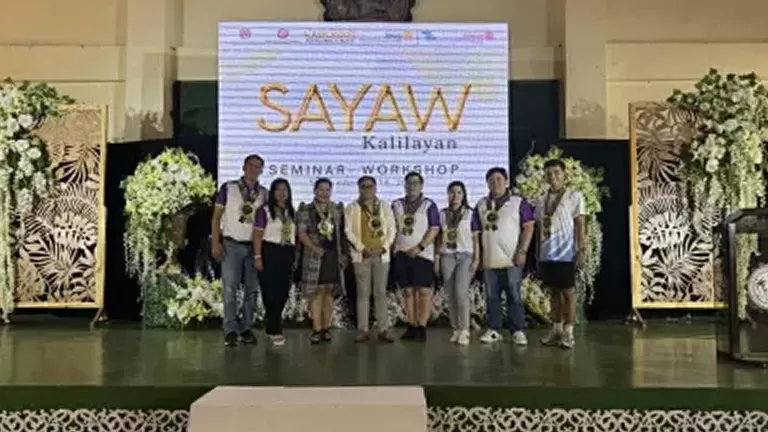 |
MSEUF Catanauan hosted Sayaw Kalilayan, a two-day seminar-workshop commemorating the 30th anniversary of the Kalilayan Folkloric Dance Troupe.
The program brought together more than 400 student performers and guests from different regions to participate in cultural learning activities focused on Philippine folk traditions.
Founder choreographer Rommel Serrano led lectures and practical workshops integrating cultural interpretation with performance training. Participants also explored costume traditions, cultural research, and choreography.
The program featured local dances, including Abaruray de Catanauan, Malagueña de Catanauan, and Tubong de Catanauan, demonstrating how traditional performances communicate local history and cultural identity.
Through lectures and experiential workshops, the initiative created opportunities for participants to deepen their knowledge of cultural heritage and develop skills that could support the continued practice and transmission of local traditions.
The program contributed to SDG 4 (Quality Education), SDG 11 (Sustainable Cities and Communities), and SDG 17 (Partnerships for the Goals).
 |
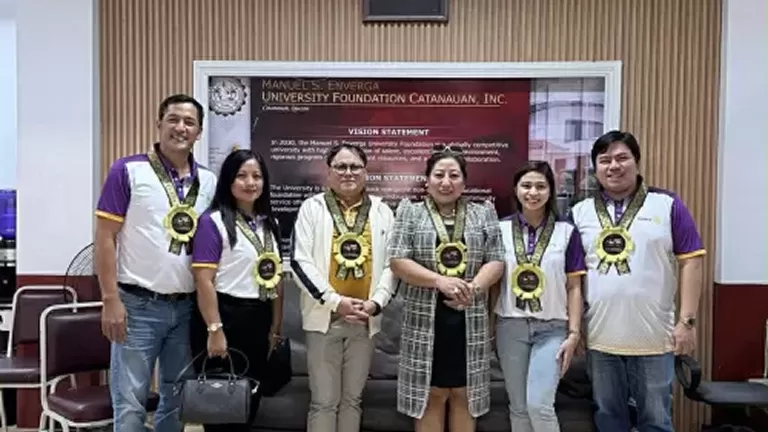 |
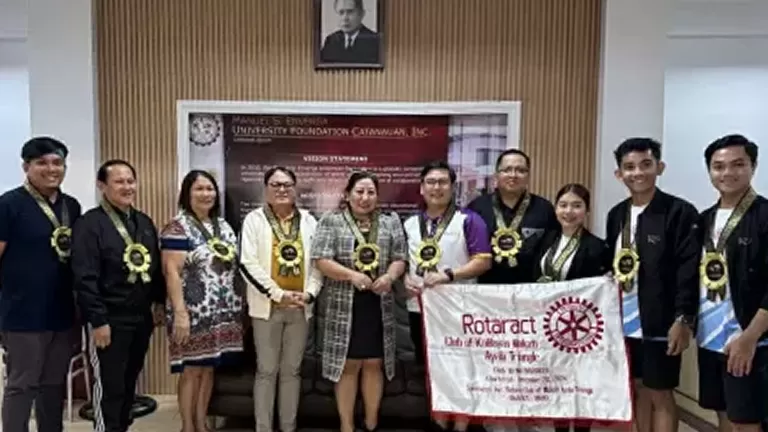
hening education for sustainable development beyond the University
These initiatives demonstrated the different ways MSEUF connected academic expertise with community learning needs in 2025.
From entrepreneurship training for disadvantaged families to health education for Indigenous communities, public discussions on civic responsibility, and workshops on cultural preservation, the University extended educational opportunities beyond conventional classroom instruction.
The activities also reflected the importance of collaboration among academic institutions, government agencies, civic organizations, and communities in advancing sustainable development.
Through its threefold function of instruction, research, and community service, MSEUF continued to uphold its core values of Mindfulness, Service, Excellence, Unity, and Fortitude while contributing to more inclusive and community-responsive education.
These efforts supported SDG 4, particularly the promotion of education for sustainable development, and SDG 17, which emphasizes partnerships and shared action toward the achievement of the global goals.