

Manuel S. Enverga University Foundation (MSEUF) strengthens education for sustainable development through specialized degree programs, sustainability-related academic courses, and international collaborations that support knowledge exchange and responsible professional practice.
The University incorporates environmental protection, sustainable resource management, responsible governance, and community development into formal academic offerings. These efforts support the United Nations Sustainable Development Goals (SDGs) by preparing students to understand and address environmental, economic, and social challenges.
Environmental Science program provides specialized sustainability education
MSEUF offers the Bachelor of Science in Environmental Science, a degree program focused on understanding environmental systems, ecological challenges, and sustainable resource management.
The program includes Environmental Impact Assessment, Environmental Economics, Environmental Monitoring and Evaluation, Environmental Pollution, and Environmental Ethics, Policies, and Laws.
These courses address the environmental consequences of development, the economic dimensions of environmental protection, monitoring and evaluation, pollution management, and policies supporting environmental conservation.
The program also includes Ecology and introductory environmental science coursework, which develop students' understanding of biodiversity, ecosystems, and environmental sustainability.
These academic offerings support SDG 6 (Clean Water and Sanitation), SDG 12 (Responsible Consumption and Production), SDG 13 (Climate Action), SDG 14 (Life Below Water), and SDG 15 (Life on Land).
Economics and Public Administration courses address sustainable development and governance
MSEUF extends sustainability education through the Bachelor of Science in Economics and Bachelor of Science in Public Administration.
The Economics curriculum includes Resource Economics/Environmental Comparative Economic Systems, a subject addressing sustainable use of natural resources, environmental economics, and policies aimed at reducing ecological degradation.
Agricultural Economics examines food production, land use, and responsible resource management, connecting economic principles with sustainable agricultural development.
Meanwhile, the Public Administration curriculum includes Governance and Development, Resource Management, and Good Governance and Social Responsibility.
These subjects address the economic, social, and environmental dimensions of governance, responsible use of public resources, and institutional accountability.
Together, these courses support SDG 8 (Decent Work and Economic Growth), SDG 11 (Sustainable Cities and Communities), SDG 12 (Responsible Consumption and Production), SDG 16 (Peace, Justice and Strong Institutions), and SDG 17 (Partnerships for the Goals).
Biology and Architecture programs connect sustainability with conservation and community development
The Bachelor of Science in Biology includes specialized courses such as General Ecology and Marine Biology, which examine ecosystems, biodiversity conservation, marine environments, and sustainable fisheries.
Through these subjects, students develop knowledge relevant to ecological conservation and sustainable management of natural resources.
The Bachelor of Science in Architecture also provides sustainability-related academic instruction through Architectural Design 7 — Community Architecture and Urban Design, Specialization 1 — Community Planning Development, and Specialization 2 — Urban Design Studio.
These courses address community-oriented design, ecological considerations, urban planning, and the relationship between the built environment and sustainable development.
Specialization 1 — Community Planning Development includes the study of coastal communities in Quezon province, ecology, and patterns of community interaction.
These academic offerings support SDG 9 (Industry, Innovation and Infrastructure), SDG 11 (Sustainable Cities and Communities), SDG 14 (Life Below Water), and SDG 15 (Life on Land).
International academic collaborations strengthen sustainability-related knowledge exchange
Beyond its formal academic offerings, MSEUF advances international academic cooperation through partnerships that create opportunities for joint research, student and faculty exchange, and program development.
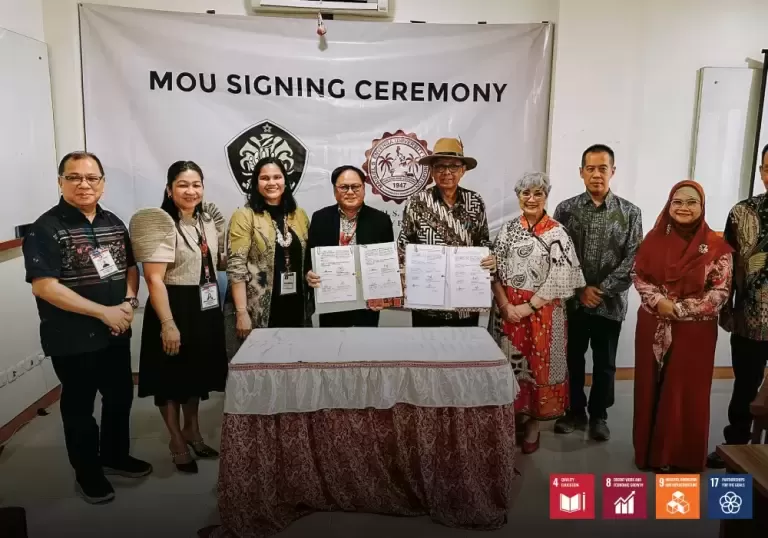
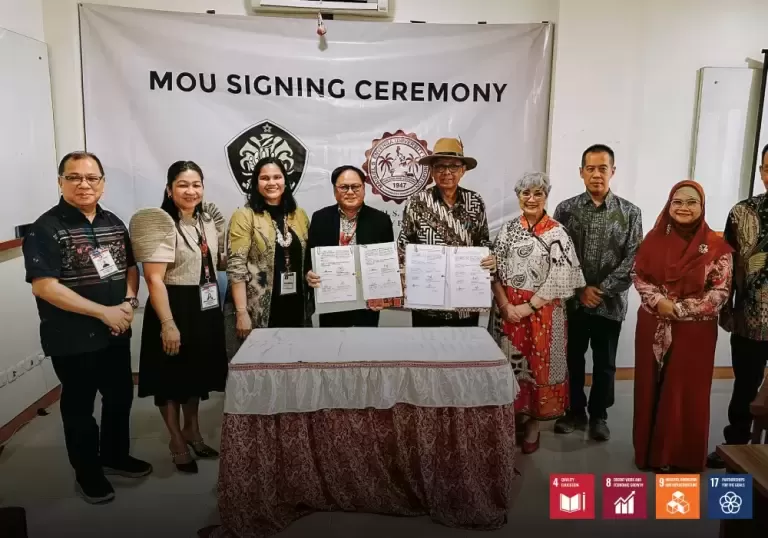
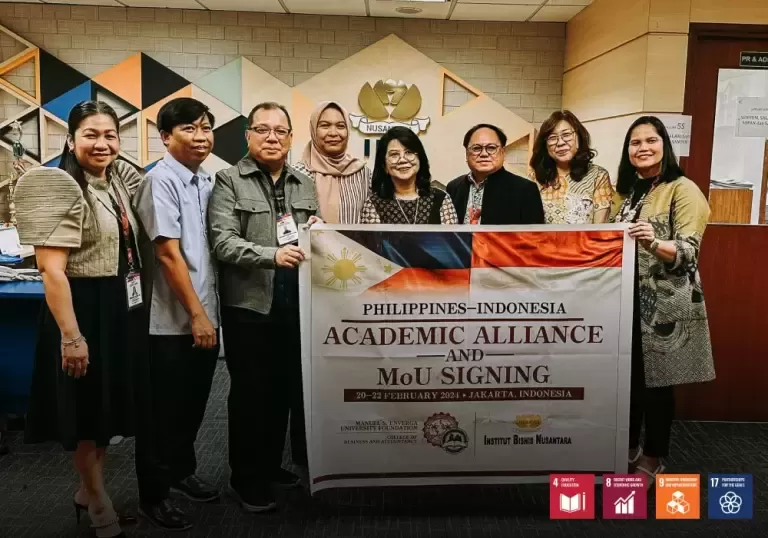
In February 2024, the University strengthened its academic relationships with Indonesian institutions, including Universitas Pancasila and the GS FAME Institute of Business/Institut Bisnis Nusantara. The agreements covered joint research, faculty and student exchanges, and program development in tourism, hospitality, and business education.
These partnerships provided a framework for international academic collaboration and knowledge exchange in disciplines related to sustainable economic and institutional development.
 |
 |
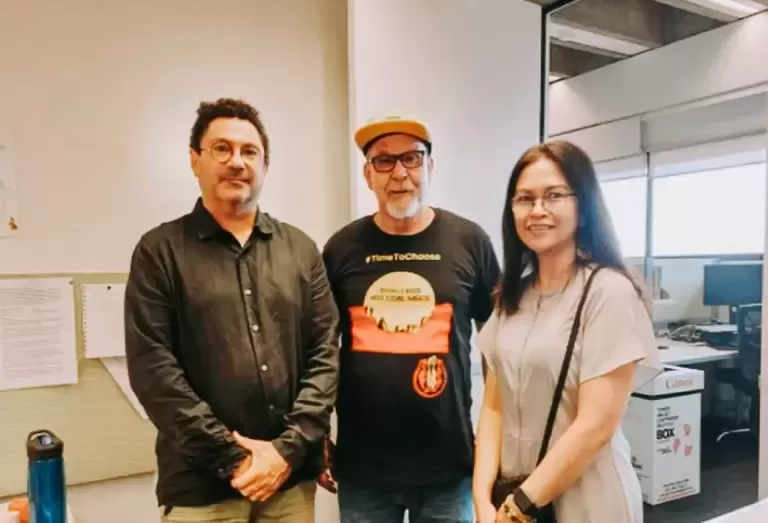
MSEUF also engaged in exploratory discussions with the University of Technology Sydney's Jumbunna Institute for Indigenous Education and Research in 2024. The discussions explored potential research collaboration on Indigenous Peoples, language revitalization, and livelihood development.
These engagements opened opportunities to exchange knowledge and explore approaches to culturally responsive education, community development, and the preservation of Indigenous knowledge.
 |
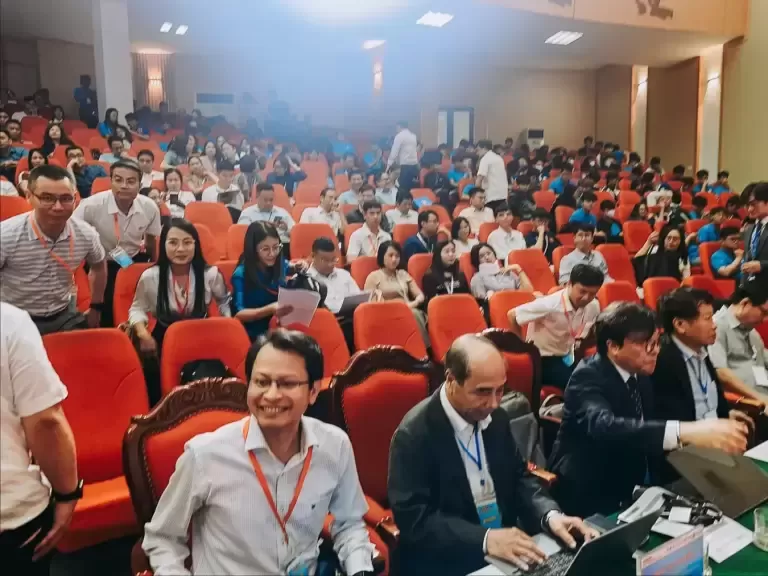
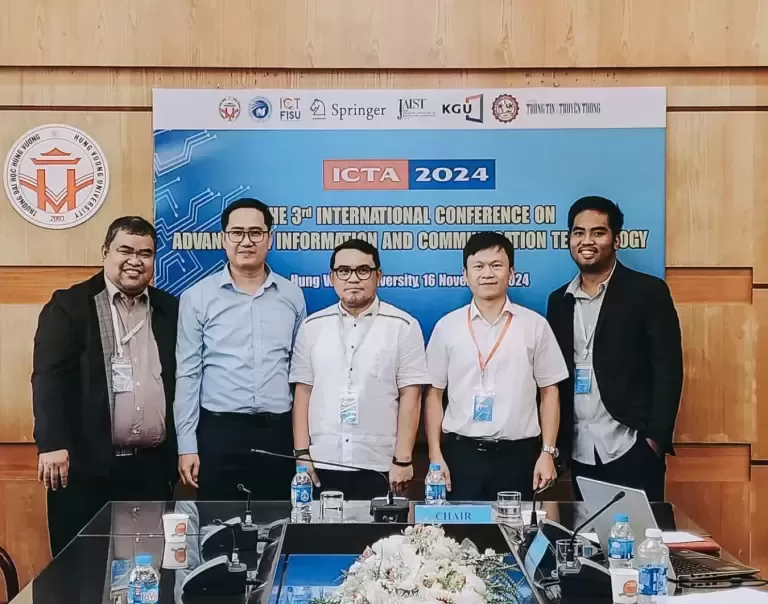
The University further supported international academic exchange through its co-organization of the 3rd International Conference on Advances in Information and Communications Technology, held in Vietnam in November 2024.
MSEUF faculty presented research projects through collaborations involving institutions such as Thai Nguyen University of Information and Communication Technology. The conference provided an international platform for sharing research and comparing approaches to technology, infrastructure, and innovation.
 |
 |
Institutional commitment reinforces sustainability education
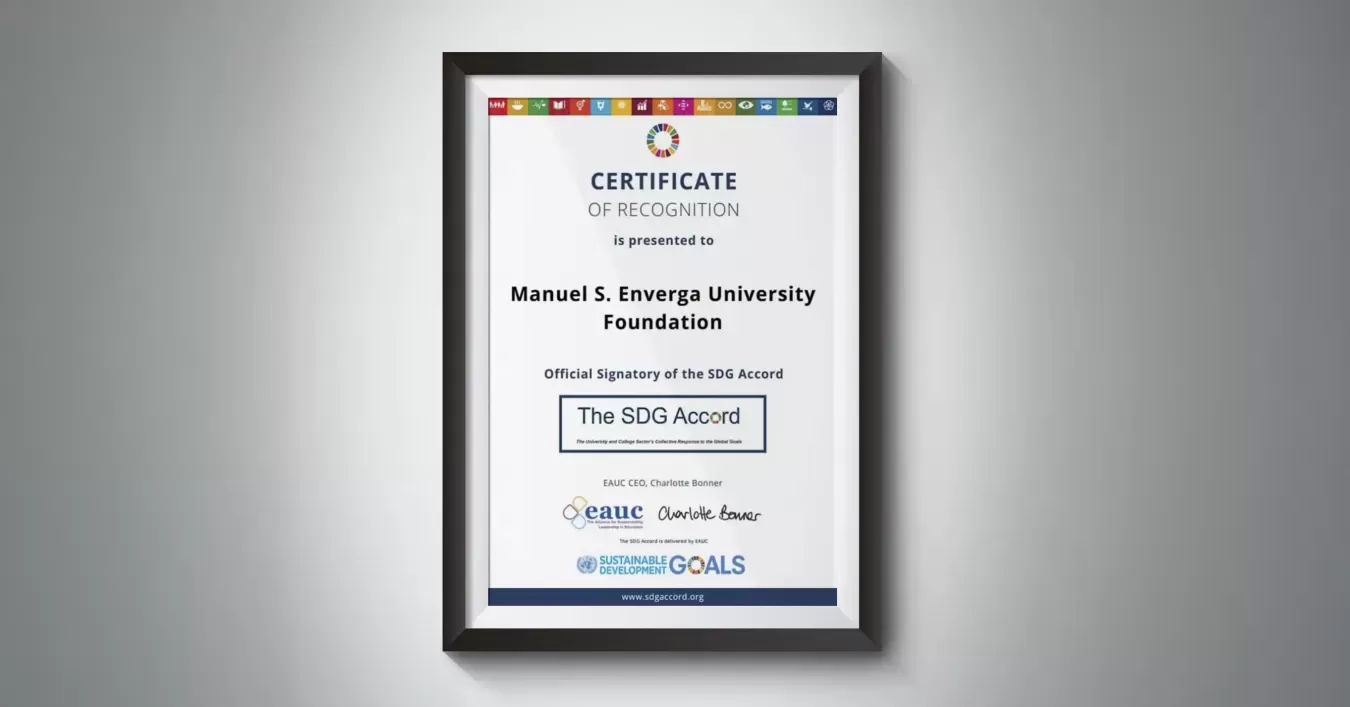
In September 2025, MSEUF became a signatory of the SDG Accord, reinforcing its commitment to sustainable development across teaching, research, operations, and community engagement.
The commitment provides an institutional framework for advancing sustainability education and encouraging broader integration of the SDGs into academic and university activities.
 |