

Manuel S. Enverga University Foundation (MSEUF) strengthened its commitment to sustainable development through three initiatives held in October and November 2025 in Lucena City and Batangas, bringing together academic institutions, government agencies and community stakeholders to advance youth participation, poverty reduction research and mental health awareness.
Through its National Service Training Program–Civic Welfare Training Service (NSTP-CWTS), Community Relations Department and Office of Student Affairs and Services (OSAS), the University supported initiatives that connected education, research and community engagement with local development needs.
Advancing youth participation through NSTP-CWTS
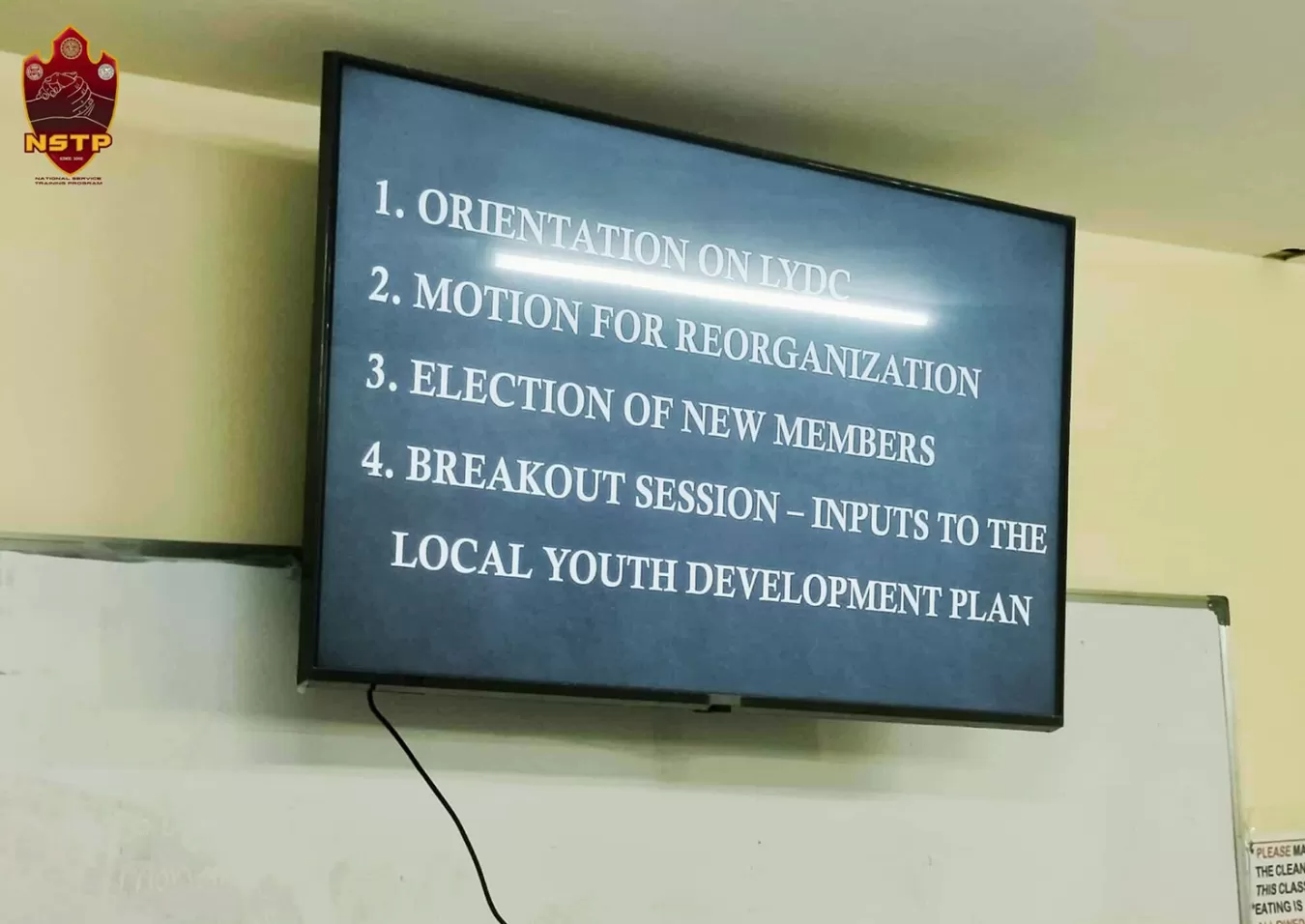
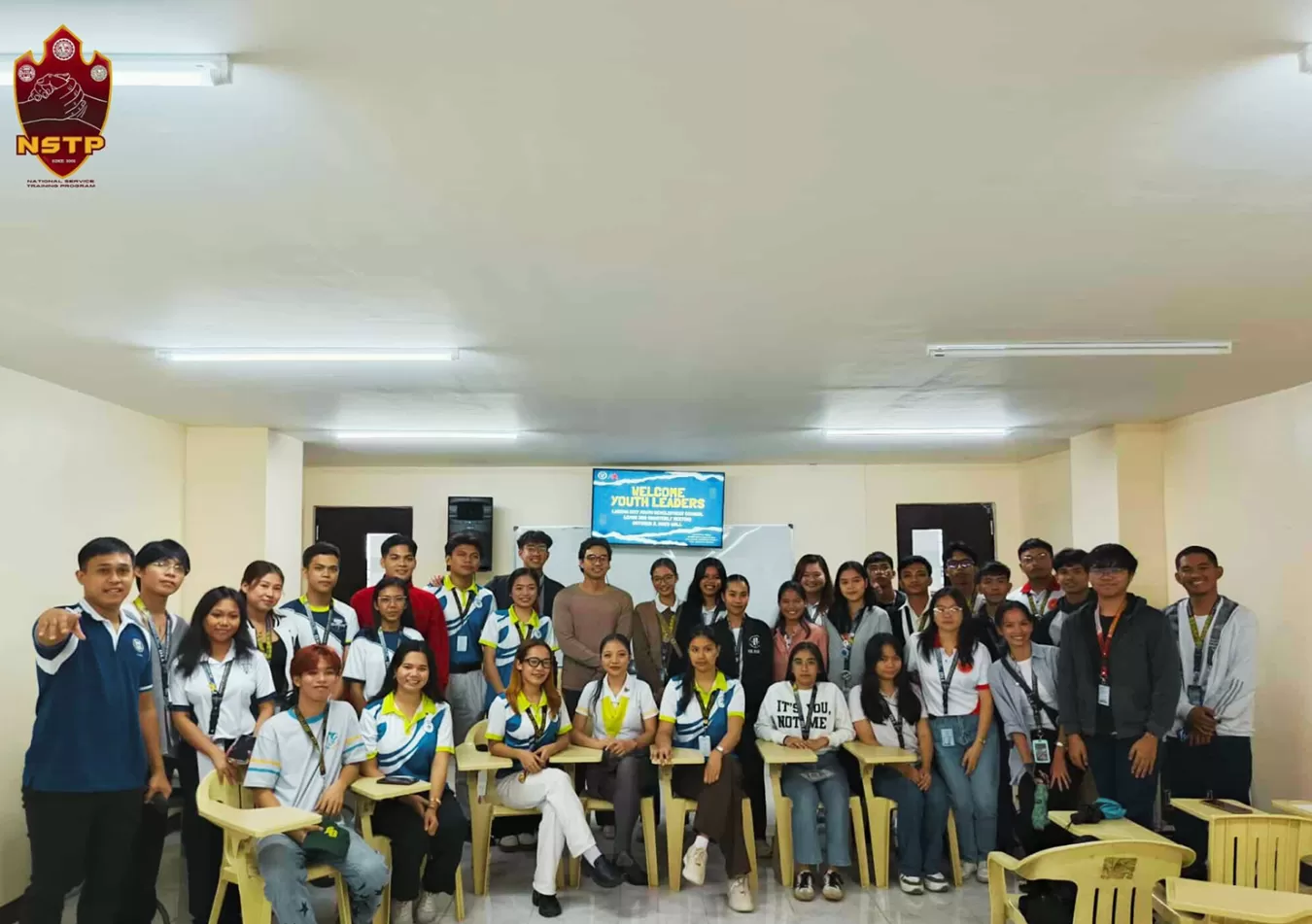
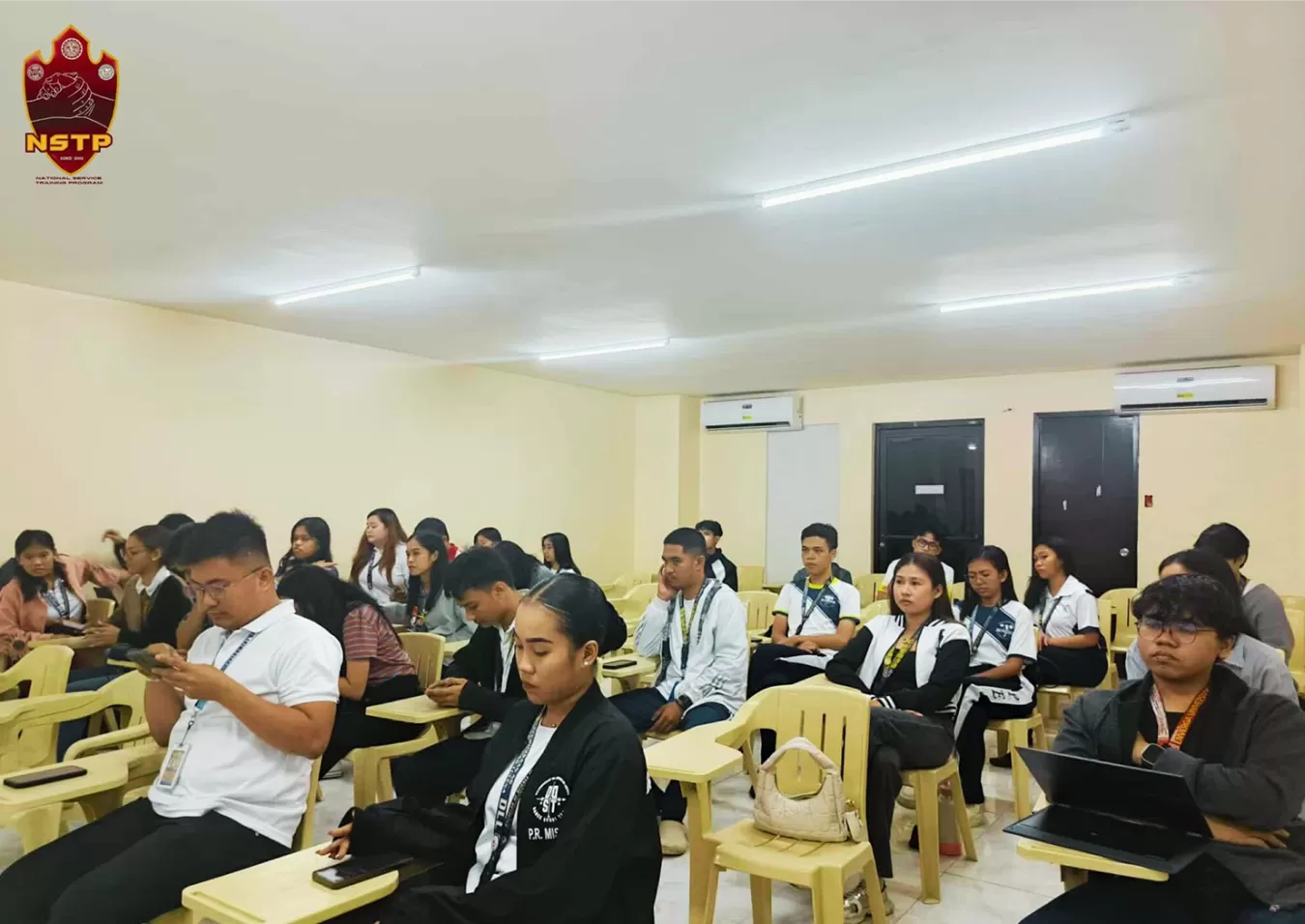
On Oct. 3, 2025, MSEUF NSTP-CWTS participated in the third quarterly meeting of the Lucena City Youth Development Office (LCYDO) at Dalubhasaan ng Lungsod ng Lucena.
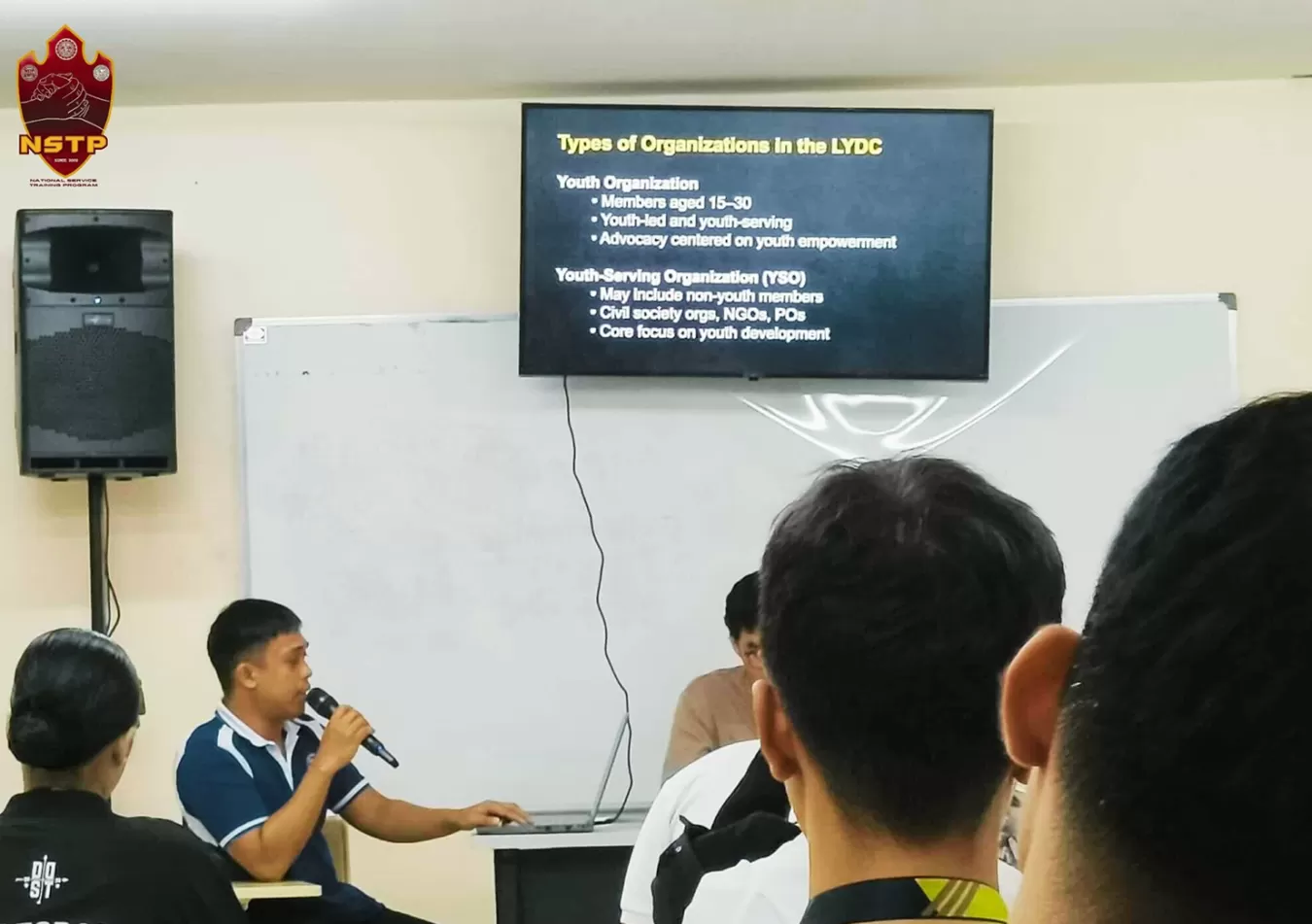
The meeting highlighted Section 25 of Republic Act No. 10742, or the Sangguniang Kabataan Reform Act of 2015, emphasizing the role of the Local Youth Development Council (LYDC) in promoting meaningful youth participation in local governance and development planning.
Participants also discussed the 10 Centers of Youth Participation and explored opportunities for young people from different sectors to contribute to community development and policy-making.
Representatives from participating organizations shared insights and proposed projects and programs for inclusion in the Lucena City Local Youth Development Plan (LYDP). The proposals sought to strengthen youth development, empowerment and welfare, particularly in the agriculture sector.
During the meeting, participants elected Nanz Mark Dionesio as an LYDC member representing the agriculture sector, strengthening youth representation in local development discussions.
MSEUF's participation supported collaborative youth development planning and reinforced the role of higher education institutions in promoting civic responsibility and community engagement.
 |
 |
 |
 |
Strengthening research collaboration for poverty reduction
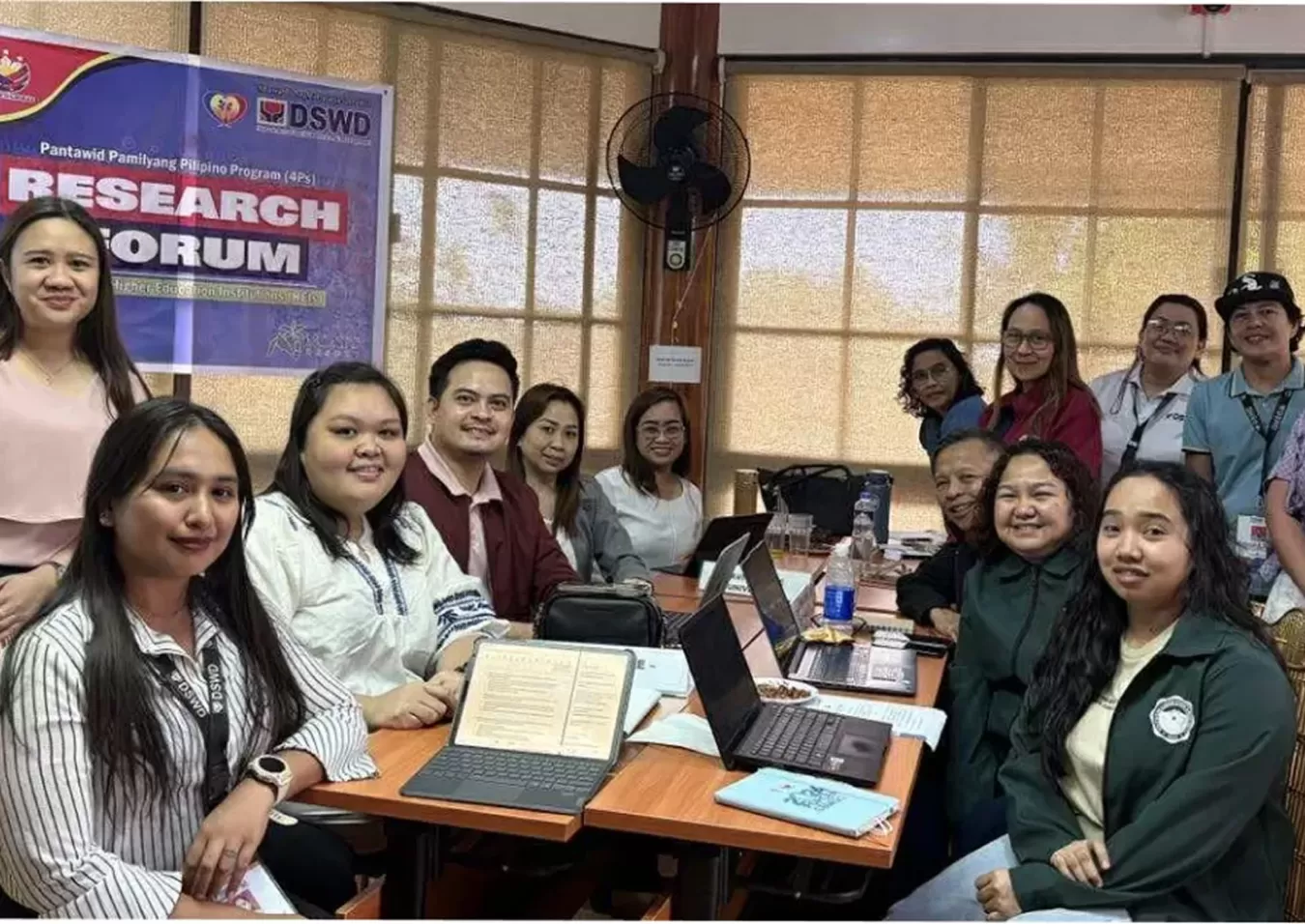
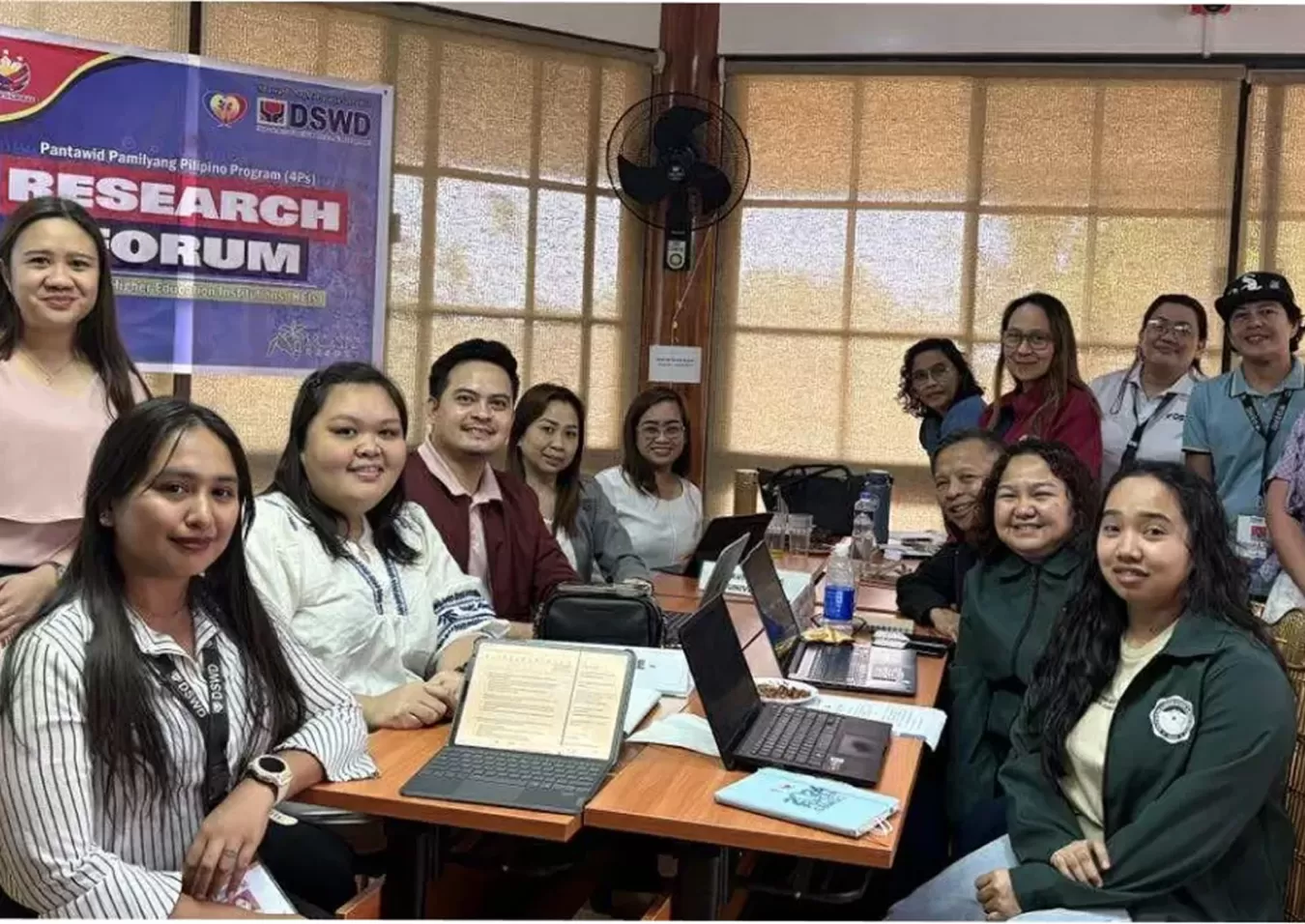
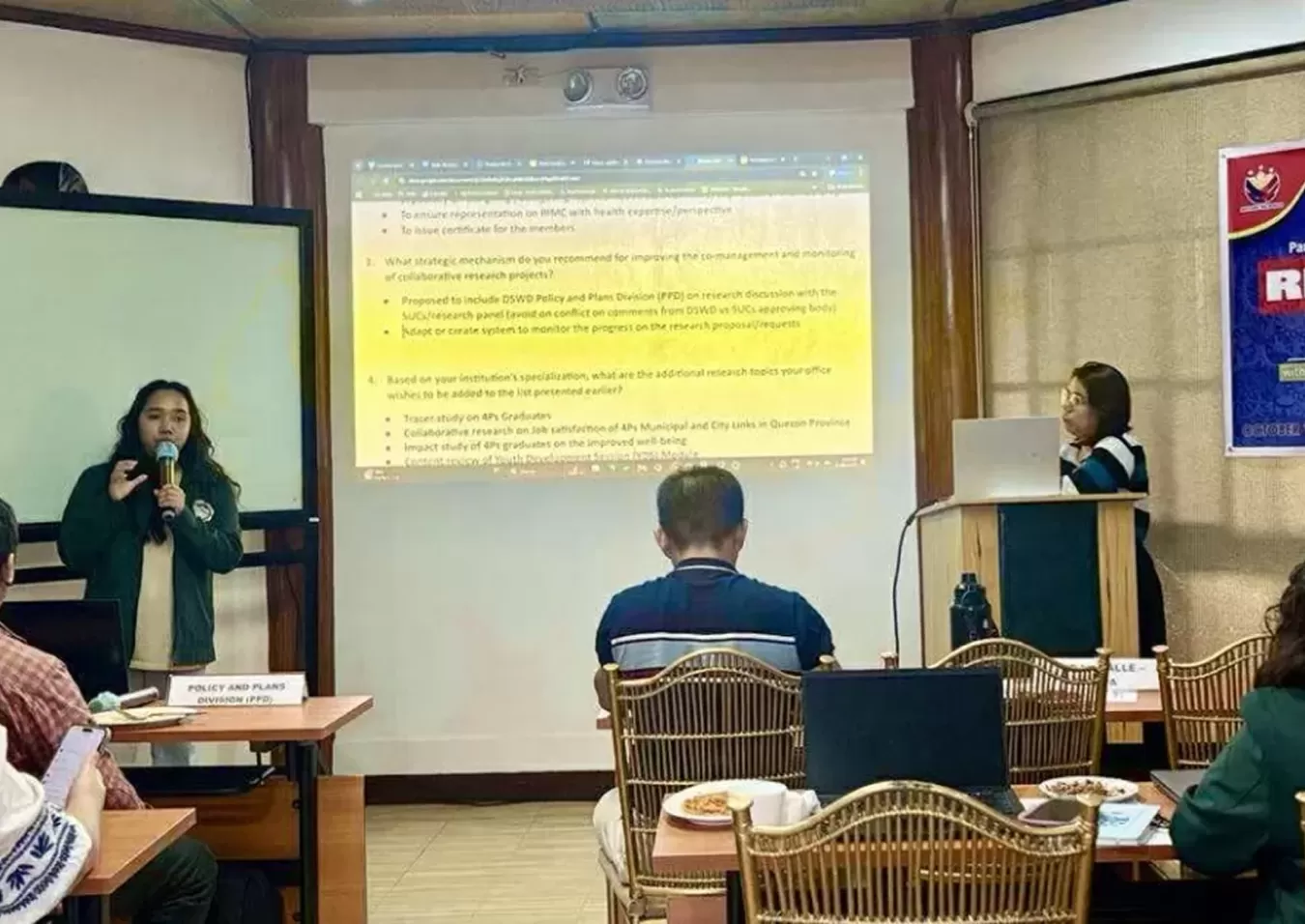
On Oct. 16, 2025, MSEUF joined the Department of Social Welfare and Development (DSWD) and partner higher education institutions at the Research Forum for Partner Higher Education Institutions at Noni's Resort in Alitagtag, Batangas.
The DSWD, through its Pantawid Pamilyang Pilipino Program (4Ps) Management Office–CALABARZON, organized the forum to strengthen research coordination and align academic initiatives with the 4Ps Research Agenda.
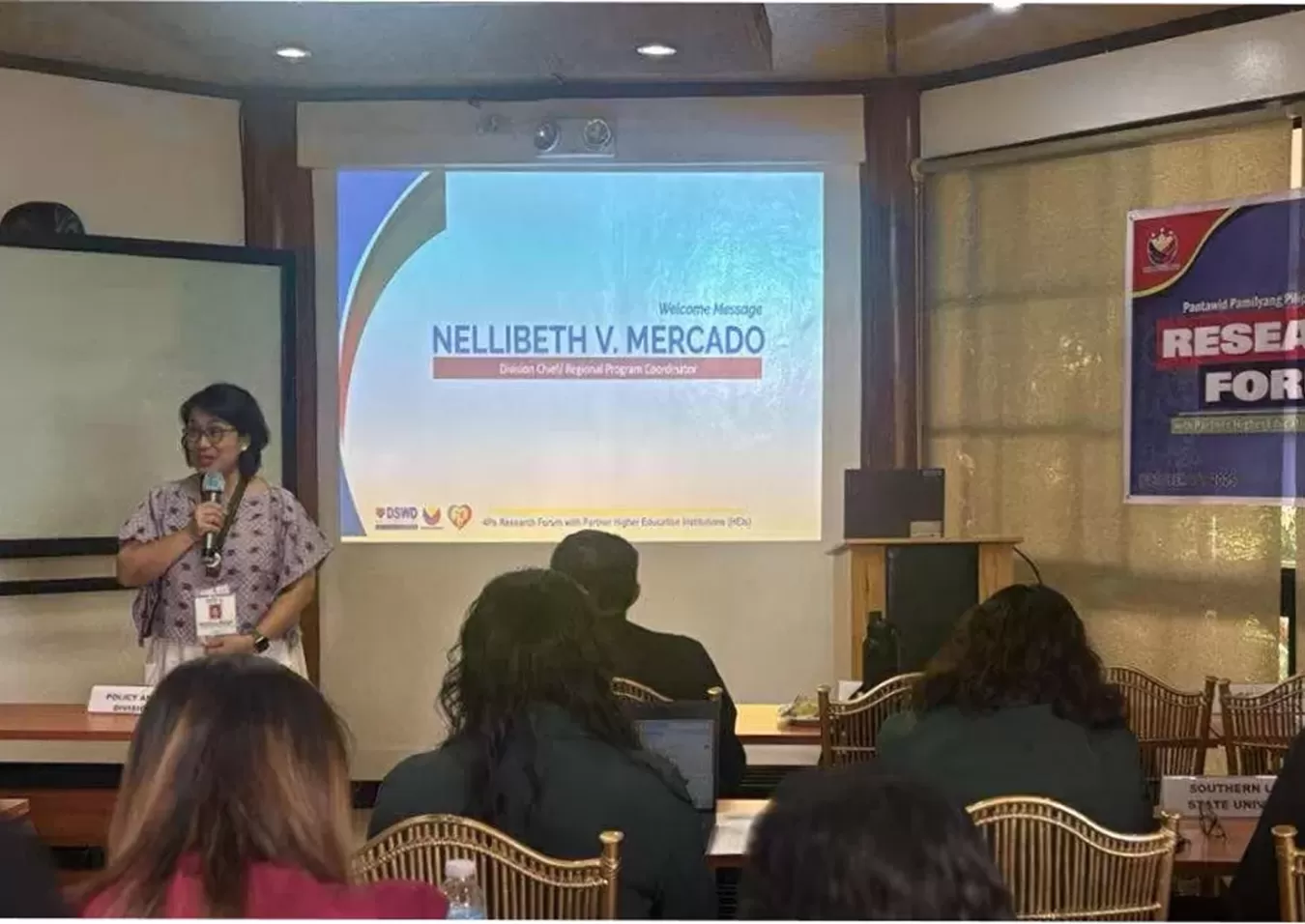
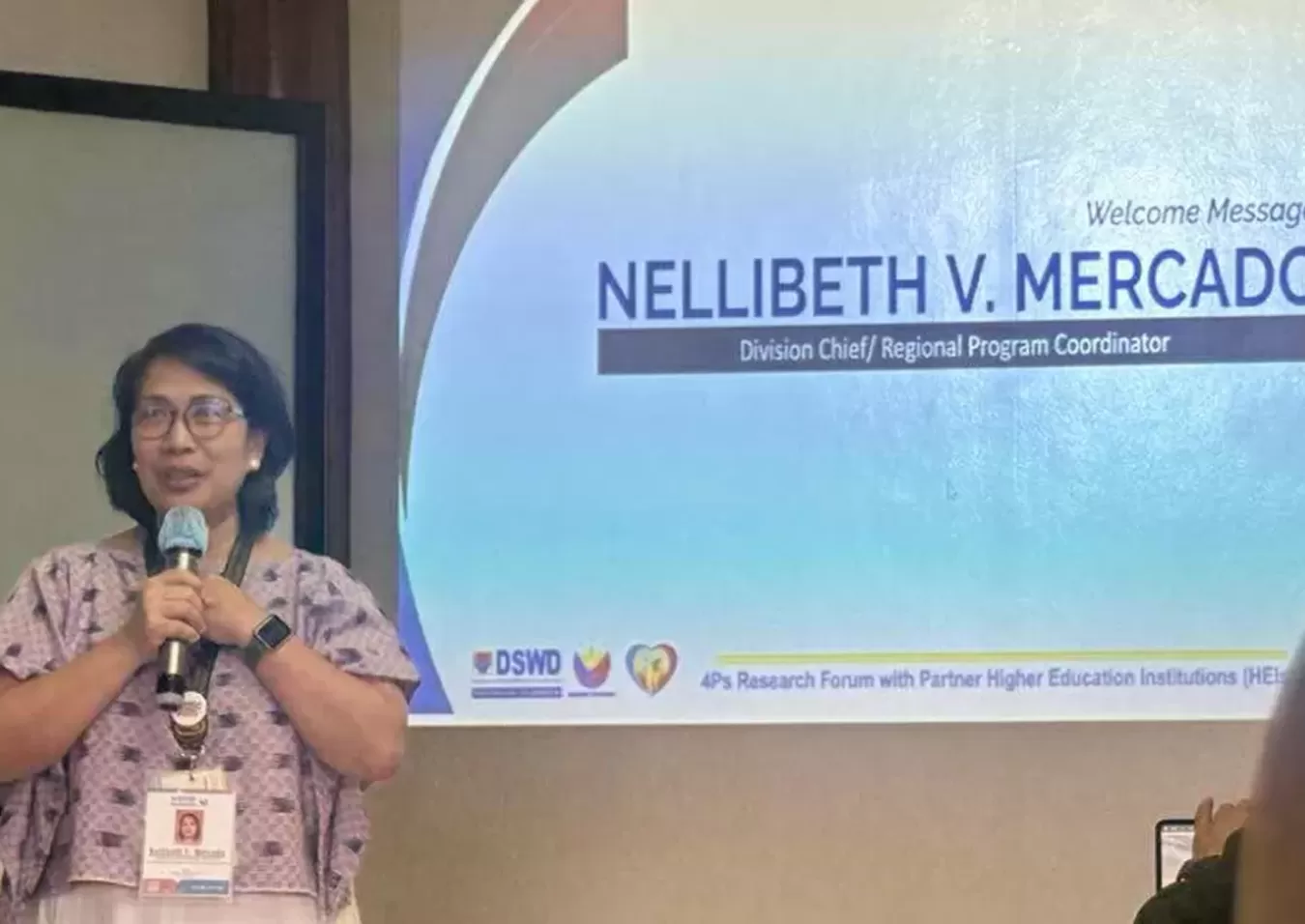
Dr. Milagrosa Lawas, community extension head, and Melba Sardea, community extension coordinator of the College of Architecture and Fine Arts, represented MSEUF. The forum also brought together DSWD division chief Nellibeth Mercado and representatives from the Polytechnic University of the Philippines' Unisan and Lopez campuses and Southern Luzon State University's Lucban and Tiaong campuses.
The participants discussed research mapping, alignment with the 4Ps Research Agenda and research protocols and guidelines. These discussions provided opportunities for academic institutions to connect their research engagements with government priorities and explore how research findings could inform social development programs and interventions.
The initiative demonstrated the importance of cooperation between academic institutions and government agencies in addressing poverty-related concerns through research-based approaches.
 |
 |
 |
 |
Promoting mental health awareness through I.C.A.R.E.
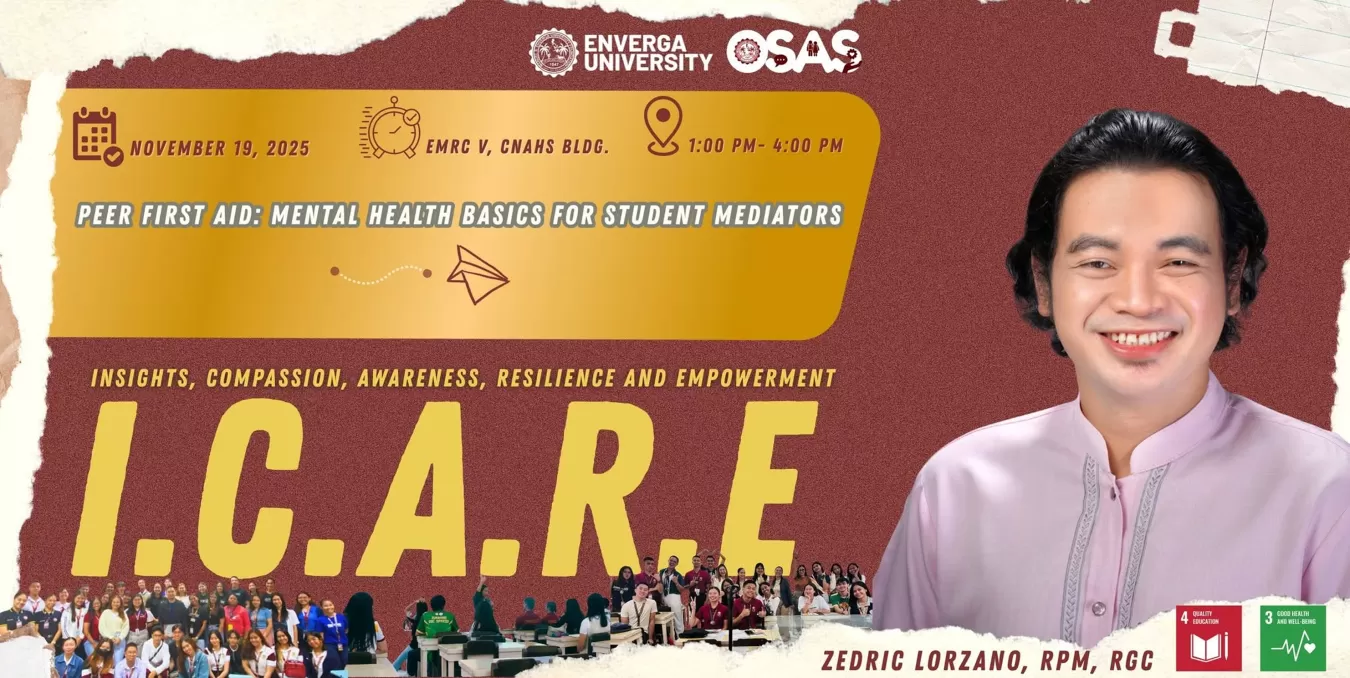
On Nov. 19, 2025, the MSEUF Office of Student Affairs and Services conducted I.C.A.R.E.: Insights, Compassion, Awareness, Resilience and Empowerment at EMRC V, College of Nursing and Allied Health Sciences Building.
The activity featured Zedric Lorzano, a registered psychometrician and guidance counselor, as resource speaker.
The initiative promoted awareness of mental health, compassion, resilience and personal empowerment as important aspects of individual well-being and a supportive learning environment.
Through I.C.A.R.E., MSEUF reinforced the importance of mental health education in building a healthy and resilient University community.
The initiative supported SDG 3: Good Health and Well-being and SDG 4: Quality Education by recognizing the relationship between mental well-being and an environment conducive to learning and personal development.
 |
Connecting institutional initiatives with the Sustainable Development Goals
These three initiatives demonstrated how MSEUF connects its educational programs, research engagements and student support services with sustainable development priorities.
The NSTP-CWTS engagement supported civic participation and inclusive local development planning. The DSWD research forum strengthened cooperation among government and academic institutions in addressing poverty-related research priorities. The I.C.A.R.E. activity promoted mental health awareness and student well-being.
Together, the activities reflected MSEUF's commitment to applying education, research and community service to the needs of individuals and communities.
Through these initiatives, the University continued to promote responsible citizenship, research-based development and holistic well-being while strengthening cooperation with stakeholders working toward a more inclusive and sustainable future.