


Manuel S. Enverga University Foundation (MSEUF) strengthens stakeholder engagement through established partnership procedures and collaborative planning activities that connect the University with government agencies, industries, and other external organizations.
Through the Enverga University Government, Academe and Industry Partnership (EUGAIP), the University maintains documented procedures for identifying external partners, establishing formal agreements, monitoring collaborative activities, and evaluating partnership outcomes.
These initiatives reflect MSEUF's commitment to transparent institutional processes, participatory engagement, and meaningful collaboration in support of education, workforce development, and community needs.
Establishing formal procedures for external stakeholder engagement
MSEUF implements EUGAIP, an institutional partnership framework administered through the Center for Scholarships, Career and Job Placement Services.
The program is governed by Operations Manual CSCJPS-OM-10.0 GAIP, Revision No. 1, with an effectivity date of July 2024.
EUGAIP establishes formal and legal partnerships with government agencies and industries to create opportunities for graduating students and alumni, particularly in developing 21st-century skills through industry immersion, on-the-job training, and employment opportunities.
The framework identifies three main phases of partnership management: establishment of linkages, monitoring of partnerships, and evaluation of partnership outcomes.
These procedures provide a structured approach to engaging external organizations and maintaining institutional accountability throughout the partnership process.
Identifying and establishing partnerships with government and industry stakeholders
Under EUGAIP, MSEUF identifies prospective government and industry partners through the exchange of letters of intent and the review of organizational documents.
Prospective industry partners undergo documentary evaluation, including the submission of applicable business permits, Securities and Exchange Commission registration, Department of Labor and Employment certification, and organizational profiles.
The Center for Scholarships, Career and Job Placement Services coordinates the initial process, while the Office of the Vice President for External Relations and Legal Counsel review the relevant documents and proposed Memoranda of Agreement or Understanding.
Following the review, the proposed partnership is endorsed to the Office of the President for approval.
Approved partnerships proceed to formal agreement signing and coordination of the agreed activities.
Through these procedures, MSEUF establishes clear responsibilities for identifying potential partners, evaluating their qualifications, and formalizing institutional collaboration.
Implementing collaborative activities that support student and graduate development
EUGAIP identifies several activities through which MSEUF and its external partners may collaborate.
These include industry immersion, on-the-job training, career talks, job fairs, job vacancy announcements, and authorized access to graduate employment information.
The activities are designed to connect academic preparation with workplace opportunities while supporting the development of professional competencies among graduating students and alumni.
The partnership framework also requires compliance with relevant policies of the Commission on Higher Education, Department of Labor and Employment, and National Economic and Development Authority, as well as Republic Act No. 10173, or the Data Privacy Act of 2012.
Through these provisions, the University provides procedures for coordinating external partnerships while observing applicable institutional and regulatory requirements.
Monitoring and evaluating stakeholder partnerships
MSEUF's EUGAIP framework extends beyond partnership establishment by prescribing procedures for monitoring and evaluation.
During the monitoring phase, the responsible office coordinates visits to government and industry partners, reviews compliance with partnership agreements, and prepares monitoring reports.
The evaluation phase involves assessing partnership outcomes, including their effects on students' knowledge, professional development, and relationships with partner organizations.
The operations manual also identifies the Partners Summit as a venue for partnership evaluation through assessment tools or focus group discussions.
Evaluation results are documented and shared with relevant colleges and University offices.
These mechanisms demonstrate MSEUF's documented approach to monitoring external partnerships, gathering feedback, and communicating evaluation findings within the institution.
The University also requires the responsible office to retain partnership implementation records for at least five years, after which they undergo review for archiving or disposal.
Engaging local stakeholders through collaborative strategic planning
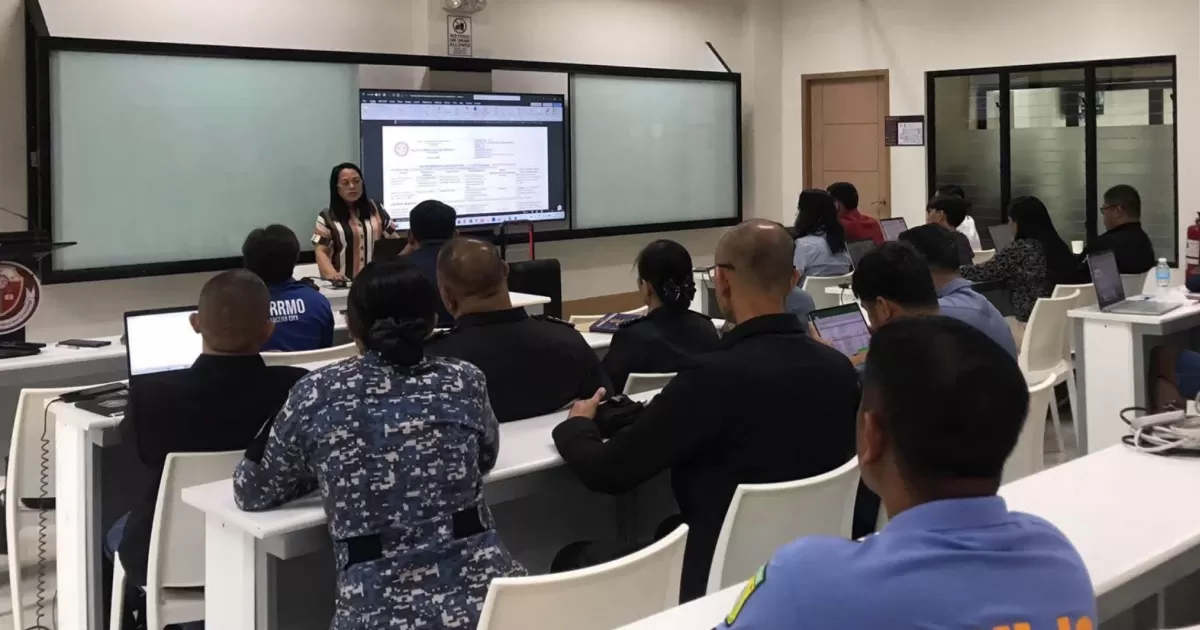
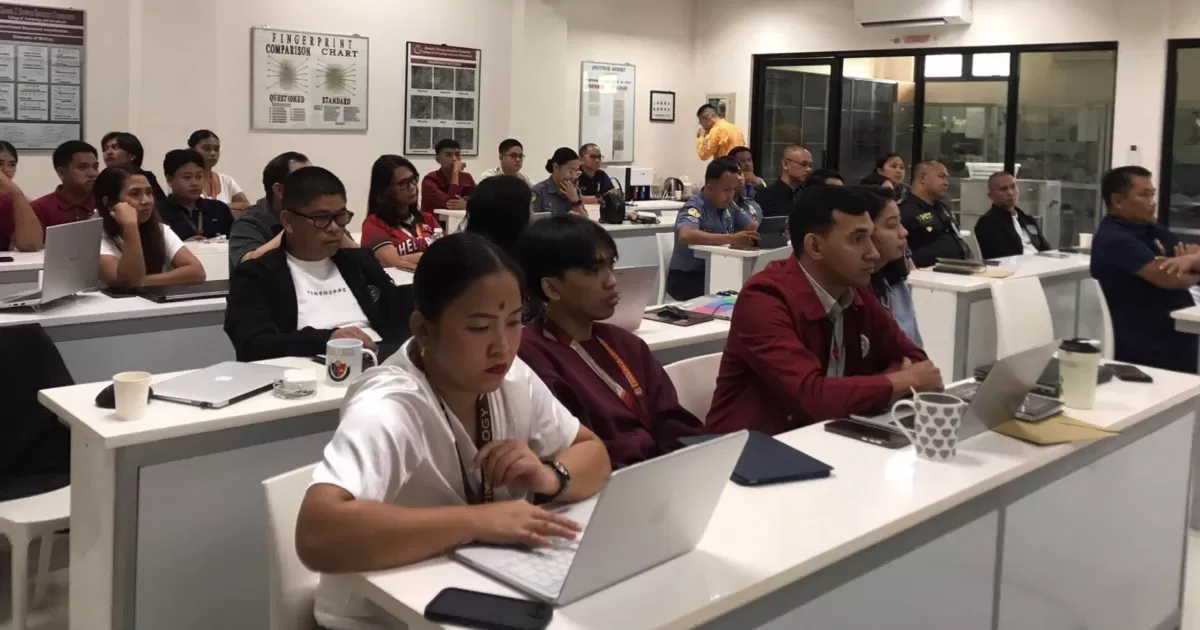
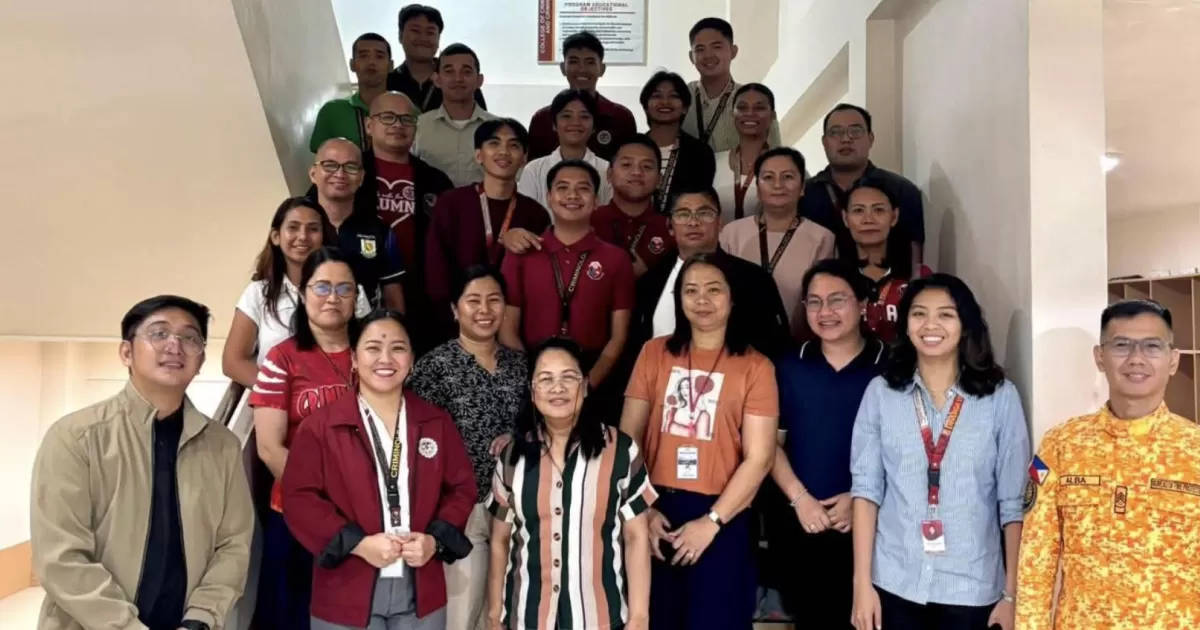
In December 2025, MSEUF documented a College of Criminal Justice and Criminology (CCJC) Strategic Planning Workshop involving University personnel and external stakeholders.
The University's photographic records show participants engaged in group discussions, collaborative meetings, and strategic planning activities.
The documented participation included individuals in law enforcement uniforms alongside University representatives, demonstrating engagement with participants from outside the academic institution.
The workshop provided a setting for institutional representatives and invited stakeholders to participate in planning discussions.
Although the photographs confirm that stakeholder engagement activities took place in December 2025, the available documentation does not specify the complete list of participating organizations, the planning agenda, the recommendations presented, or the decisions resulting from the activity.
An official workshop report would further establish how stakeholder contributions informed the College's institutional planning.
Strengthening transparency and accountability in stakeholder engagement
MSEUF's partnership procedures establish a framework for managing external institutional relationships through defined responsibilities and documented processes.
The EUGAIP framework identifies the procedures for initiating partnerships, reviewing requirements, securing institutional approval, monitoring implementation, and evaluating outcomes.
The University's December 2025 CCJC Strategic Planning Workshop provides a separate example of external stakeholder participation in institutional planning activities.
Together, these records demonstrate MSEUF's use of formal partnership management procedures and collaborative engagement activities.
The University's existing documentation primarily addresses government and industry partnerships. Additional records identifying other local stakeholder groups, including community organizations, residents, and civil society representatives, would further establish the breadth of its stakeholder identification and engagement practices.
 |
 |
 |
 |