

Manuel S. Enverga University Foundation (MSEUF) strengthened its commitment to climate action in 2025 through documented solar electricity generation, systematic monitoring of electricity consumption and continued investments in sustainable campus infrastructure in Lucena City, Quezon, Philippines.
Through its operational solar photovoltaic (PV) system at the Commerce, Engineering and Technology (CET) Building, the University generated renewable electricity while maintaining records of electricity purchased from its local distribution utility. These records provide measurable evidence of the University's renewable energy production and electricity requirements, supporting its efforts to monitor energy performance and integrate climate-related measures into institutional operations.
Renewable electricity generation at the CET Building
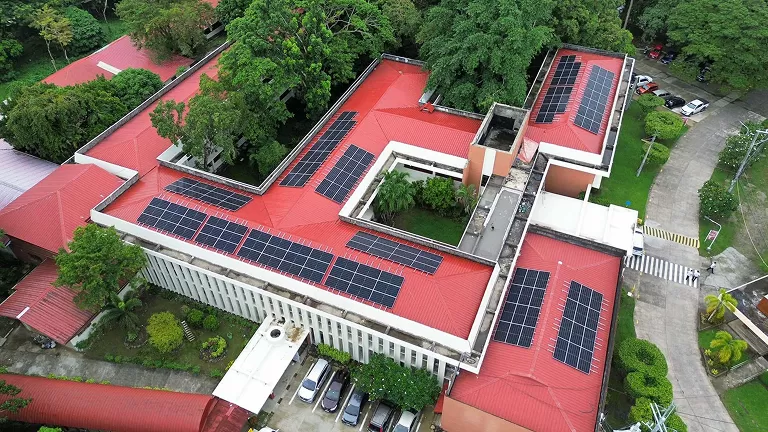
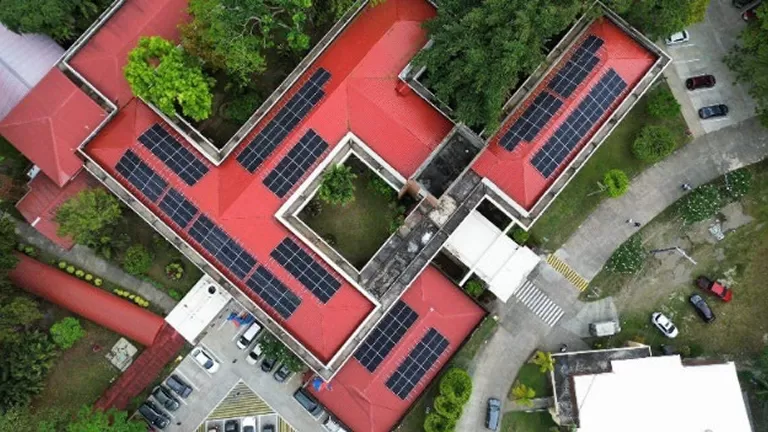
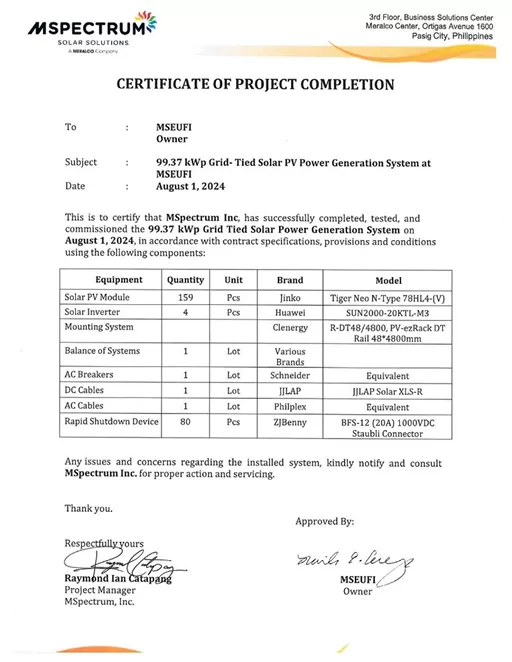
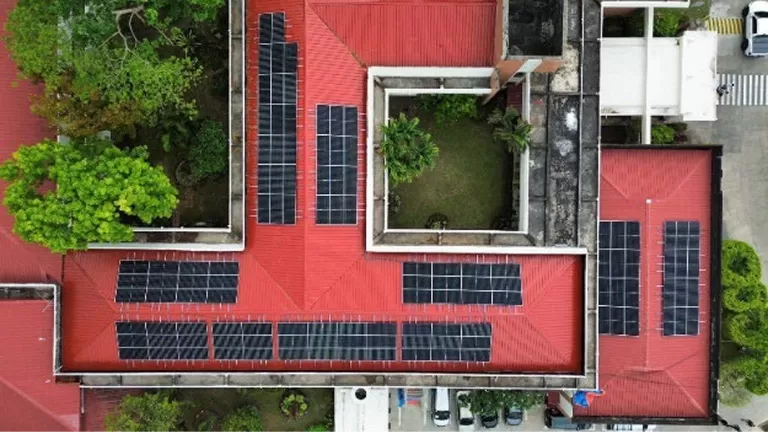
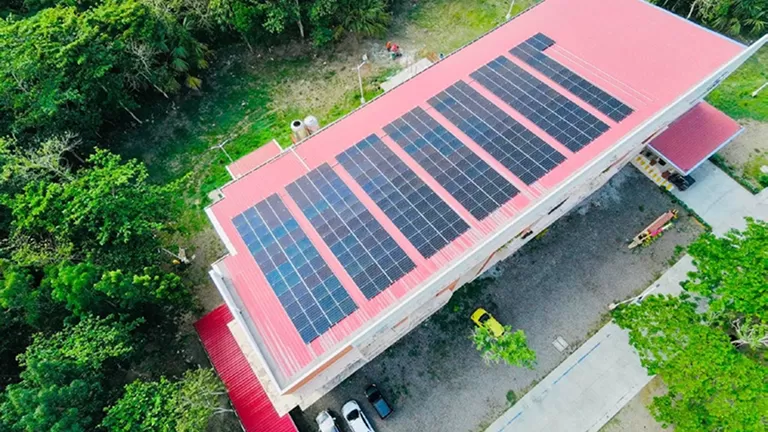
MSEUF invested in renewable energy infrastructure through the installation of a 99.37-kilowatt-peak (kWp) grid-tied solar photovoltaic system at the CET Building in 2024.
The installation provides an operational source of renewable electricity within the University. Its grid-tied configuration connects solar electricity generation with the existing electricity network, allowing renewable energy to contribute to the building's electricity requirements.
The solar PV system supports the University's efforts to reduce dependence on electricity purchased from the local distribution utility and strengthen the integration of renewable energy technologies into campus operations.
 |
 |
Measured solar electricity generation
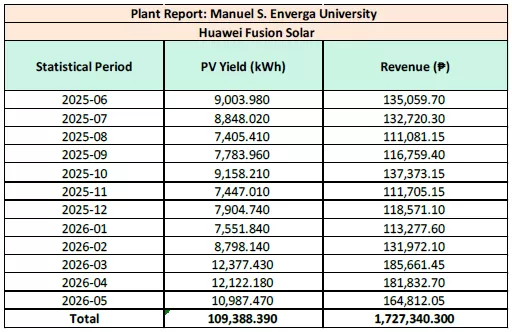
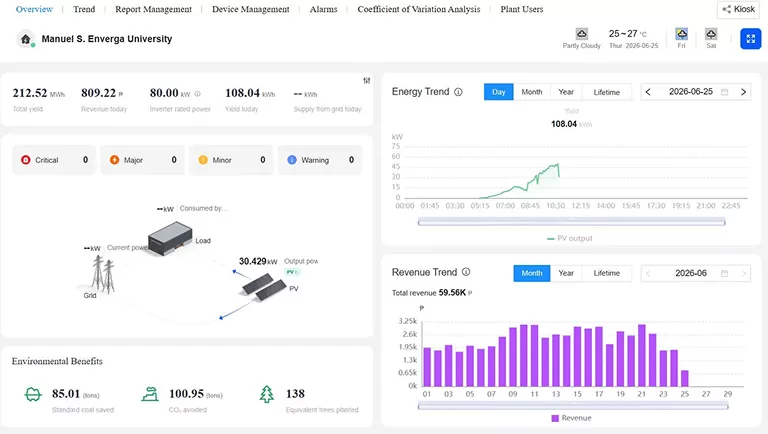
MSEUF monitors the CET solar PV system through the Huawei FusionSolar application, which records actual electricity generation and provides monthly production data.
According to the University's Huawei FusionSolar Plant Report, the system generated 109,388.39 kilowatt-hours (kWh) of electricity from June 2025 to May 2026.
For the available months within calendar year 2025, the monitoring report documented the following electricity generation:
| Month | Solar electricity generated (kWh) |
|---|---|
| June 2025 | 9,003.980 |
| July 2025 | 8,848.020 |
| August 2025 | 7,405.410 |
| September 2025 | 7,783.960 |
| October 2025 | 9,158.210 |
| November 2025 | 7,447.010 |
| December 2025 | 7,904.740 |
| Total, June–December 2025 | 57,551.330 |
The seven recorded months account for 57,551.33 kWh of renewable electricity generation, equivalent to approximately 207.18 gigajoules (GJ).
The subtotal was calculated from the monthly generation figures in the Huawei FusionSolar report. It represents documented production from June through December 2025 and does not include generation during January through May 2025.
The data establish actual renewable electricity production during the 2025 reporting year. However, because the source records report electricity generated rather than electricity consumed on-site, the figures are presented as generation data and not as a complete measure of the University's low-carbon energy use.
 |
The University also maintains documentation of the system's installation and monitoring arrangements, including the project's completion certificate and solar monitoring dashboard. These records support the traceability of the reported renewable electricity generation.
 |
Documented institutional electricity consumption
Alongside its renewable electricity generation records, MSEUF monitors electricity consumption through monthly billing statements and statements of account issued by its local electricity distribution utility.
The University maintains these records through its accounting documentation to track electricity requirements across its operations.
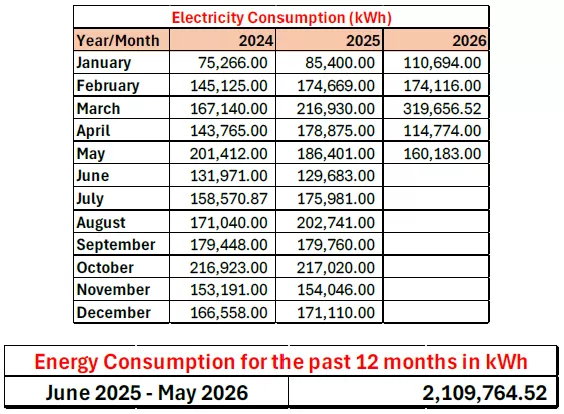
According to the University's electricity consumption report, MSEUF recorded the following annual electricity consumption:
| Reporting year | Electricity consumption (kWh) | Equivalent energy (GJ) |
|---|---|---|
| 2024 | 1,910,409.87 | 6,877.48 |
| 2025 | 2,072,616.00 | 7,461.42 |
Gigajoule values were calculated using 1 kWh = 0.0036 GJ.
The records establish 2,072,616 kWh, or 7,461.42 GJ, of purchased electricity consumption in 2025.
The University's report attributes the recorded consumption to the electricity supplied through the local distribution utility. These figures therefore document purchased electricity and should not be interpreted as total institutional energy use across all sources.
The available 2024 and 2025 records also provide comparative information for monitoring the University's electricity requirements and evaluating its energy management practices.
 |
Documented energy measurements relevant to Indicator 13.2.2
Indicator 13.2.2 of the THE Sustainability Impact Ratings 2027 assesses low-carbon energy use through two measurements: total energy used and energy used from low-carbon sources during the 2025 reporting year, both expressed in gigajoules.
MSEUF's available records establish the following measured components:
| Energy measurement | Quantity (kWh) | Equivalent (GJ) | Reporting period |
|---|---|---|---|
| Purchased electricity consumption | 2,072,616.00 | 7,461.42 | January–December 2025 |
| Solar photovoltaic electricity generation | 57,551.33 | 207.18 | June–December 2025 |
The electricity consumption figure was taken from the University's recorded utility consumption. The solar generation figure was calculated by summing the available monthly production records for June through December 2025.
These measurements demonstrate that MSEUF maintains documented records of purchased electricity consumption and renewable electricity generation.
The available records do not establish the University's complete total energy consumption for 2025, as they do not quantify all applicable energy sources, including university-controlled fuel consumption.
Likewise, the renewable energy records do not establish complete annual low-carbon energy use. The available Huawei FusionSolar report does not contain generation figures for January through May 2025 or identify the portion of generated electricity consumed on campus rather than exported.
Consequently, the documented solar generation and purchased electricity figures are presented separately. They are not used to calculate an institutional low-carbon energy consumption percentage.
Monitoring systems supporting energy accountability
MSEUF complements its energy consumption documentation with technologies that support monitoring and performance assessment.
The CET Building's solar PV system uses Huawei FusionSolar to document renewable electricity production, providing recorded monthly generation data.
The University's electricity consumption report also identifies monthly utility billing statements as the source of its purchased electricity records.
Together, these monitoring arrangements provide information that supports the University's efforts to track renewable electricity generation and purchased electricity consumption as distinct components of campus energy management.
The University's published Sustainability Policy Year-End Review also documented energy management initiatives, including energy audits and performance monitoring supported by its Certified Energy Manager.
These practices reinforce the University's commitment to incorporating energy monitoring into institutional sustainability management.
Continuing improvements in energy-efficient infrastructure
In addition to documenting renewable energy generation and electricity consumption, MSEUF continues to invest in technologies intended to improve the energy efficiency of its campus facilities.
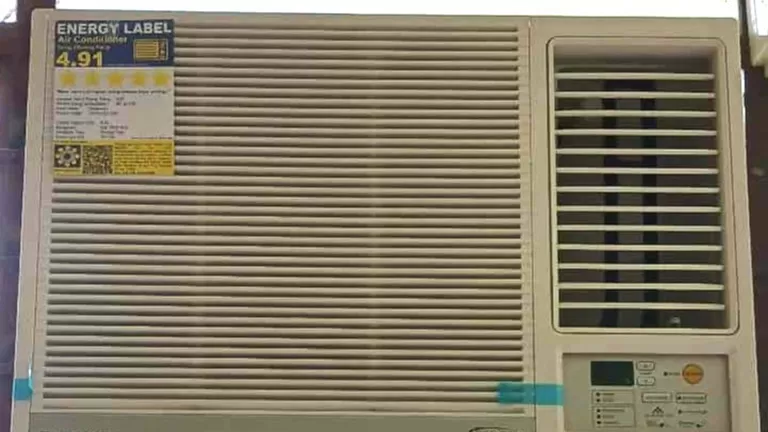
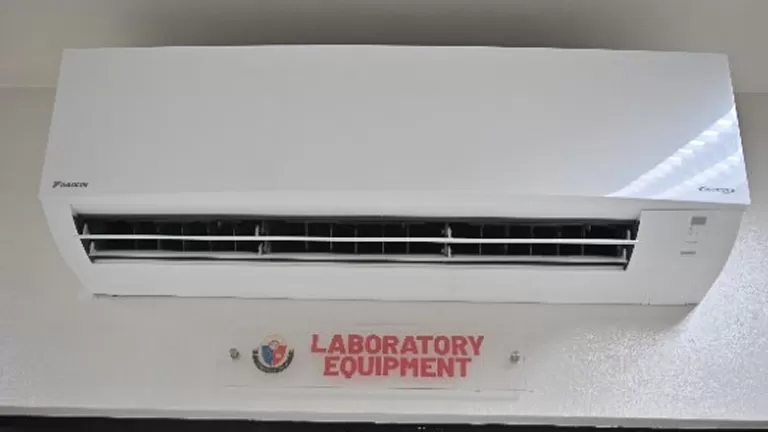
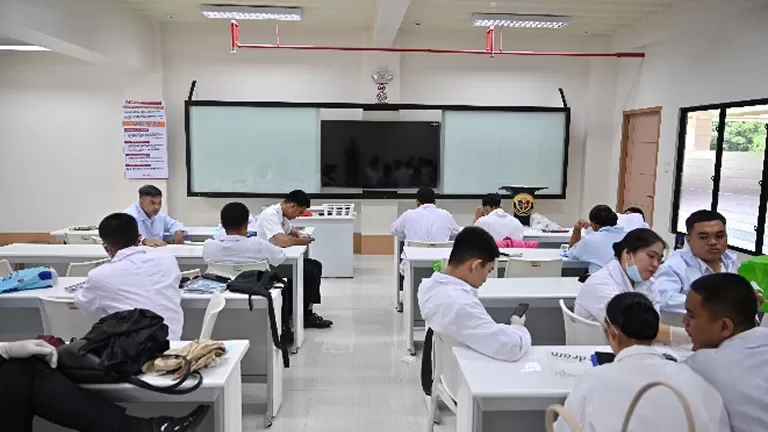
The University's energy-efficient appliance assessment dated June 18, 2026, documented an average 91.18% energy-efficient appliance utilization rate across lighting, air conditioning and audio-visual equipment.
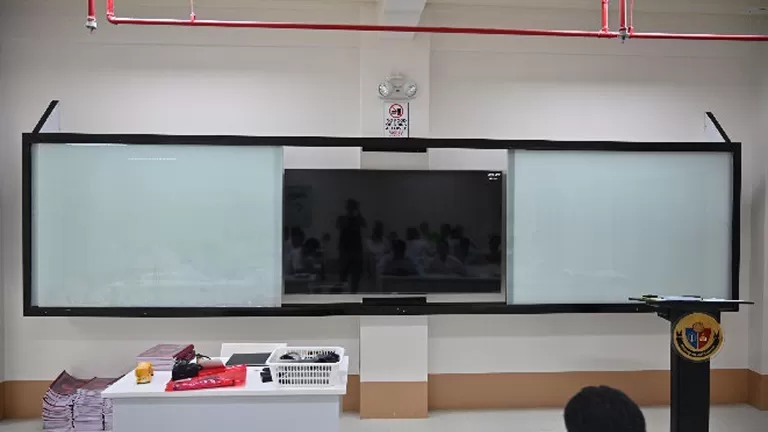
The assessment identified 7,503 energy-efficient lighting fixtures, 643 energy-efficient air conditioning units and 278 energy-efficient audio-visual equipment units.
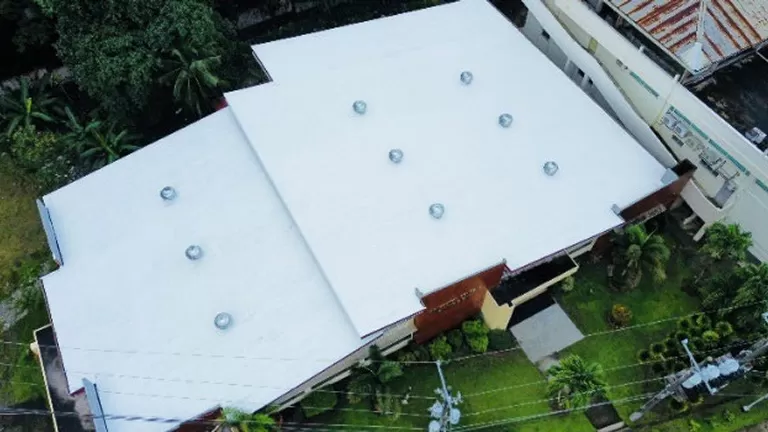
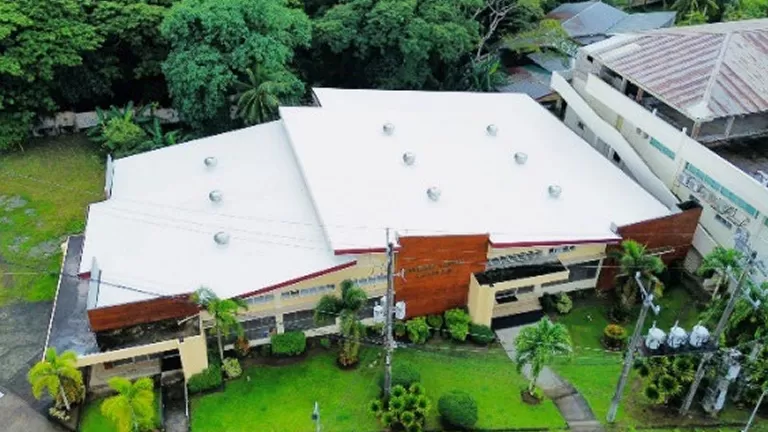
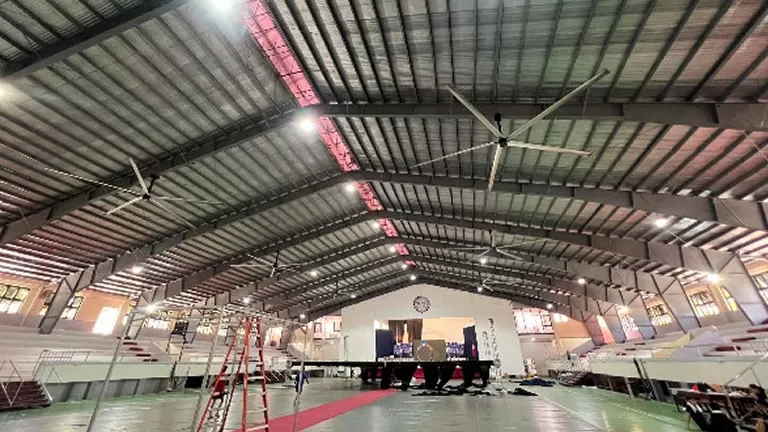
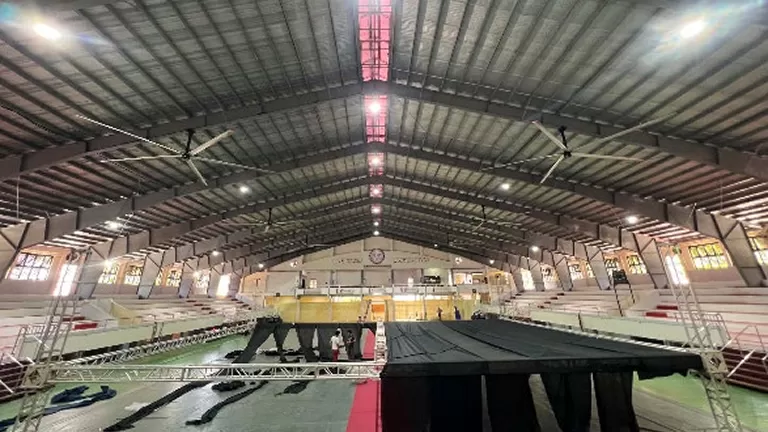
The University also completed an LED lighting upgrade at its Gymnasium in 2026 and documented passive energy-saving technologies, including power-free roof vents at the University Central Canteen.
These initiatives support efficient energy consumption and complement the University's renewable energy investments.
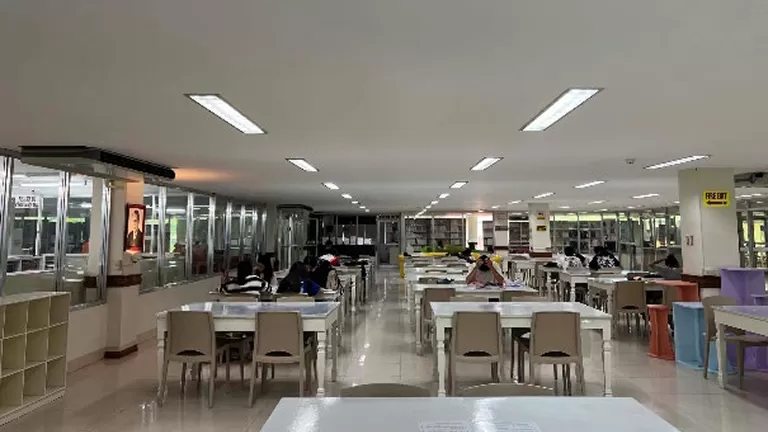
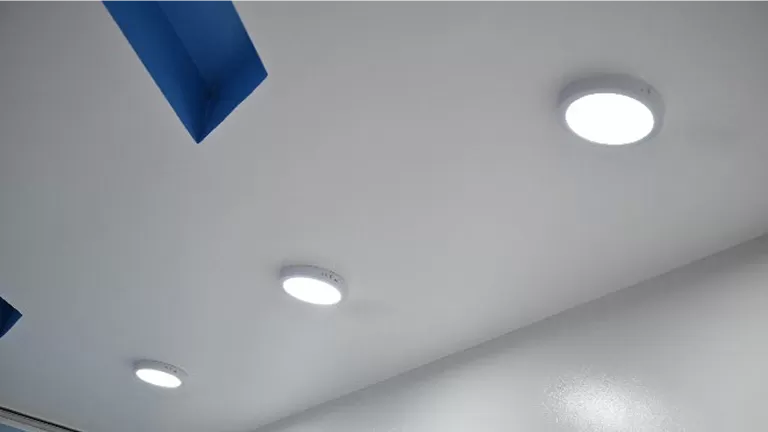
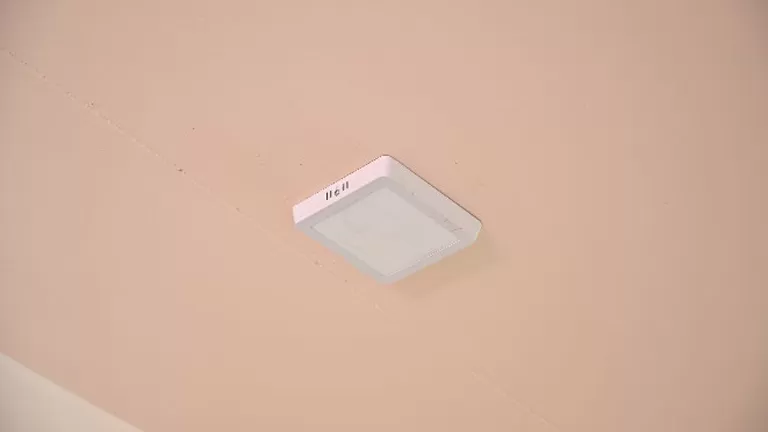
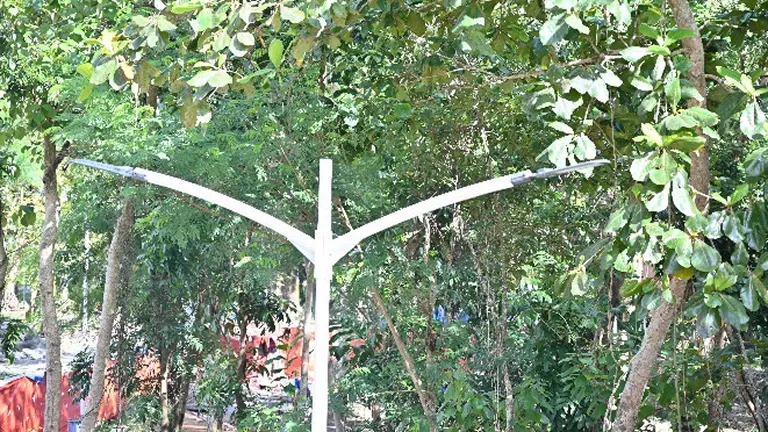
Use of energy-efficient LED Lights
 |
 |
 |
 |
Example of Airconditioning Units (ACU) with Energy Efficient 5- Star Rating and ACU with Inverter-Type Technology
 |
 |
Example of energy-efficient led television set installed at university classrooms
 |
 |
Power-free roof vents installed at the University Central Canteen
 |
 |
Energy-Efficient LED Lighting Upgrade for the University Gymnasium
 |
 |
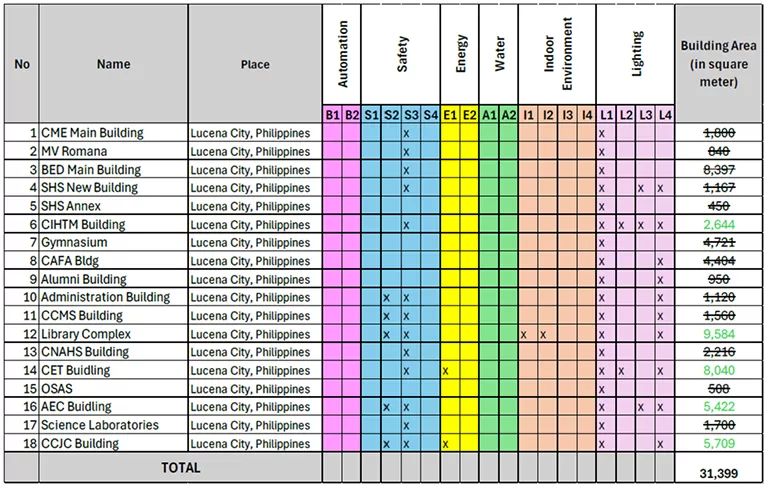
MSEUF also documented smart building technologies in five facilities: the Library Complex, CET Building, College of Criminal Justice and Criminology Building, College of International Hospitality and Tourism Management Building, and Arts and Education Building.
According to the University's smart building assessment, these facilities comprise 31,399 square meters, representing 51.28% of the University's total building area of 61,232 square meters.
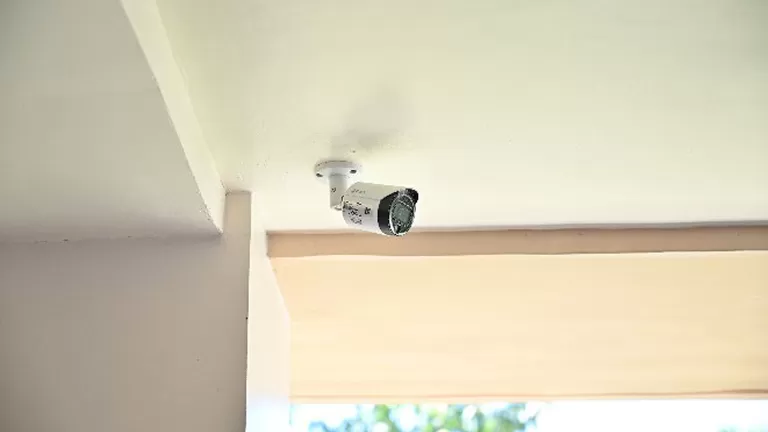
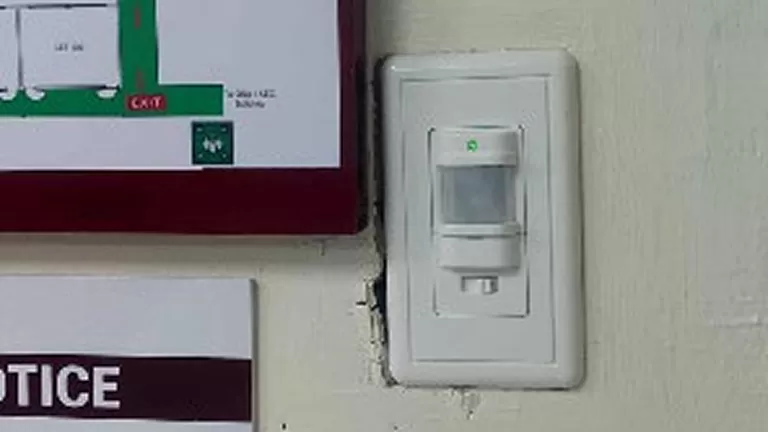
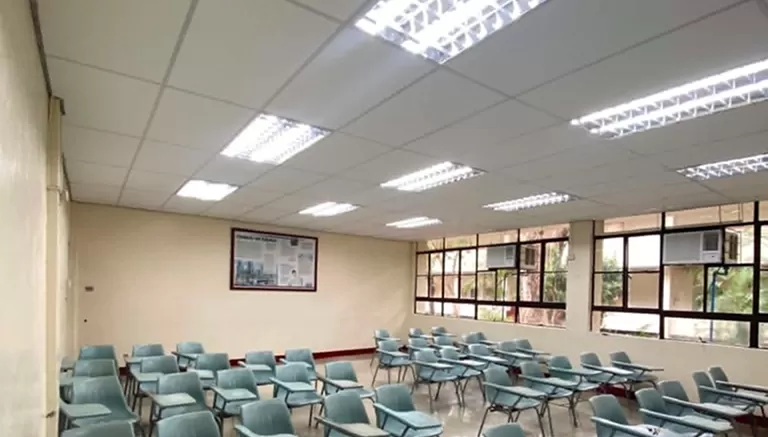
The documented technologies include energy monitoring systems, efficient lighting, automated controls, natural daylight utilization and other building features intended to improve operational performance.
 |
 |
 |
 |
 |
 |
Expansion of renewable energy infrastructure beyond 2025
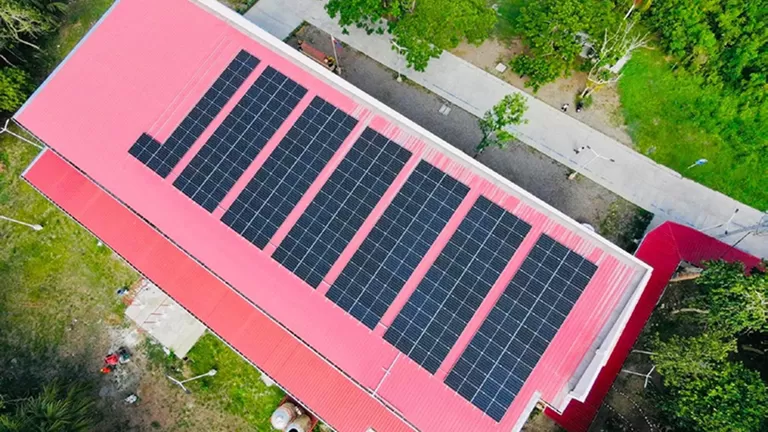
MSEUF continued developing its renewable energy infrastructure in May 2026 with the commencement of a 99.54 kWp hybrid solar PV installation and an 80 kWh Battery Energy Storage System at the College of Criminal Justice and Criminology Building.
The project was designed to provide renewable electricity while supporting energy reliability through battery storage.
The University's renewable energy report projects annual electricity generation of approximately 135,000 to 145,000 kWh for the system.
Because the project commenced in 2026, its projected performance does not form part of the University's documented 2025 renewable electricity generation figures.
The project nevertheless demonstrates the University's continued investment in renewable energy infrastructure and energy management technologies.
 |
 |
Institutional contribution to climate action
MSEUF's documented renewable electricity generation, purchased electricity consumption records and energy monitoring practices demonstrate its continued efforts to incorporate climate action into campus operations.
The CET Building's solar PV system provides measurable evidence of renewable electricity production, while the University's utility records establish documented electricity consumption for 2025.
These records support energy accountability and provide a foundation for assessing low-carbon energy performance as the University continues developing its renewable energy infrastructure.
The initiatives contribute to SDG 13: Climate Action, particularly Target 13.2, by integrating climate-related considerations into institutional infrastructure and energy management. They also support SDG 7: Affordable and Clean Energy through the adoption of renewable energy technology and energy-efficient equipment.
Through these efforts, MSEUF advances its core values of Mindfulness, Service and Excellence while promoting responsible resource management and sustainable institutional development.