

Manuel S. Enverga University Foundation (MSEUF) documented its low-carbon electricity generation through solar photovoltaic monitoring and institutional electricity consumption records in 2025 at its Lucena City campus, supporting measurable climate action and evidence-based energy management under Sustainable Development Goal (SDG) 13.
 |
 |
Tracking low-carbon energy through solar power generation
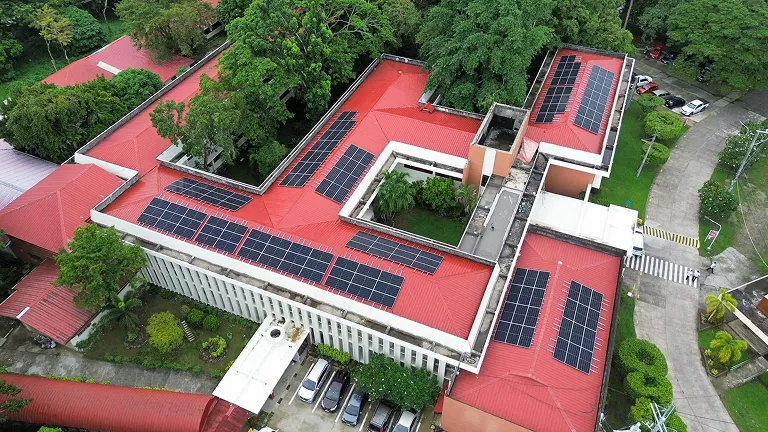
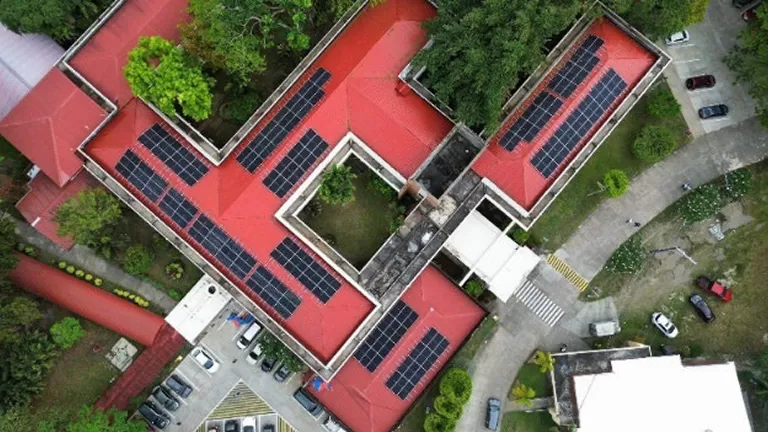
MSEUF operated a 99.37-kilowatt-peak (kWp) grid-tied solar photovoltaic system at the Commerce, Engineering and Technology (CET) Building, installed in 2024 as part of the University's renewable energy initiatives.
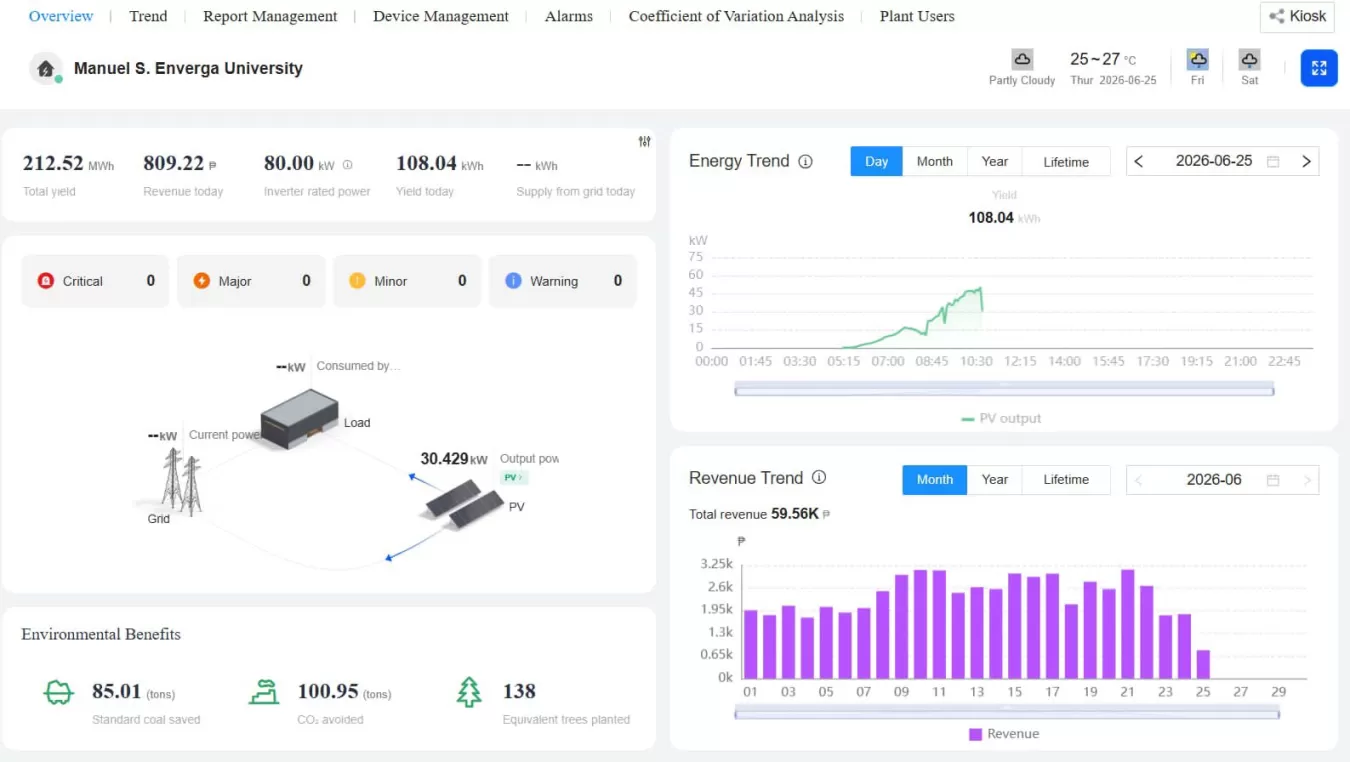
Beyond establishing renewable energy infrastructure, MSEUF monitored the actual electricity generated by the installation through Huawei's FusionSolar platform, which recorded photovoltaic energy yields and provided monthly generation data.
The system allowed the University to document measured renewable electricity output, establishing a quantitative record of its on-site low-carbon electricity generation.
 |
Documenting measured solar electricity generation in 2025
Based on the University's photovoltaic monitoring records, the CET solar installation generated 57,551.33 kilowatt-hours (kWh) of electricity from June to December 2025.
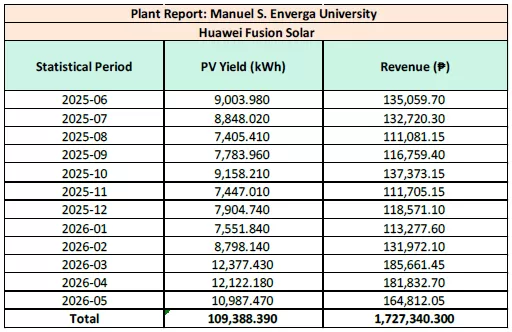 |
The monthly generation data demonstrate that MSEUF maintained quantifiable records of its renewable electricity production during the 2025 reporting period.
These measurements provide a verifiable basis for examining solar energy performance and supporting institutional reporting on low-carbon energy generation.
The records cover seven months of 2025 and should not be presented as a complete annual solar generation total.
Monitoring institutional electricity consumption
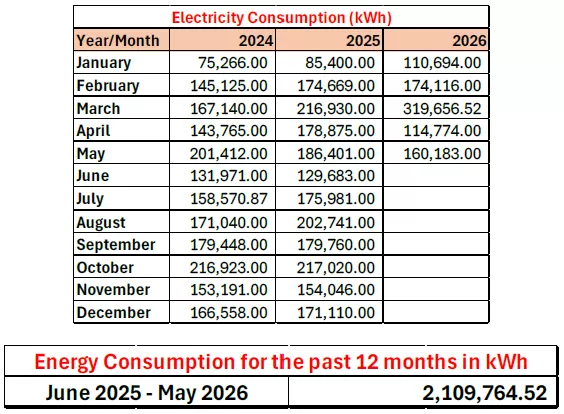
Alongside renewable energy generation tracking, MSEUF maintained monthly records of electricity consumption through official billing statements from its electric distribution utility.
The University's accounting records documented 2,072,616 kWh of purchased electricity consumption for calendar year 2025, providing a measurable record of grid electricity purchased for campus operations.
These records complemented the solar generation data and supported the University's monitoring of electricity requirements.
 |
By documenting solar generation and purchased grid electricity, MSEUF maintained complementary datasets that could support analysis of its energy requirements and the contribution of on-site renewable electricity.
These records also provided a basis for improving future energy monitoring and assessing opportunities for greater renewable energy utilization.
The purchased electricity figures and solar generation figures represent different measurements. Confirming the precise amount of low-carbon electricity used on campus requires additional information on any energy exported to the grid and the monitoring coverage of other sources.
Supporting low-carbon energy tracking through campus energy management systems
MSEUF complemented its renewable electricity monitoring with energy management technologies incorporated into its campus infrastructure.
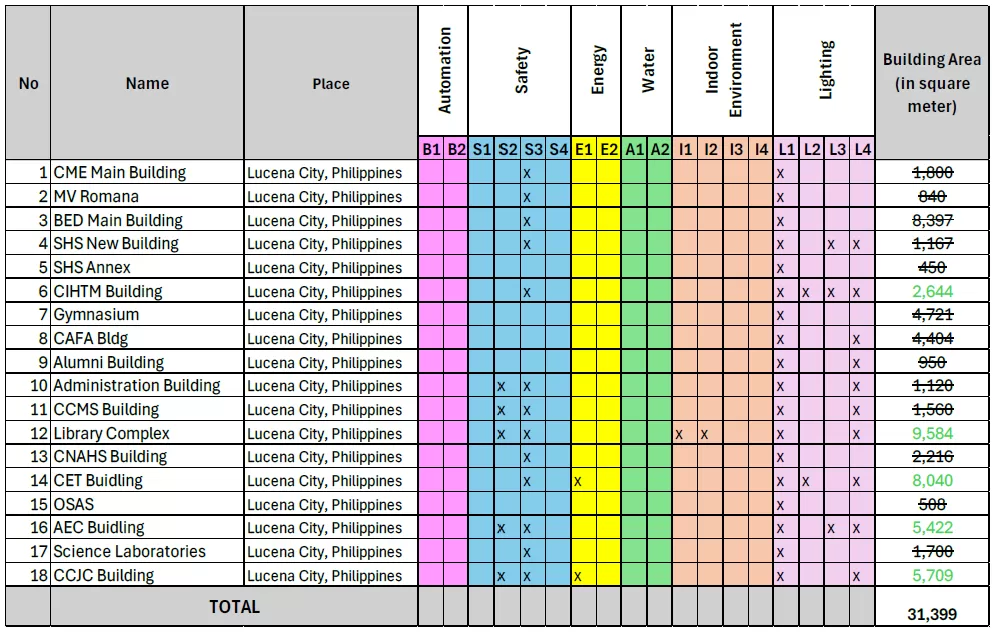
The CET Building formed part of the University's smart building initiatives, which included energy-related technologies and operational systems intended to support more efficient building management.
The University's documented smart building assessment identified energy management features at the CET Building, providing additional institutional evidence of its investment in monitoring and managing building energy performance.
 |
The University's documented electricity generation records, purchased electricity consumption data, and energy management infrastructure reflect its efforts to integrate measurable energy information into campus operations.
Together, these systems and records establish a foundation for strengthening institutional energy inventories and supporting future assessments of low-carbon energy use.
Advancing institutional climate action through data-driven monitoring
MSEUF's low-carbon energy monitoring activities support its institutional commitment to carbon neutrality by 2040.
Under its net-zero commitment, the University identified renewable energy adoption, greenhouse gas measurement, energy audits, and sustainability reporting as components of its long-term climate action strategy.
The recorded performance of the CET solar photovoltaic system represents a measurable contribution to this institutional approach.
Rather than relying solely on the installation of renewable energy equipment, MSEUF maintained documentation of actual energy generation and campus electricity consumption that can inform future energy management decisions.
Supporting SDG 13.2.1: Low-carbon energy tracking
The University's energy monitoring practices directly address Indicator 13.2.1 of the Times Higher Education Sustainability Impact Ratings, which assesses the measurement of low-carbon energy used across university operations.
During the 2025 reporting period, MSEUF documented measurable electricity generation from its CET solar photovoltaic installation through Huawei FusionSolar and maintained monthly electricity consumption records through institutional accounting and utility billing statements.
The available evidence establishes tracking of an on-campus low-carbon electricity generation source, supported by records of purchased electricity and documented energy management infrastructure.
While these records demonstrate operational monitoring, further verification of campus-wide measurement coverage and actual low-carbon electricity use would strengthen the University's evidence for the indicator.
Through renewable electricity monitoring, documented energy records, and continued institutional energy management, MSEUF advances its commitment to transparent sustainability reporting and measurable climate action.