


Manuel S. Enverga University Foundation (MSEUF) supports sustainable campus development through the adaptive reuse of existing buildings and facilities, transforming previously developed spaces into functional environments that respond to the University's academic and institutional needs.
By repurposing established structures, MSEUF demonstrates an approach to campus development that makes use of existing infrastructure while recognizing the importance of responsible land use and resource management.
These initiatives reflect the University's commitment to sustainable infrastructure development and the continued improvement of its learning environment.
Transforming an existing convent and dormitory into an academic facility
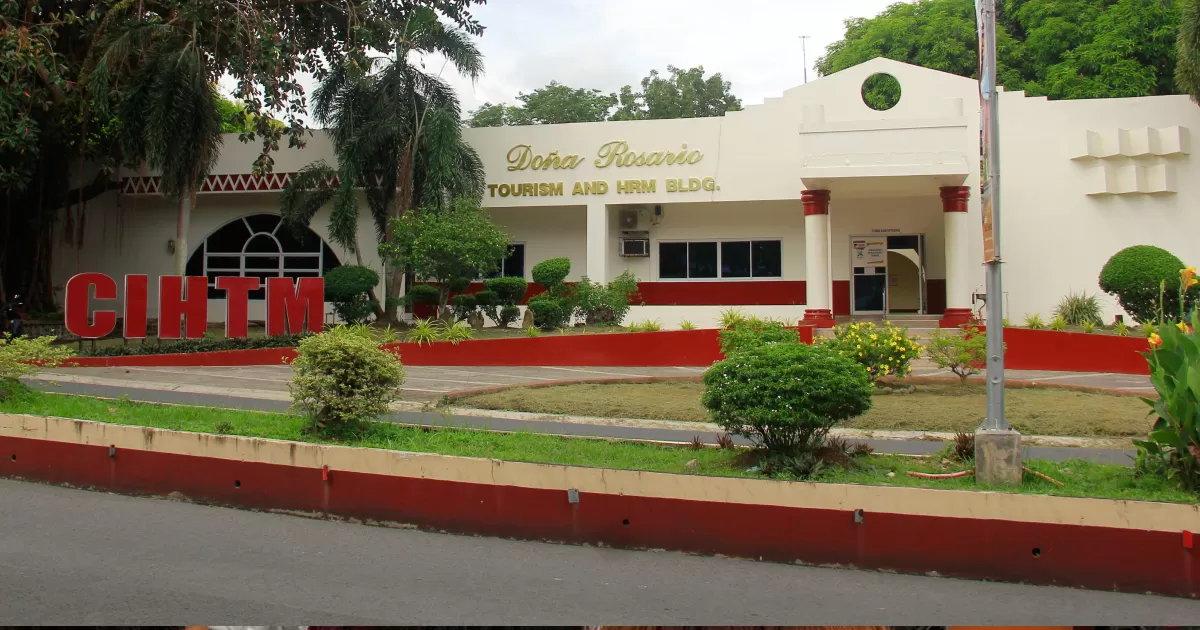
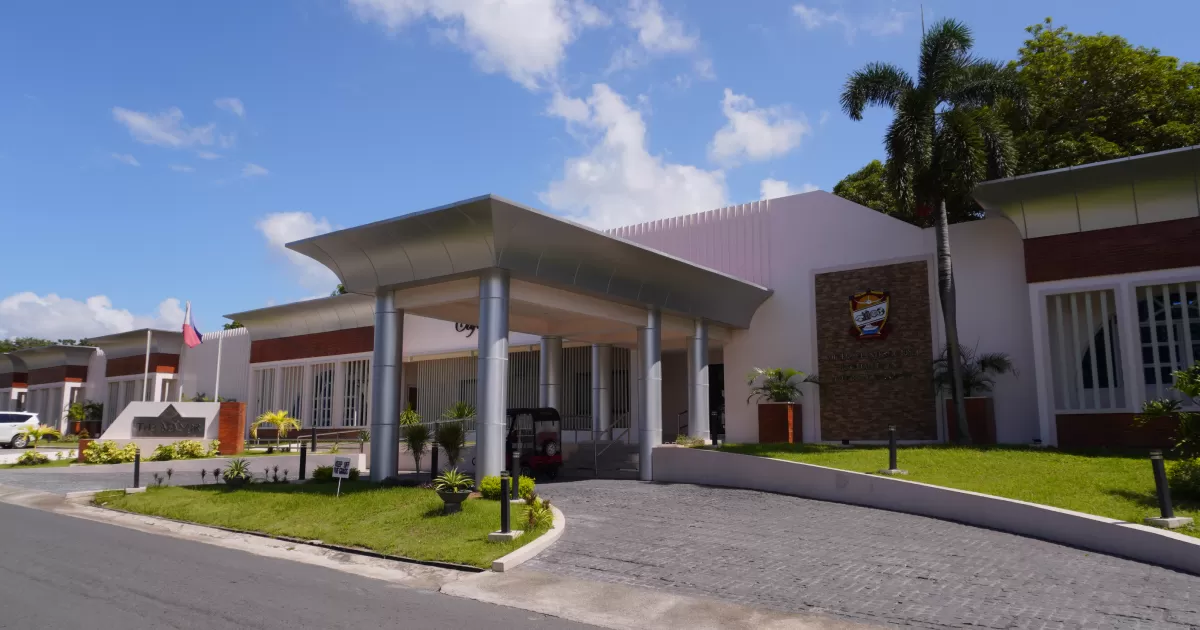
One example of adaptive reuse at MSEUF is the College of International Hospitality and Tourism Management (CIHTM) Building, which previously served as a Dominican convent and student dormitory.
The University repurposed the existing structure into an academic facility supporting hospitality and tourism education.
The transformation demonstrates how previously occupied buildings can be adapted to accommodate new academic functions rather than being replaced by entirely new structures.
Through this initiative, MSEUF continued using an established campus facility while responding to the changing infrastructure requirements of its academic programs.
The University's Nov. 9, 2024, institutional report documented the building's former and current uses, establishing that the adaptive reuse had already taken place before the 2025 reporting year.
Repurposing existing campus spaces
MSEUF also documented changes in the functions of its former school canteen and student lounge.
The University's published report identified the former school canteen as a space previously used as a student lounge and study area.
These changes illustrate how existing facilities have served different purposes in response to evolving campus requirements.
By adapting previously occupied spaces, the University demonstrates an approach to facilities management that considers the continued use of established infrastructure.
Supporting responsible land use through adaptive reuse
The reuse of existing buildings offers universities an opportunity to accommodate institutional development within previously occupied areas.
At MSEUF, the transformation of the former Dominican convent and student dormitory into the CIHTM Building provides a documented example of adapting a previously developed structure for educational use.
The University's changes to the former school canteen and student lounge further illustrate the use of established campus facilities for different functions.
Adaptive reuse can contribute to more responsible land management by reducing the need to develop additional sites. It may also help extend the useful life of existing structures and retain elements of their institutional history.
However, the available documentation does not quantify reductions in construction waste, resource consumption, land conversion, or environmental emissions resulting from these developments.
Maintaining sustainable infrastructure development practices
MSEUF's documented adaptive reuse initiatives demonstrate its recognition of existing buildings as resources that can support changing educational and operational needs.
The conversion of a former residential and religious facility into an academic building reflects the University's approach to accommodating new institutional functions within previously developed infrastructure.
Through the continued use of established campus spaces, MSEUF supports a development approach that considers existing facilities alongside future infrastructure requirements.
While the University's published report identifies these examples of adaptive reuse, additional planning and redevelopment records would help establish whether brownfield redevelopment forms part of a formal institutional land-use policy.
 |
 |
 |
 |