


Manuel S. Enverga University Foundation (MSEUF) strengthened its commitment to sustainable campus development through the construction of academic facilities and the integration of energy efficiency and environmental considerations into its institutional infrastructure planning.
Guided by its Sustainability Policy, the University established priorities for improving building performance, adopting recognized green building standards, and incorporating energy-efficient technologies into campus development.
These initiatives reflect MSEUF's commitment to creating learning environments that respond to academic needs while supporting responsible resource management and long-term environmental sustainability.
Expanding academic infrastructure to support quality education
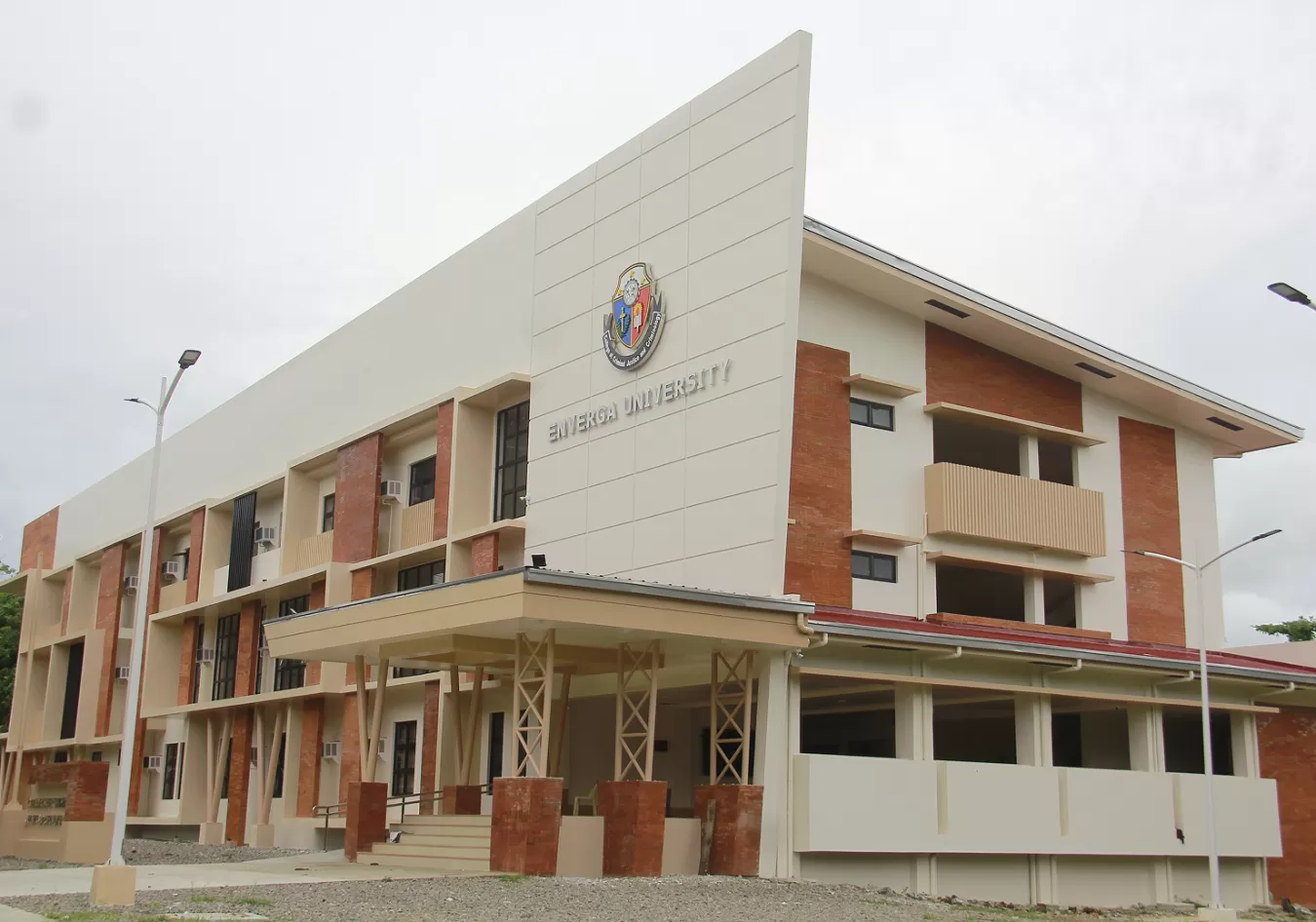
MSEUF inaugurated its three-story College of Criminal Justice and Criminology (CCJC) Building, providing additional facilities for the College's academic activities.
 |
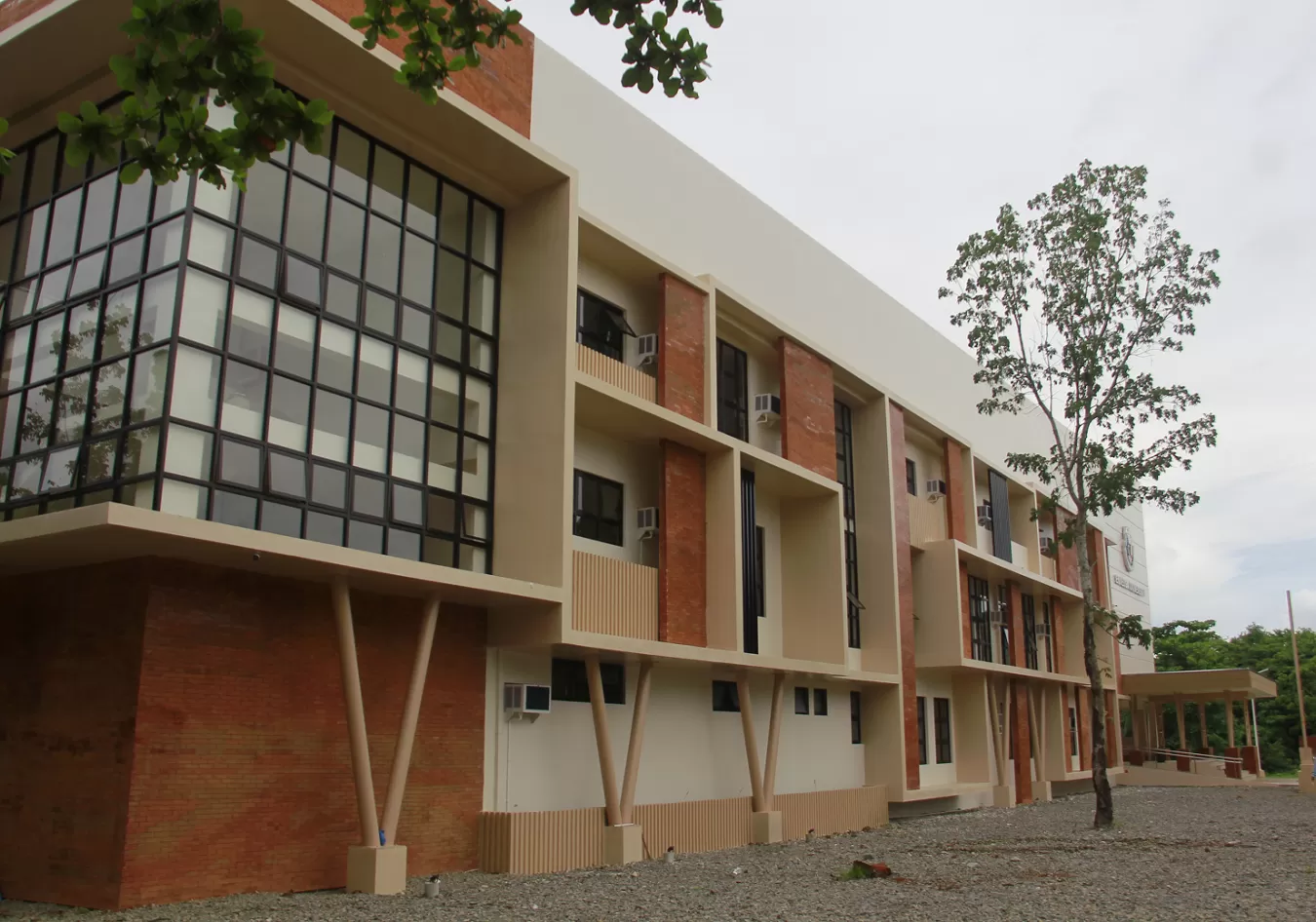 |
The inauguration marked an important development in the College's continuing growth and its commitment to preparing students for professional careers in criminal justice and criminology.
During the ceremony, Executive Vice President Dr. Benilda Villenas described the building as a space dedicated to knowledge, justice, and the development of future leaders.
The facility represented the University's investment in infrastructure designed to accommodate academic instruction and institutional development.
MSEUF's affiliate institution in San Antonio, Quezon, inaugurated a new senior high school building with six classrooms.
The additional classrooms expanded the institution's available teaching spaces and provided facilities intended to support the learning needs of its students.
Together, these developments demonstrated MSEUF's continuing investment in educational infrastructure.
However, the published inauguration reports do not specify whether the buildings were designed, constructed, or certified according to recognized sustainable building standards.
Integrating sustainability into institutional infrastructure planning
MSEUF's Sustainability Policy, first implemented in August 2022, identifies Energy-Efficient Renovation and Building as one of the University's core sustainability priorities.
The policy provides an institutional framework for considering energy performance and environmental responsibility in the development and improvement of campus facilities.
MSEUF conducted its Sustainability Policy Year-End Review, led by University Certified Energy Manager Engr. Mark Nel Inojosa.
The review established priorities and proposed initiatives for 2025, including the adoption of green building standards, smart building technologies, and energy management practices.
Through these initiatives, the University sought to strengthen its approach to sustainable infrastructure development and improve the environmental performance of its buildings.
Pursuing recognized green building standards
As part of its 2025 sustainability roadmap, MSEUF identified plans to pursue membership with the Philippine Green Building Council (PGBC) and the Facilities Maintenance and Organization of the Philippines (FMOP).
The initiative aimed to strengthen the University's understanding and adoption of recognized standards and practices for sustainable and energy-efficient infrastructure.
Engagement with professional organizations involved in green building and facility management can provide opportunities for knowledge sharing, technical guidance, and benchmarking.
These efforts form part of MSEUF's approach to integrating sustainability principles into construction, renovation, and facilities management.
The published roadmap establishes the University's intention to pursue recognized green building practices. Additional documentation is necessary to confirm whether the proposed memberships were completed and which specific standards were applied to construction projects during 2025.
Improving building performance through smart technologies
The University's sustainability roadmap also identified the expansion of smart building technologies as a priority for improving energy efficiency.
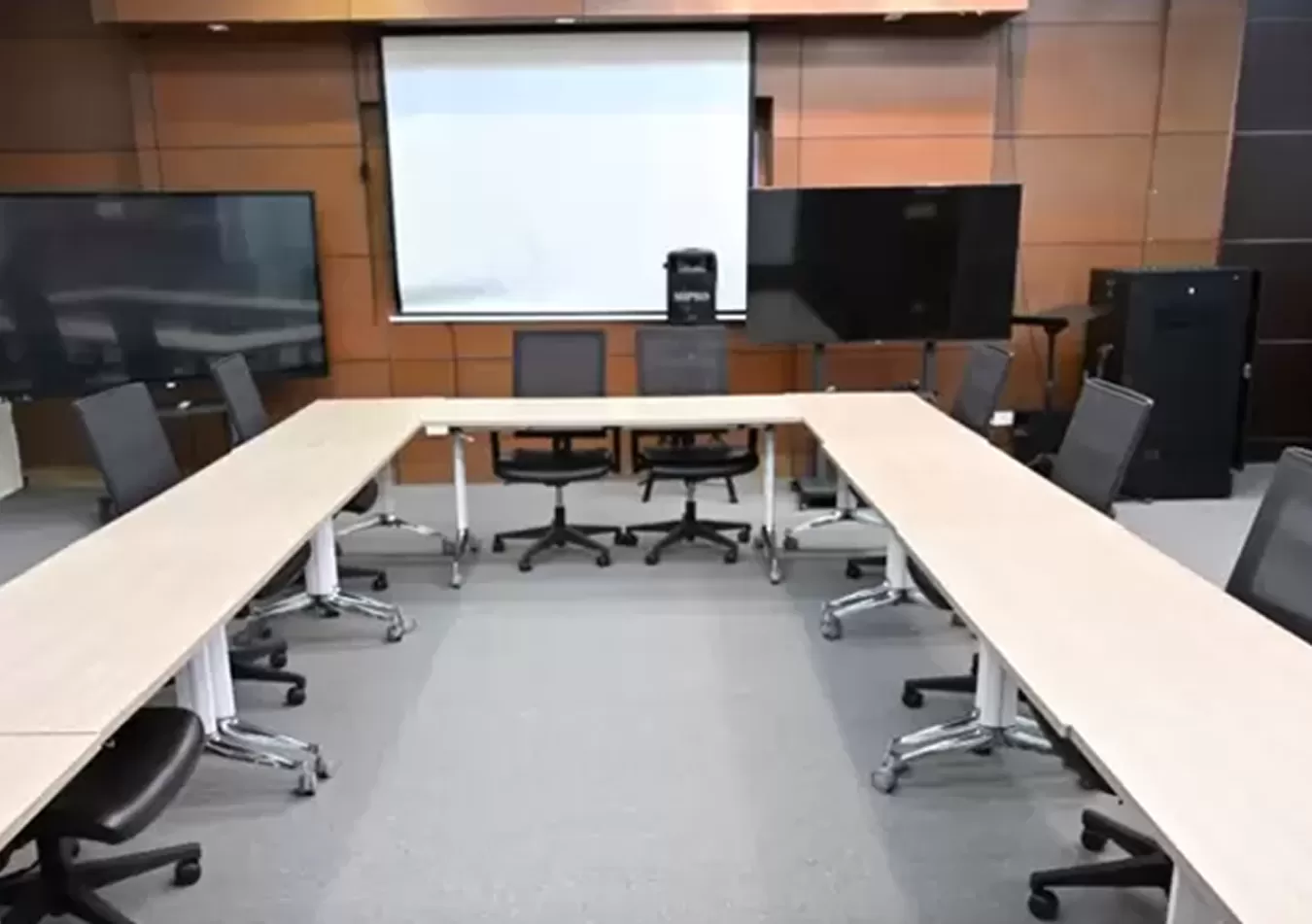
One proposed initiative involved expanding smart sensor systems within the Commerce, Engineering and Technology (CET) Building to support automated lighting, heating, ventilation and air-conditioning (HVAC), and occupancy monitoring.
These systems were intended to improve energy management by allowing building operations to respond more effectively to actual usage and demand.
The roadmap also identified the continued use of energy monitoring technologies to support more informed decisions concerning electricity consumption.
By pursuing these technologies, MSEUF established priorities for improving the management and operation of existing campus facilities.
However, the available planning documents do not independently confirm the completion of all proposed smart building installations during 2025.
 |
 |
 |
Strengthening energy management and building efficiency
MSEUF also identified energy audits and building performance assessments as components of its sustainability initiatives.
The University's December 2025 roadmap documented internal energy reviews led by its Certified Energy Manager to identify areas of excessive electricity consumption and recommend operational improvements.
The roadmap further proposed external energy audits in 2025 to validate energy performance concerns and guide future efficiency measures.
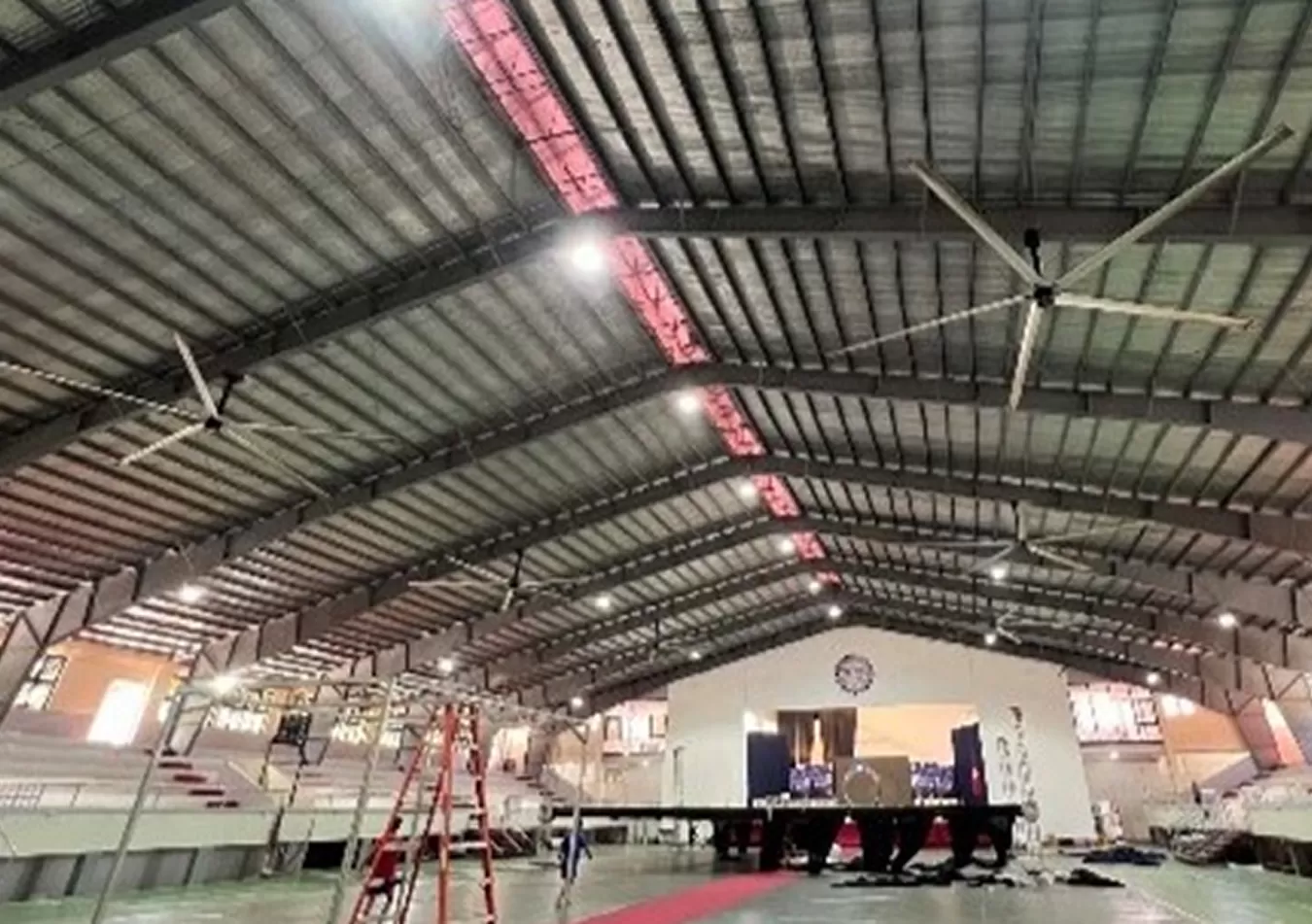
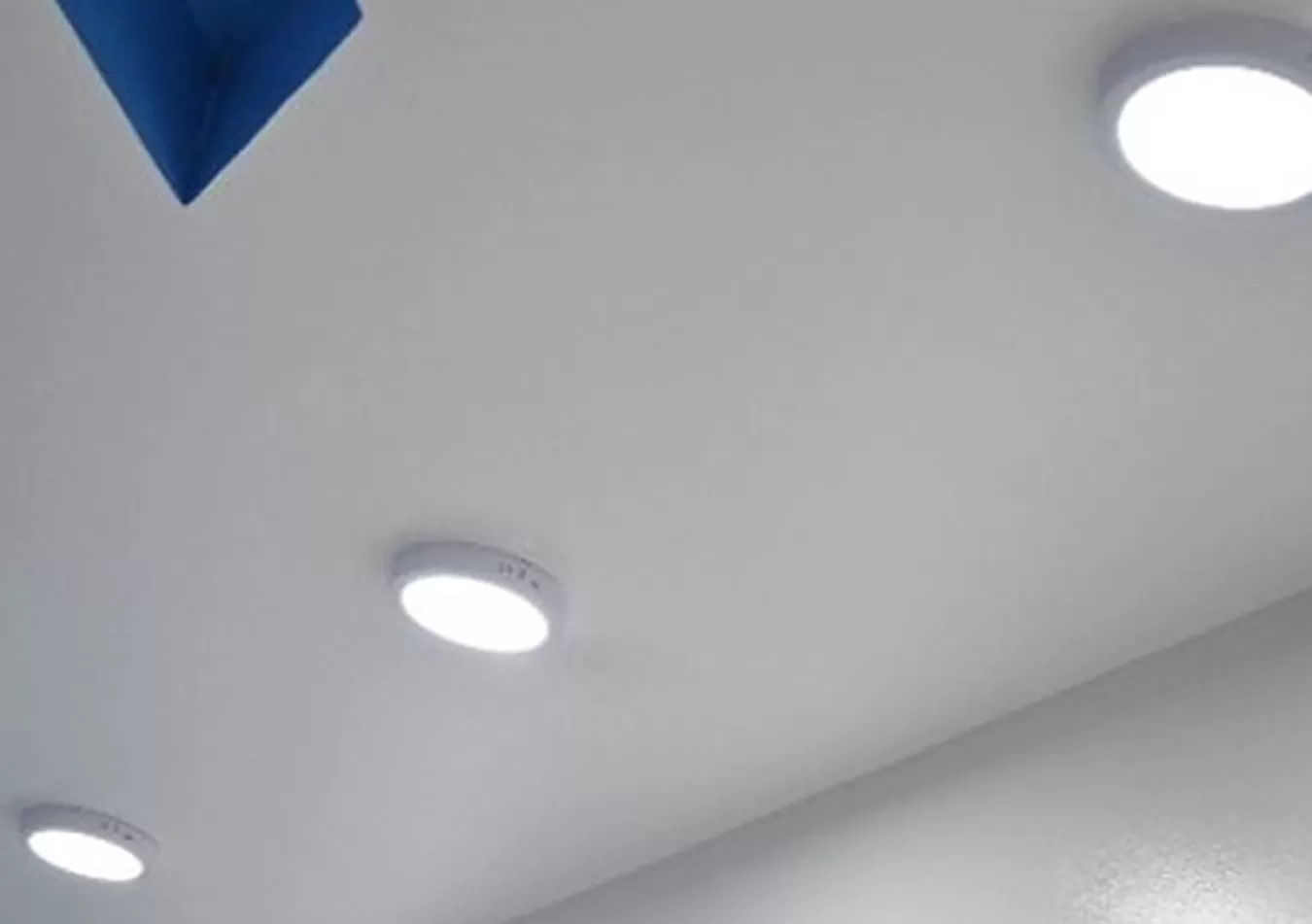
Other identified priorities included the continued transition to LED lighting, the proposed procurement of energy-efficient appliances, and the development of procedures for managing electricity demand.
These initiatives support the University's broader commitment to energy conservation and more responsible facilities management.
For new building developments, additional project-level documentation would be necessary to establish which sustainability requirements were formally incorporated into architectural designs, engineering specifications, construction activities, and completed facilities.
 |
 |
 |
Supporting responsible development and institutional sustainability
MSEUF's academic infrastructure projects and sustainability planning demonstrate complementary approaches to campus development.
The CCJC Building and the senior high school facility in San Antonio expanded available learning spaces, while the University's Sustainability Policy established priorities for improving infrastructure sustainability and energy performance.
The adoption of sustainable building practices can help institutions improve resource efficiency, reduce environmental impacts, and support the long-term performance of their facilities.
MSEUF's documented initiatives demonstrate its commitment to pursuing these objectives through institutional planning and infrastructure development.
However, verification of approved construction specifications, building code compliance, and completed sustainability measures is necessary to establish whether particular new facilities met recognized green building standards.