


Manuel S. Enverga University Foundation (MSEUF) promotes pedestrian safety, accessibility, and sustainable mobility through its network of designated walking paths, pedestrian crossings, and covered walkways across the University campus in Lucena City, Quezon.
The University's pedestrian infrastructure supports walking as a primary means of movement between campus facilities while providing safer and more convenient routes for students, faculty members, employees, and visitors.
These facilities reflect MSEUF's commitment to developing a pedestrian-friendly learning environment that promotes accessibility, environmental responsibility, and the well-being of the university community.
Prioritizing pedestrian movement across campus
MSEUF maintains an interconnected pedestrian pathway system that connects different areas of the University.
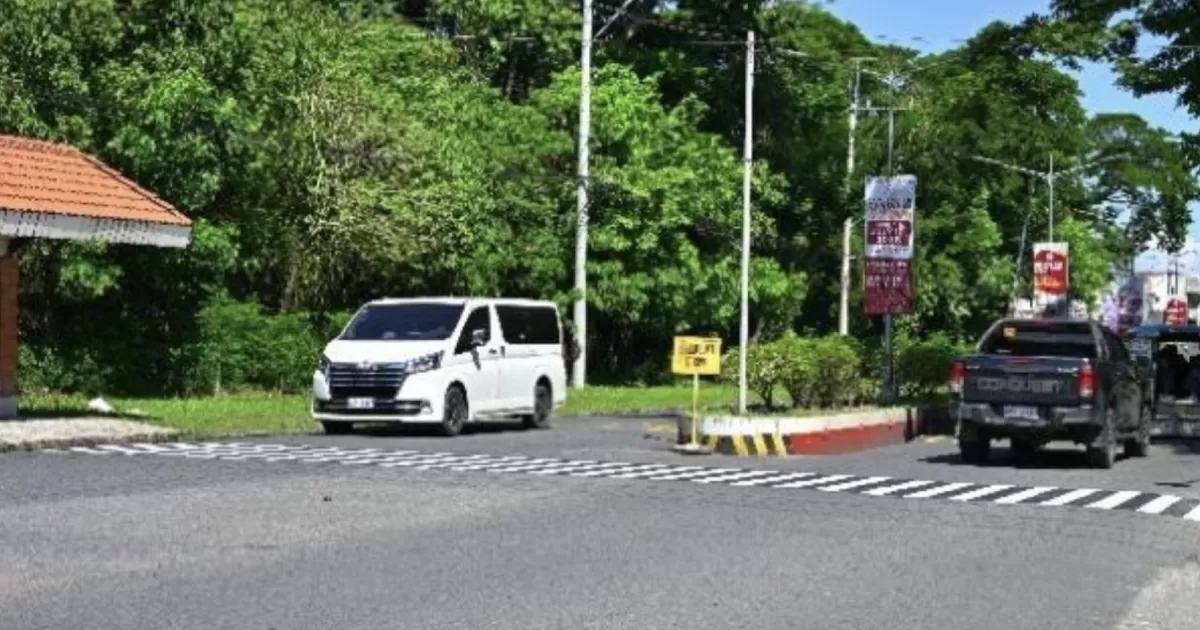
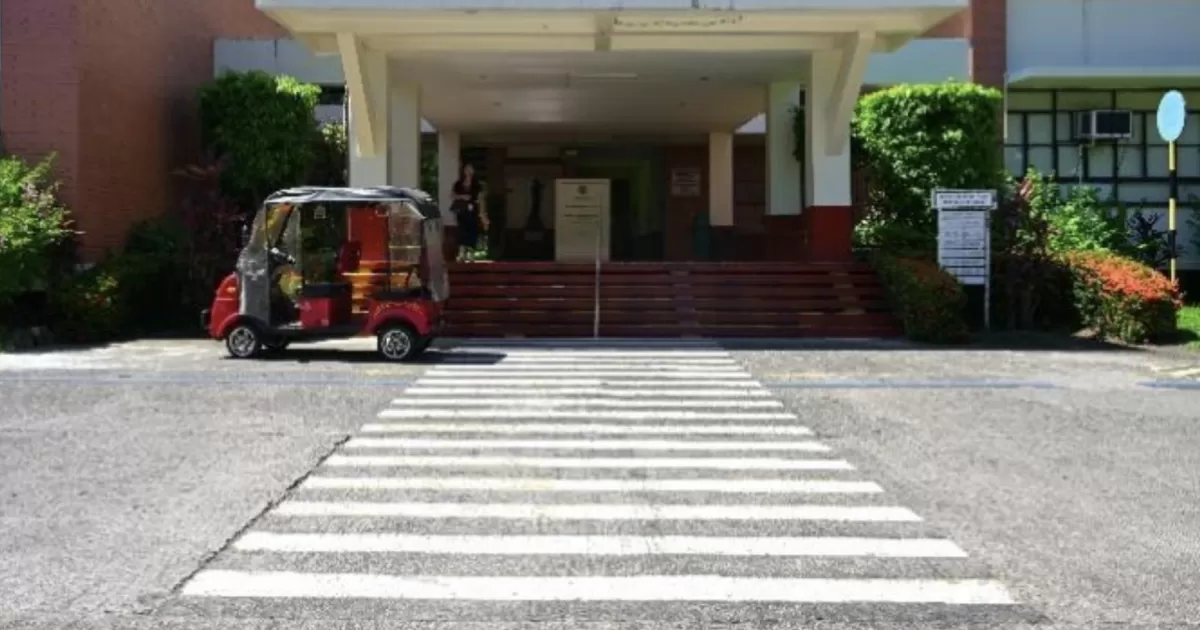
According to its Pedestrian Path Policy on Campus documentation, the campus provides designated pedestrian crossings and pathways intended to encourage walking while maintaining separation between pedestrian and vehicular movement.
The pathway system includes physical provisions separating pedestrian routes from roads used by vehicles.
These arrangements support the University's efforts to prioritize pedestrian movement and reduce potential conflicts between pedestrians and motorized transportation.
The University's photographic documentation includes marked pedestrian crossings near campus buildings, demonstrating the presence of designated walking routes.
Providing covered walkways for safer and more comfortable movement
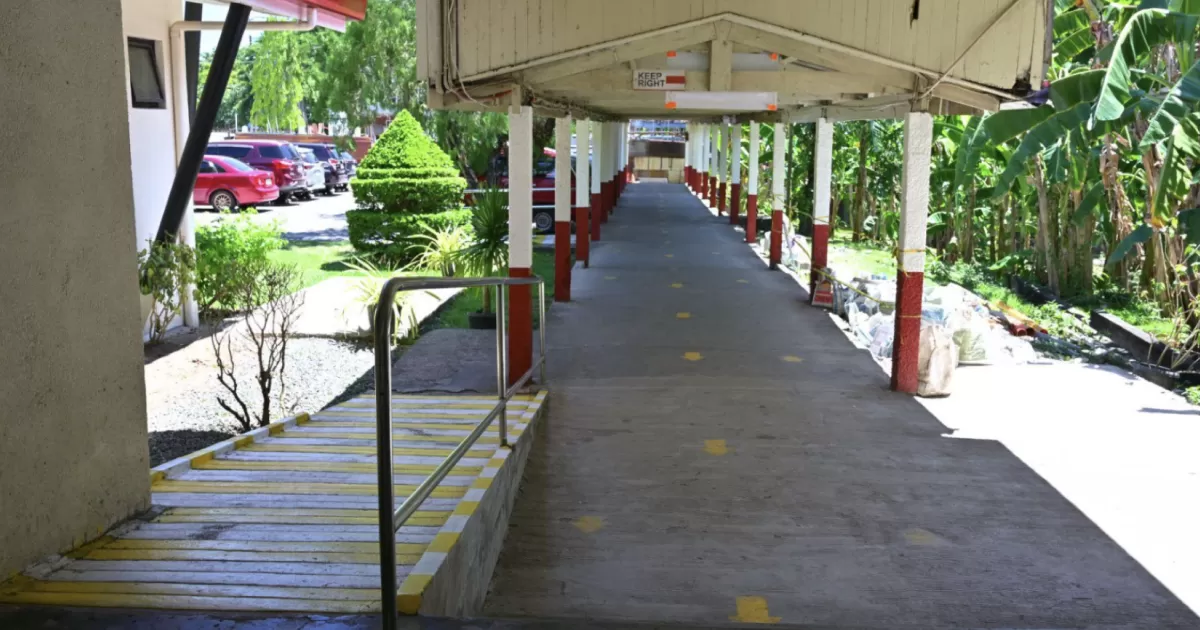
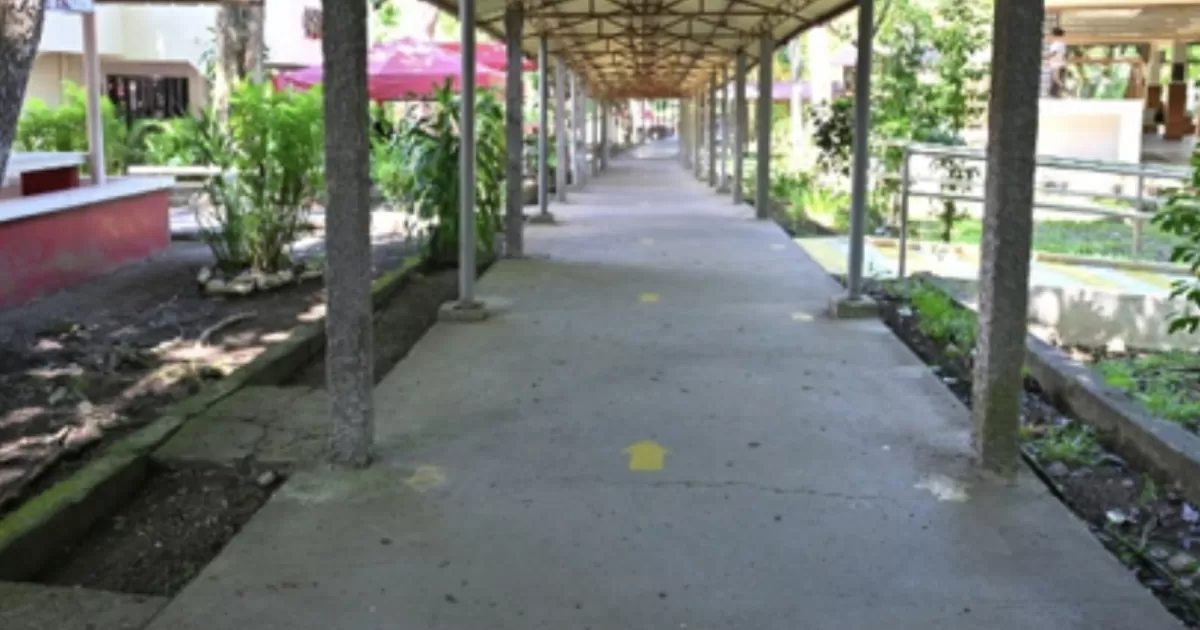
MSEUF maintains covered pedestrian walkways in different campus locations, including areas near the Administration Building and the Office of Student Affairs and Services (OSAS).
These facilities provide sheltered walking routes that help protect pedestrians from direct sunlight and rainfall.
The covered pathways also support movement between buildings and campus facilities during different weather conditions.
By providing designated and sheltered walking spaces, the University encourages walking as a convenient transportation option for short-distance travel within the campus.
Supporting accessibility for persons with disabilities
The University's pedestrian network incorporates accessibility features intended to accommodate individuals with physical disabilities.
The documented provisions include ramps and guiding blocks designed to support pedestrian mobility and navigation.
These features form part of MSEUF's efforts to create a more accessible campus environment that considers the mobility needs of different users.
By integrating accessibility provisions into its pedestrian infrastructure, the University supports inclusive movement across campus facilities.
Improving pedestrian safety through lighting and route design
MSEUF's pedestrian infrastructure also includes street lamps intended to improve visibility along walking routes at night.
Lighting provisions support pedestrian movement during evening hours and complement the University's designated pathways and crossings.
The pedestrian network also incorporates landscaping and nearby green spaces, contributing to a campus environment that encourages walking and outdoor movement.
Together, pedestrian crossings, sheltered walkways, lighting, and accessibility features provide infrastructure intended to improve walking conditions within the University.
Encouraging sustainable mobility and healthier campus practices
By maintaining pedestrian-friendly infrastructure, MSEUF promotes walking as an alternative to motorized transportation for movement between campus facilities.
The University's pathway system supports its broader approach to sustainable campus mobility by providing designated routes intended to make walking safer, more comfortable, and more accessible.
The documented integration of walking paths, landscaping, green spaces, and accessibility features reflects the University's efforts to balance campus transportation needs with environmental and community considerations.
Although pedestrian infrastructure can help reduce dependence on motorized vehicles for short-distance trips, the available documentation does not establish measurable reductions in vehicle use or transportation-related emissions.
 |
 |
 |
 |