
Manuel S. Enverga University Foundation (MSEUF) reinforces its commitment to poverty reduction, social protection, and inclusive community development through partnerships with government agencies and organizations serving vulnerable communities.
Through its Community Relations Department (CRD) and Office of Scholarship and Endowment, Job Placement and Alumni Relations (OSEJPAR), the University engages government partners in discussions and collaborative initiatives involving social welfare, livelihood development, migrant worker protection, and family support.
These engagements reflect MSEUF's commitment to connecting education, institutional resources, and community service with government programs addressing social and economic challenges.
Supporting government engagement for Pantawid Pamilyang Pilipino Program beneficiaries
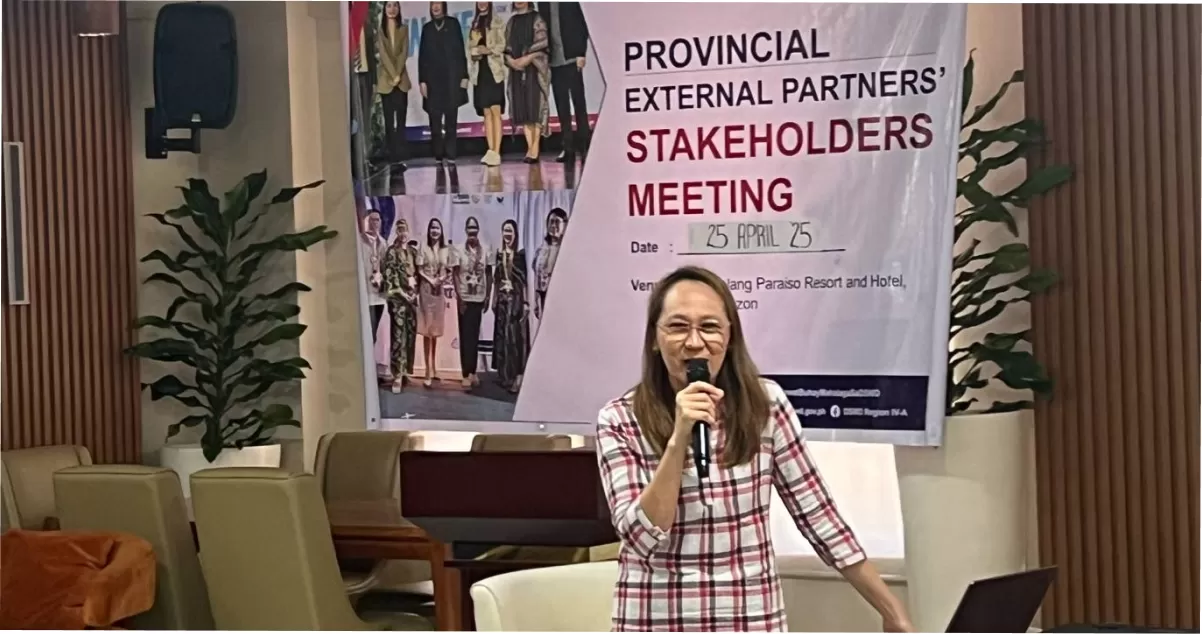
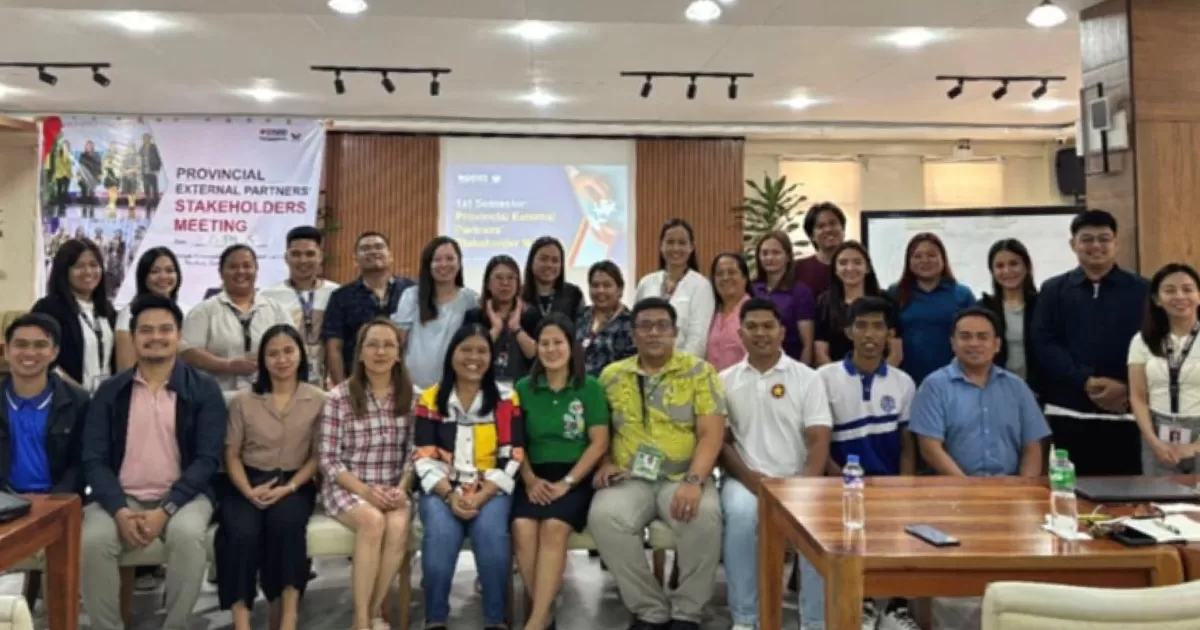
In September 2025, MSEUF documented its participation in the Second Semester Provincial Civil Society Organizations and Academe Partners Meeting, organized by the Department of Social Welfare and Development's Pantawid Pamilyang Pilipino Program (4Ps) Quezon Provincial Operations Office.
The gathering brought together civil society organizations and academic partners involved in supporting 4Ps beneficiaries in Quezon Province.
MSEUF's participation reflected the University's continuing engagement with government social protection initiatives and its commitment to supporting households participating in the 4Ps program.
The meeting provided an avenue for government and institutional partners to strengthen coordination concerning community development and the needs of program beneficiaries.
Through its involvement, MSEUF reinforced the value of collaboration among government agencies, civil society organizations, and higher education institutions in supporting socially and economically disadvantaged communities.
The documented activity establishes the University's participation in a government-convened partnership meeting. Additional records are necessary to determine whether MSEUF contributed specific recommendations to poverty-related policies or program decisions.
Strengthening collaboration on migrant worker protection and family welfare
MSEUF also pursued institutional collaboration with the Department of Migrant Workers Region IV-A through a Memorandum of Agreement concerning migrant worker welfare, education, and support services.
The 2026 partnership involved discussions between University representatives and DMW officials regarding areas of cooperation supporting overseas Filipino workers, their families, and students preparing for professional careers.
During the partnership discussions, DMW Regional Director Atty. April Casabuena explained the agency's responsibilities involving migrant worker protection, legal assistance, skills development, and reintegration programs.
The discussions also covered opportunities for MSEUF maritime students and graduates to participate in the Likhang Marino Business Plan Competition, which offers entrepreneurial mentoring and coaching opportunities.
The competition provides potential financial assistance to qualifying participants, including cash prizes and seed capital support for selected business proposals.
These opportunities form part of government efforts to strengthen economic participation and entrepreneurial development among individuals connected to the maritime sector.
Supporting education on migrant worker rights and protection
The MSEUF–DMW partnership identifies the conduct of Anti-Illegal Recruitment and Trafficking in Persons (AIR-TIP) seminars for graduating students as an area of collaboration.
These activities are intended to strengthen awareness of unlawful recruitment practices, trafficking risks, and the importance of protecting individuals seeking employment opportunities.
The agreement assigns coordination of the planned seminars to OSEJPAR.
By supporting educational activities concerning migrant worker protection, the University seeks to help students make informed decisions as they prepare for employment.
The partnership establishes the institutions' agreed areas of cooperation. Separate implementation records would be needed to confirm the activities conducted and their measurable outcomes.
Establishing support mechanisms for children of overseas Filipino workers
Another identified initiative under the MSEUF–DMW partnership is the proposed establishment of a Children of OFWs Organization within the University.
The organization is envisioned as a platform for capability-building activities, psychosocial support, counseling, and other programs beneficial to students whose parents or family members work overseas.
The Office of Student Affairs and Services (OSAS) is identified as the University office responsible for overseeing the organization's formation and management in coordination with DMW.
The initiative reflects the University's recognition of the educational and psychosocial needs of students from migrant worker families.
Through this proposed support mechanism, MSEUF aims to complement government efforts to strengthen family welfare and provide appropriate assistance to individuals affected by labor migration.
The available documentation establishes the planned organization and its intended functions, but does not confirm its formation or operational results.
Strengthening institutional cooperation for inclusive development
MSEUF's engagements with DSWD and DMW demonstrate different approaches to institutional collaboration concerning social protection and economic opportunities.
Participation in the DSWD provincial partners meeting provided an avenue for coordination with government and civil society organizations supporting 4Ps beneficiaries.
The DMW partnership established areas of cooperation concerning employment protection, entrepreneurship, skills development, and assistance for overseas Filipino workers' families.
These activities demonstrate the University's efforts to connect its academic and student support functions with government programs addressing community welfare.
While the documented engagements are relevant to poverty reduction, additional evidence is necessary to determine whether MSEUF formally participated in developing, reviewing, or implementing poverty-related government policies.
 |
 |
