OSAS strengthens campus mental health network through peer training


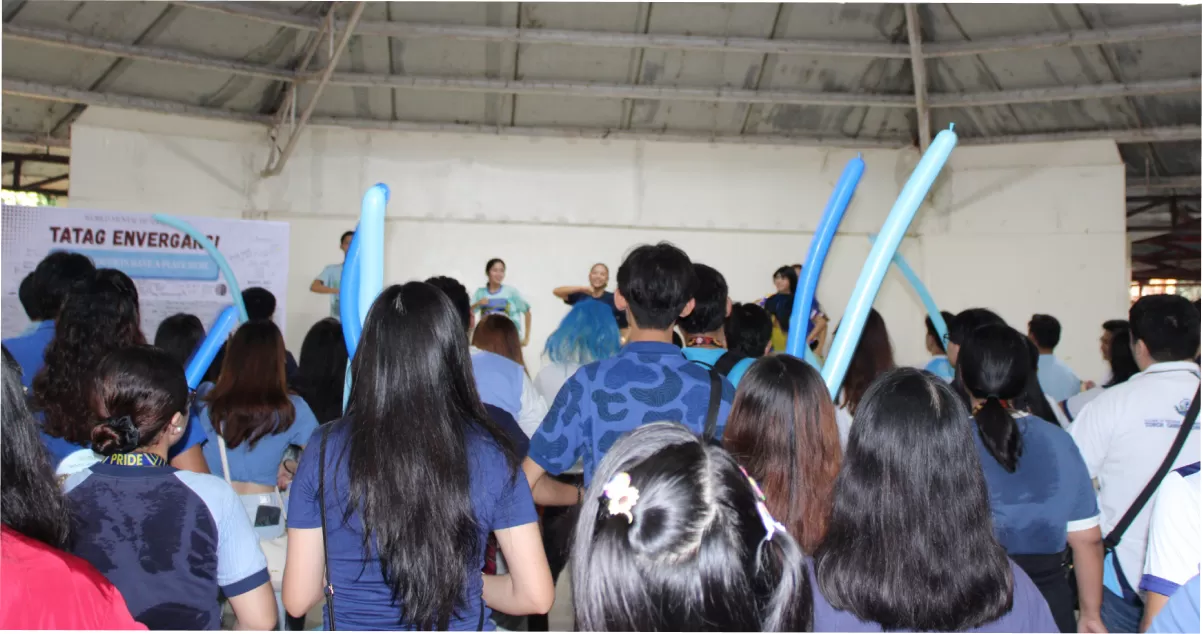
To strengthen the University’s mental health support network, the Office of Student Affairs and Services (OSAS) conducted a peer facilitators’ training program on Nov. 19 at EMRC V, CNAHS Building of Manuel S. Enverga University Foundation.
The session, titled I.C.A.R.E.: Insights, Compassion, Awareness, Resilience, and Empowerment, focused on the module “Peer First Aid: Mental Health Basics for Student Mediators.” The program aimed to equip student leaders with essential skills to provide initial emotional support and respond appropriately to peers experiencing mental and emotional challenges.
Five officers and representatives from the MSEUF Association of Multimedia Artists and Technologists joined other student leaders in the training. Participants engaged in guided discussions and practical exercises that emphasized empathetic communication, active listening, and proper referral procedures.
During the session, students practiced responding to common mental health scenarios and learned when and how to refer peers to professional help. Organizers said the training enhanced participants’ competencies in emotional first aid, preparing them to serve responsibly as student mediators within their respective organizations.
The activity forms part of OSAS’ continuing efforts to promote a supportive and mentally healthy campus environment by building an informed and compassionate peer support system.
The training supports the University’s mission of holistic and student-centered education by prioritizing students’ mental and emotional well-being alongside academic development. It reflects the core values of Mindfulness through mental health awareness, Service by empowering students to support one another, Unity through peer collaboration, and Excellence by strengthening student leadership and responsibility.
-
SDG 3: Good Health and Well-Being – By promoting mental health awareness, peer support, and early intervention within the campus community.
-
SDG 4: Quality Education – By equipping student leaders with life skills that support a safe, inclusive, and supportive learning environment.
-
SDG 16: Peace, Justice, and Strong Institutions – By fostering empathy, responsible mediation, and trust-building among students through structured support systems.