Political Science Society joins 'One World, One Meal' community extension service


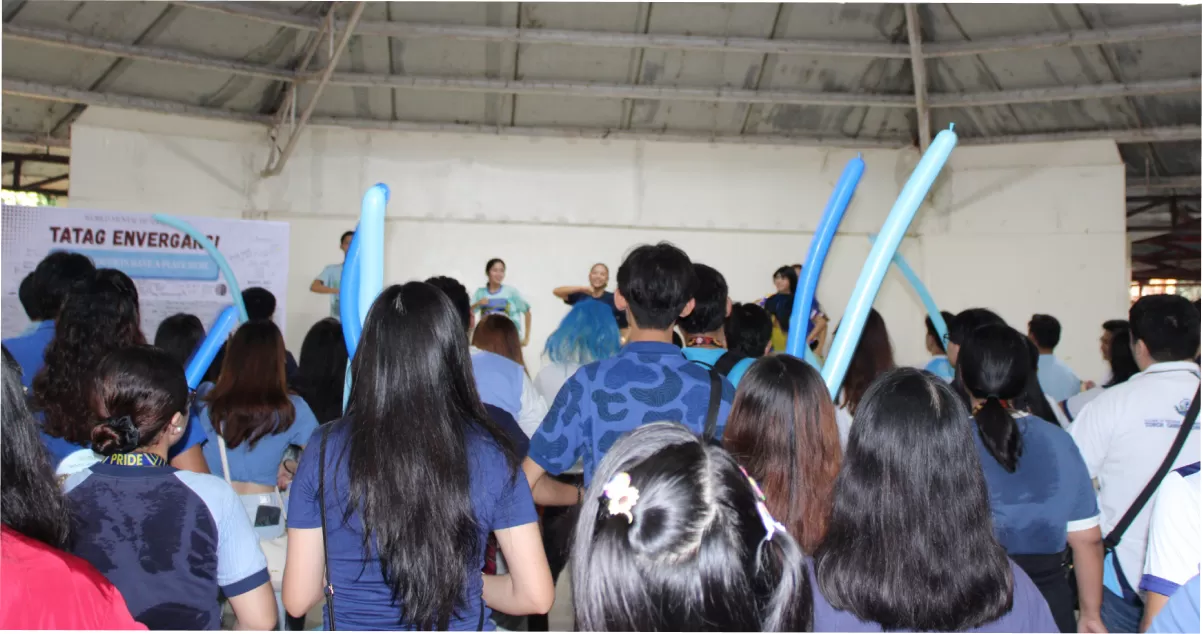
The Political Science Society of the Manuel S. Enverga University Foundation participated as a partner organization in the Community Extension Service (CES) entitled “One World, One Meal” held on March 27 at Brgy. Barra Elementary School, Lucena City, as part of the celebration of Social Sciences Week 2026.
The activity strengthened the organization’s commitment to civic engagement, social responsibility, and community service through direct outreach to young learners.
The program gathered student volunteers, university representatives, and organizers in a coordinated effort to extend assistance to Grade 1 to 3 pupils of the host school. The CES initiative aimed to promote compassion and solidarity by addressing food insecurity while fostering meaningful interaction between the University and the local community.
The Political Science Society actively supported the distribution of essential goods and participated in educational activities conducted for the pupils. In collaboration with the CAS Council of Officers, members assisted in facilitating storybook reading sessions and guided children in practicing proper hygiene habits, including handwashing, as part of the program’s holistic approach to child development.
Organizers emphasized that “One World, One Meal” is part of the University’s continuing Community Extension Service initiatives designed to promote volunteerism, social awareness, and active citizenship among students. Through their participation, members of the Political Science Society were able to apply principles of public service and civic responsibility in a hands-on community setting.
Student participants noted that the experience deepened their empathy and understanding of social realities, particularly issues related to hunger, health, and access to basic needs. The activity also reinforced their commitment to advocacies that support inclusive development and community empowerment.
The successful implementation of the CES highlighted the importance of collaboration between student organizations, faculties, and partner communities in addressing social challenges. It demonstrated how collective action can create meaningful and lasting impact for young learners.
The activity reflects the University’s core values of Service and Unity by fostering active engagement in community-centered initiatives. It also supports experiential learning by allowing students to apply classroom knowledge in real-world outreach programs that develop civic awareness and social responsibility.
- SDG 2: Zero Hunger – By helping address food insecurity through meal distribution for young learners.
- SDG 3: Good Health and Well-being – By promoting proper hygiene practices and health education.
- SDG 4: Quality Education – By supporting literacy and learning through storybook reading activities.
- SDG 17: Partnerships for the Goals – Through collaboration among student organizations, university offices, and the partner school in delivering community extension services.